


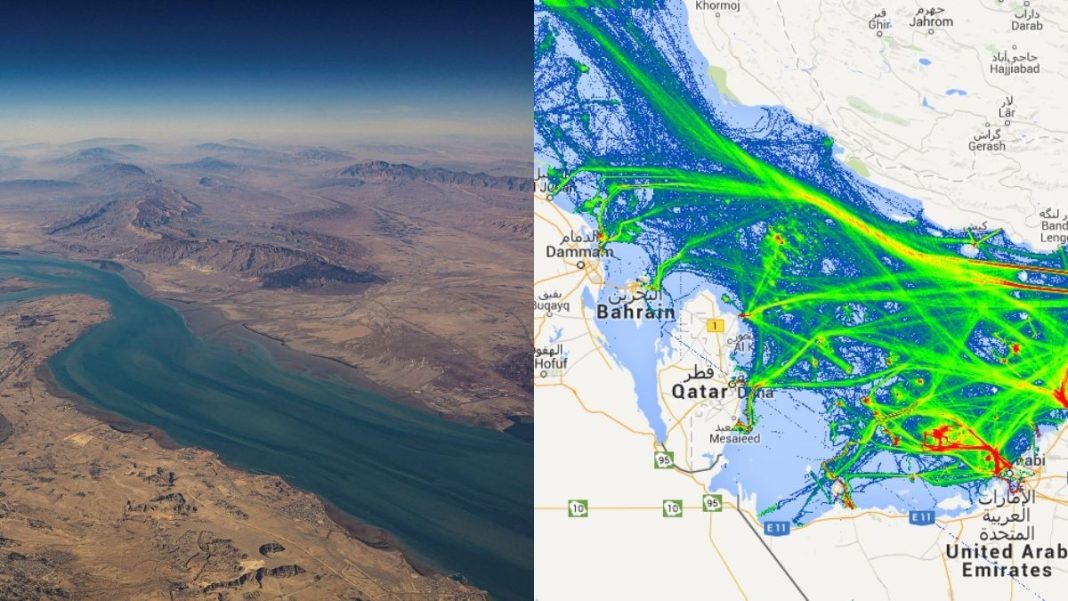
Satellite imagery has once again brought into sharp focus the intricate vulnerabilities of global supply chains. Recent observations have revealed an unusually large congregation of oil tankers at the Strait of Hormuz, the narrow but vital waterway connecting the Persian Gulf to the open ocean. This massive tanker jam, captured starkly from orbit, has raised immediate concerns across international energy markets and maritime security circles. For nations like India, heavily reliant on energy imports through this very channel, the development carries significant implications.
The Undisputed Chokepoint of Global Energy
To understand the gravity of a tanker jam in the Strait of Hormuz, one must grasp its immense strategic importance. This 39-kilometre-wide passage, bordered by Iran to the north and Oman and the UAE to the south, is arguably the world’s most critical maritime chokepoint. An astonishing approximately 20% of the world’s total petroleum consumption, along with a significant portion of global liquefied natural gas (LNG), transits through these waters daily.
It serves as the sole maritime outlet for major oil producers in the Middle East, including Saudi Arabia, Iran, Iraq, Kuwait, Qatar, and the UAE. Any disruption here has immediate and profound ripple effects on global energy prices, supply stability, and even geopolitical dynamics. For India, which imports over 80% of its crude oil needs, a substantial portion of which originates from the Gulf region, the Strait of Hormuz is nothing short of an economic lifeline. Any slowdown or blockage directly threatens India’s energy security and can have cascading effects on its economy, from industrial output to consumer prices.
Unravelling the Causes Behind the Congestion
While the exact, singular cause of such a widespread tanker jam can be multifaceted and often opaque, several factors likely contribute to the observed congestion. Analysts point to a confluence of geopolitical tensions, increased vessel traffic, and operational considerations.
Heightened Geopolitical Tensions and Security Posture
The broader region has been a hotbed of geopolitical activity. The ongoing conflict in the Red Sea, while geographically distinct, has created a general climate of heightened maritime insecurity. While many vessels have diverted from the Suez Canal route around the Cape of Good Hope, this doesn’t directly cause congestion at Hormuz unless it leads to a surge of vessels arriving from alternate routes or increased caution. However, it can contribute to a more cautious transit environment globally. Within the Strait of Hormuz itself, geopolitical tensions involving Iran and other regional players often lead to increased surveillance, naval presence, and potentially more stringent checks, which can inevitably slow down transit times for commercial shipping. Even a slight increase in precautionary manoeuvres or inspection times across a large fleet can quickly accumulate into significant delays.
Increased Vessel Traffic and Demand Dynamics
Global oil demand, spurred by post-pandemic economic recovery in many parts of the world, has seen an uptick. This naturally translates to a greater volume of tanker traffic through critical chokepoints. If the capacity of port facilities within the Gulf – for loading or offloading – does not keep pace with this surge, or if there are delays in onward journeys, vessels can accumulate at the entrance or within the Strait, awaiting their turn. Similarly, decisions by OPEC+ nations regarding oil production levels directly impact the number of vessels required to transport crude, potentially leading to bottlenecks if supply surges rapidly.
Operational Factors and Accumulation Effects
Operational factors, though less dramatic, can also play a role. Weather conditions, minor navigational incidents, or even port logistics within the Gulf countries – such as berth availability, pilot services, or bunkering schedules – can create a domino effect. When a large number of vessels are scheduled to pass through a narrow channel, even small delays can quickly compound, leading to a visible backlog. Once a jam begins to form, it often takes significant time and coordinated effort to clear, as each vessel’s movement affects others.
“The Strait of Hormuz is a delicate artery, and any constriction there sends tremors across global markets, affecting economies from New York to New Delhi,” says Dr. Rohan Sharma, a Mumbai-based energy security analyst. “For India, dependent on Gulf oil for its growth engine, such images are a stark reminder of our energy vulnerabilities and the urgent need for diversification and strategic reserves.”
Implications for India and the Global Economy
The tanker jam in the Strait of Hormuz holds considerable implications. For the global economy, it signals potential disruptions in crude oil and LNG supplies, likely leading to upward pressure on international energy prices. Shipping insurance premiums for vessels traversing the region could also increase, adding to transportation costs and ultimately affecting consumer prices worldwide.
For India, the situation is particularly acute. As one of the world’s largest crude oil importers, any delay or increase in prices at Hormuz directly impacts its import bill and fiscal health. Elevated crude prices could fuel domestic inflation, affecting everything from petrol and diesel prices to the cost of essential goods. Furthermore, prolonged disruptions could necessitate tapping into strategic petroleum reserves, a measure reserved for severe emergencies. India’s efforts to diversify its energy sources and strengthen its strategic reserves are underscored by such events, highlighting the nation’s continuous need for resilient supply chains.
Conclusion
The satellite images revealing a massive tanker jam in the Strait of Hormuz serve as a potent visual metaphor for the fragile interconnectedness of the global energy landscape. While the precise blend of causes remains under scrutiny, it is clear that a combination of heightened geopolitical sensitivities, evolving demand-supply dynamics, and operational realities can swiftly transform a vital artery into a bottleneck. For India and the world, this event is a crucial reminder of the imperative to ensure stability and security in international maritime trade routes, safeguarding not just energy supplies but also broader economic prosperity.

