


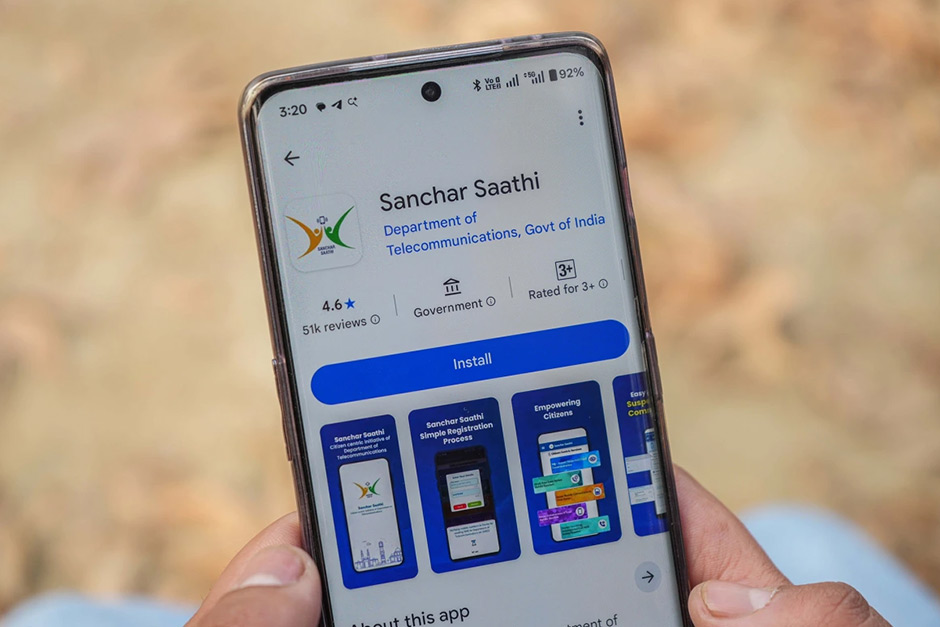
In a significant pivot that highlights the complex dance between digital security and user autonomy, India’s government has reportedly backed down from its initial plan to mandate the pre-installation of its cyber safety application, Sanchar Saathi, on all new smartphones. This reversal marks a crucial moment for digital policy in the nation, reflecting a nuanced understanding of public sentiment and industry concerns.
The Sanchar Saathi platform, developed by the Department of Telecommunications (DoT), was conceived with laudable goals: to empower citizens against cyber fraud, help trace lost or stolen mobile phones, and provide tools to report spam and unsolicited communication. Its ambition was clear – to create a safer digital environment for millions of Indian smartphone users. However, the proposed method of achieving this, through compulsory pre-installation, quickly ignited a fervent debate across various fronts.
The Vision: A Fortress of Digital Safety
At its core, Sanchar Saathi represents a forward-thinking attempt to tackle the burgeoning wave of cybercrime and mobile-related fraud in India. With the nation’s rapid digital adoption, come inherent risks. Scam calls, phishing attempts, identity theft, and the proliferation of fake SIM cards are daily threats. The app’s features, like checking SIM connections in one’s name, blocking lost phones, and reporting fraud numbers, offered a centralized, government-backed solution designed to equip the average user with defensive tools.
The intent was undoubtedly to build a digital safety net, particularly for those less digitally savvy, providing an accessible first line of defense against increasingly sophisticated online threats. In a landscape where digital literacy varies widely, a pre-installed, ubiquitous app could have seemed like an effective way to ensure broad protection.
The Echo Chamber of Concerns: Privacy, Bloatware, and Choice
While the goal of enhanced cyber safety was universally appreciated, the mandate for pre-installation quickly stirred a hornet’s nest of opposition. Consumer advocates, privacy rights groups, and smartphone manufacturers alike voiced strong objections. The primary concerns revolved around several key areas:
- Bloatware: Users often resent pre-installed applications that they haven’t chosen, perceiving them as “bloatware” that consumes storage, memory, and even battery life without providing desired utility. The idea of a mandatory government app, regardless of its purpose, struck many as an infringement on their control over their own devices.
- Privacy Implications: Any government-mandated application naturally raises questions about data collection, usage, and potential surveillance. While Sanchar Saathi’s stated functions are transparent, the concept of a state-installed app on every device ignited fears among privacy-conscious individuals about the scope of government access and control over personal data.
- Industry Burden: Smartphone manufacturers faced the logistical and technical challenges of integrating a specific application into their diverse product lines, potentially impacting their software customization and update cycles. The global nature of many manufacturers also meant navigating differing regulatory landscapes.
- User Choice: Perhaps the most significant argument centered on the principle of user autonomy. In a democratic digital space, the ability to choose what software resides on one’s personal device is a fundamental expectation. Mandating installation, even for a benevolent purpose, felt to many like an overreach. “Mandating pre-installation often feels less like protection and more like an intrusion,” observes one cybersecurity analyst, speaking on the condition of anonymity. “While the intent might be good, user trust is paramount, and that’s built on choice, not coercion.”
A Nod to User Autonomy: The Reversal’s Implications
The decision to back down from mandating Sanchar Saathi’s pre-installation is a testament to the power of collective feedback and a responsive governance approach. It signals that the Indian government is attentive to concerns regarding privacy, consumer choice, and the practicalities faced by the industry.
This reversal is a significant win for user autonomy and aligns India more closely with global practices that emphasize voluntary adoption of security tools. It places the onus back on informed choice and effective awareness campaigns to promote the app. Sanchar Saathi will likely continue to be promoted through various channels, encouraging voluntary downloads and educating citizens about its benefits, allowing users to decide if and when they want to install it.
Conclusion
The Sanchar Saathi saga serves as a compelling case study in balancing national security objectives with individual rights in the digital age. While the goal of a safer digital India remains paramount, the path chosen to achieve it must resonate with the principles of user choice and privacy. The government’s decision to forgo mandatory pre-installation demonstrates a mature understanding of these complex dynamics, preferring persuasion over prescription. This pivot reflects a healthy evolution in India’s digital policy, where collaboration and consent are increasingly recognized as vital components in building a truly secure and trusted online ecosystem.

