


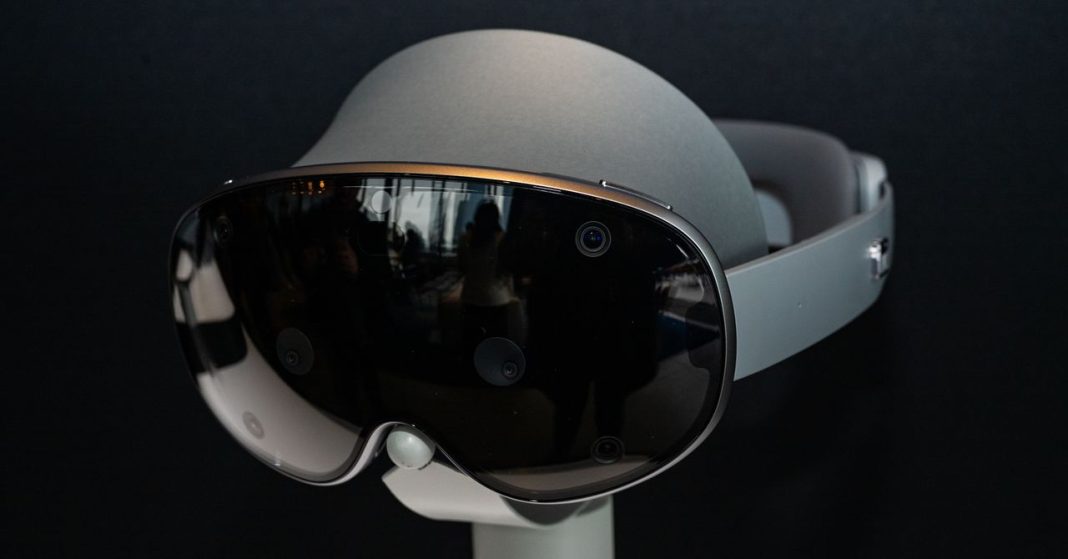
The burgeoning world of extended reality (XR) just got a whole lot more interesting, and perhaps, a lot more accessible. While Apple planted its flag firmly in the ultra-premium segment with the Vision Pro, a new challenger from Samsung appears ready to carve out a different path. The revelation that Samsung’s anticipated Galaxy XR headset could cost a staggering $1,700 less than its Cupertino counterpart isn’t just a pricing detail; it’s a potential tremor through the foundational strategy of the entire XR market.
The Price Point Heard ‘Round the XR World
Let’s be direct: a $1,700 price difference isn’t a minor adjustment; it’s a seismic gap. Apple’s Vision Pro arrived with a price tag that positioned it as an aspirational, professional-grade spatial computer, clearly targeting early adopters with deep pockets or enterprise use cases. Samsung, by contrast, seems to be setting its sights on a significantly broader demographic from day one. This aggressive pricing strategy suggests a clear intent to democratize XR, pushing it closer to mainstream consumer adoption.
For many, the Vision Pro’s cost has been the primary barrier to entry, relegating it to the realm of novelty for most consumers. Samsung’s move immediately shifts the conversation. Suddenly, an XR headset becomes less of a luxury curiosity and more of a high-end consumer electronic, potentially alongside premium smartphones or high-end laptops. “This isn’t just about price; it’s about Samsung betting on wider adoption from the get-go, challenging Apple’s premium, niche approach,” notes prominent tech analyst, Alex Chen. This isn’t just about undercutting; it’s about fundamentally altering the addressable market.
Strategic Play or Feature Compromise?
The immediate question arises: what accounts for such a substantial price discrepancy? Is Samsung making a strategic play for market share, or does the lower price point signal a significant difference in feature sets, build quality, or technological ambition? It’s likely a combination of both.
Apple’s Vision Pro is an engineering marvel, boasting advanced micro-OLED displays, a powerful R1 chip dedicated to processing sensory input, and an intricately designed pass-through system that aims for unparalleled fidelity. These components inherently drive up costs. Samsung, while known for its premium components, might be opting for a more streamlined approach. Perhaps their Galaxy XR headset will focus on a more specific set of use cases – gaming, media consumption, and social interaction – rather than attempting to be a “spatial computer” capable of replacing traditional displays for productivity. By focusing efforts, they could optimize for cost without necessarily compromising the core XR experience they intend to deliver.
This is a classic tech industry showdown: the premium, no-compromise approach versus the value-driven strategy designed to capture a larger segment of the market. Samsung’s existing ecosystem, deeply embedded in Android, SmartThings, and a vast array of consumer electronics, also positions them well to integrate a more accessible XR device into daily life, potentially leveraging existing hardware and software strengths to reduce per-unit costs.
Conclusion
The reported pricing of Samsung’s Galaxy XR headset fundamentally redefines the initial battle lines in the consumer XR space. While Apple’s Vision Pro aims to define the ultimate premium XR experience, Samsung appears poised to define the accessible premium experience. This isn’t just a war of specifications; it’s a strategic chess match over market entry, user adoption, and ultimately, who gets to shape the future of extended reality for the masses. The consumer, standing at the precipice of this new frontier, now has a starker choice, and that choice could dictate the trajectory of XR for years to come.

