


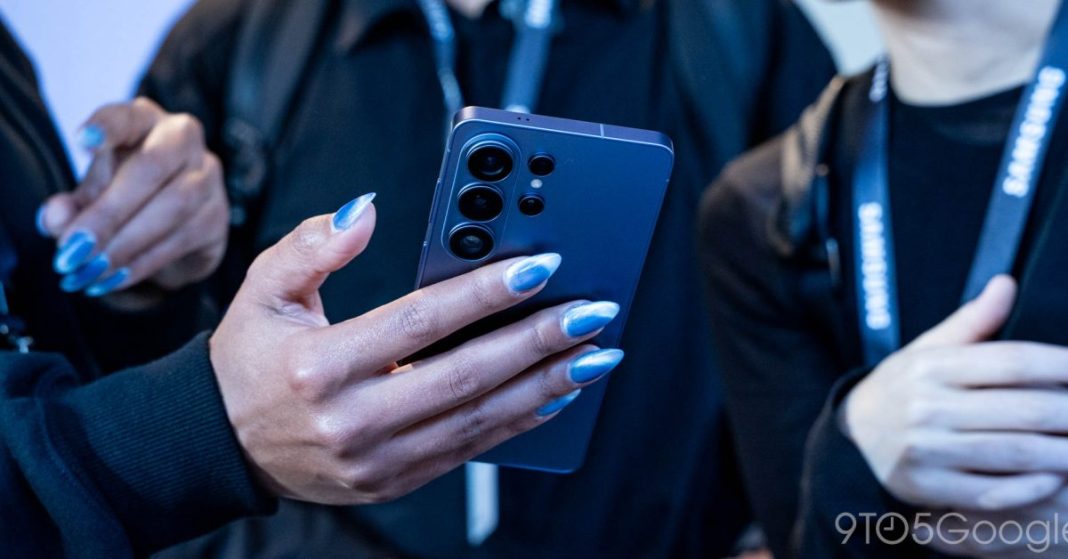
The smartphone landscape is in a constant state of evolution, with Artificial Intelligence (AI) now at the forefront of innovation. For users in India and globally, features powered by AI are no longer a novelty but an expectation, shaping how we interact with our devices. Two giants, Google and Samsung, have been leading this charge, each vying for supremacy in the burgeoning AI-powered smartphone market. Recent whispers and industry speculation, however, suggest that Samsung might be looking to Google’s playbook, particularly the Pixel’s acclaimed AI capabilities, for its upcoming Galaxy S26 series.
As Samsung gears up for its next flagship iteration, the buzz around the Galaxy S26 and its enhanced Galaxy AI suite is palpable. While Samsung has undeniably made significant strides with its own AI offerings, reports hint at a strategic move to integrate or replicate some of Google Pixel’s most beloved and distinctive AI features. This potential convergence could redefine user experience and intensify the already fierce competition in the premium smartphone segment, offering Indian consumers a richer, more integrated AI experience.
The AI Arms Race: Google Pixel’s Head Start and Samsung’s Catch-Up
For several years, Google Pixel smartphones have been synonymous with cutting-edge on-device AI. Features like Magic Eraser, which effortlessly removes unwanted objects from photos, Call Screen, which filters spam calls, and more recently, the transformative Circle to Search, have set a high bar. These innovations, deeply integrated into the Android experience, often leverage Google’s proprietary Tensor chips, giving the Pixel a unique edge in computational photography and real-time processing.
Samsung, with its immense market presence, especially in India, entered the dedicated smartphone AI arena with significant force with the Galaxy S24 series and its comprehensive Galaxy AI suite. Features such as Live Translate, Transcript Assist, and advanced photo editing tools like Generative Edit demonstrated Samsung’s ambition to offer a powerful, on-device AI experience. However, the sheer breadth and seamlessness of some Pixel AI features have remained a benchmark, prompting speculation about Samsung’s future strategy.
Unpacking the “Cloning” Claims for Galaxy AI on S26
The term “cloning” might sound stark, but in the fast-paced tech world, it often refers to adopting successful features and re-imagining them for one’s own ecosystem. For the upcoming Galaxy S26, industry insiders and leakers suggest Samsung is actively exploring ways to bring Pixel-esque AI functionalities into its Galaxy AI suite. This isn’t just about superficial replication but about integrating core utility that users have come to appreciate on Pixel devices.
Among the speculated features are enhanced photo and video editing capabilities that go beyond current generative fill, perhaps towards more precise object manipulation and contextual enhancements similar to Pixel’s computational photography prowess. There’s also talk of more intuitive and proactive AI assistance for daily tasks, potentially mirroring Pixel’s ability to offer timely information or summaries without explicit prompts. Furthermore, advancements in AI-powered communication tools, offering more natural language processing for messages and calls, are also on the cards.
One analyst, speaking on the condition of anonymity, noted, “In a market where user experience is paramount, feature convergence is inevitable. Samsung’s move, if true, isn’t just about copying; it’s about acknowledging what resonates with users and then putting their own powerful spin on it within the Galaxy ecosystem. For the Indian consumer, this means having access to the best of AI innovation, regardless of brand.” This trend highlights how fierce the competition for AI dominance truly is, pushing manufacturers to continuously innovate or adapt.
Implications for the Indian Smartphone Market
For the Indian smartphone consumer, this trend is overwhelmingly positive. Samsung holds a dominant position in the premium segment in India, and the prospect of its S26 models offering AI features previously exclusive to Pixel devices could be a significant draw. It means access to cutting-edge technology without the need to switch ecosystems or brands, offering a more complete and sophisticated smartphone experience within the familiar Galaxy environment.
The potential integration of these AI features into the Galaxy S26 could further solidify Samsung’s appeal, especially among users who value advanced computational photography and smart assistants. As AI becomes more integral to daily smartphone use, manufacturers that can deliver the most seamless, powerful, and diverse AI tools will undoubtedly capture the lion’s share of consumer interest. The S26, with its potentially expanded Galaxy AI, could therefore set a new benchmark for what Indian consumers expect from their high-end devices.
Ultimately, whether it’s “cloning” or “inspiration,” the blurring lines in AI features between Google Pixel and Samsung Galaxy devices signal a win for consumers. As the race to integrate more intelligent and intuitive AI continues, we can expect future smartphones to be even more capable, personal, and indispensable companions in our increasingly digital lives.

