


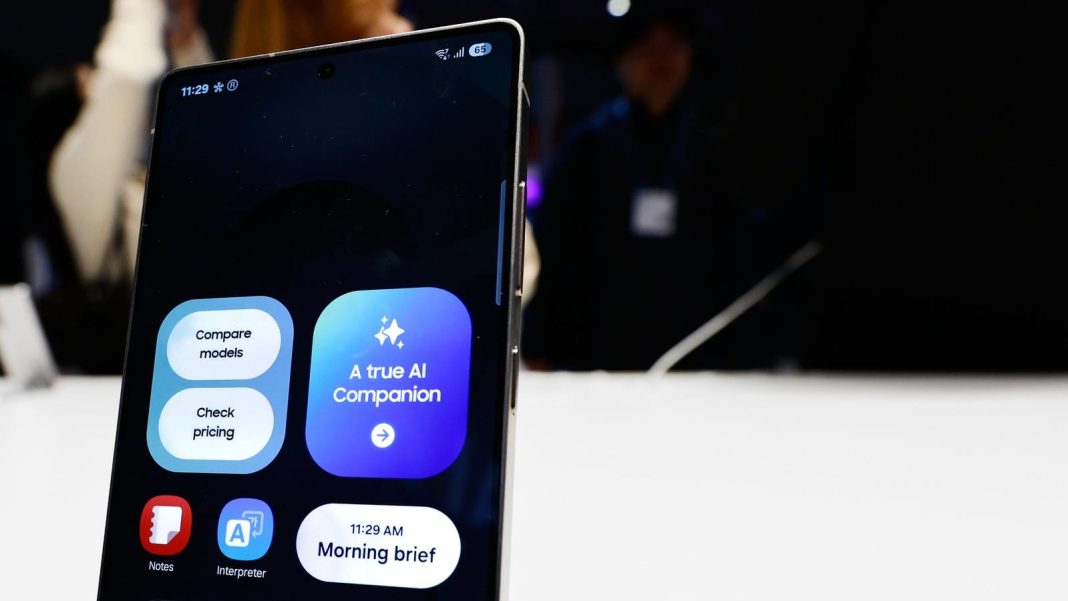
The digital landscape is constantly evolving, with users increasingly seeking flexibility and control over their experiences. In the wake of recent discussions and user preferences regarding digital communication services, Samsung has reportedly taken steps to empower its Android user base by broadening the array of options available for managing their daily digital interactions, particularly concerning email and associated services.
Navigating the Evolving Digital Ecosystem
For many Android users, Google’s suite of services, including Gmail, has become a foundational element of their digital lives. However, the desire for choice and diversification within the app ecosystem is a growing trend. Whether it stems from a preference for different interfaces, specific feature sets, or simply the wish to avoid relying too heavily on a single provider, users are actively exploring alternatives. Android, being an open platform, inherently allows for such exploration, and device manufacturers play a crucial role in facilitating these choices.
This evolving user perspective highlights a shift towards a more modular digital experience, where different services can be mixed and matched according to individual needs. Samsung’s recent initiatives appear to align with this sentiment, acknowledging that while many users are content with their existing setups, a significant segment appreciates having more robust built-in alternatives or easier pathways to integrate non-Google services.
Samsung’s Proactive Approach to User Choice
Samsung’s strategy revolves around enhancing the native options available on its Galaxy devices and improving integration with a wider spectrum of third-party services. This move isn’t about replacing popular applications, but rather about strengthening the alternatives and ensuring that users have a seamless experience should they choose a different path. For instance, the
Furthermore, Samsung is reportedly streamlining the process for users to connect and manage various email accounts and cloud services directly within their devices’ settings and native applications, such as the calendar and contacts. This ensures that even if a user prefers a non-Google email provider, their important communications and scheduling remain well-integrated into their phone’s core functions. “Providing users with genuine alternatives isn’t just about competition; it’s about empowering them to choose the tools that best fit their workflow and privacy preferences,” notes tech analyst Maya Chen, highlighting the user-centric benefits of such strategies.
This focus on choice extends beyond just email. By refining its own ecosystem of apps and improving interoperability with a broader range of third-party services, Samsung is subtly reinforcing the idea that a comprehensive Android experience doesn’t have to be monolithic. Users can, more easily than before, construct a digital environment that feels truly personalized to their needs, blending different services into a cohesive whole.
A Broader Perspective on Digital Autonomy
Ultimately, Samsung’s efforts represent a broader industry trend toward giving users greater digital autonomy. By providing more prominent and refined options within its Android devices, the company is responding to a growing demand for flexibility. This approach benefits users by offering them greater control over their data, communication preferences, and overall digital experience. It also underscores the vibrant and competitive nature of the Android ecosystem, where innovation continues to foster diverse choices for consumers.
The emphasis on enhancing built-in alternatives and improving integration signals a commitment to user empowerment, allowing individuals to tailor their smartphone experience to a higher degree. As digital interactions become increasingly central to our lives, the availability of robust choices will undoubtedly remain a key factor for users worldwide.

