


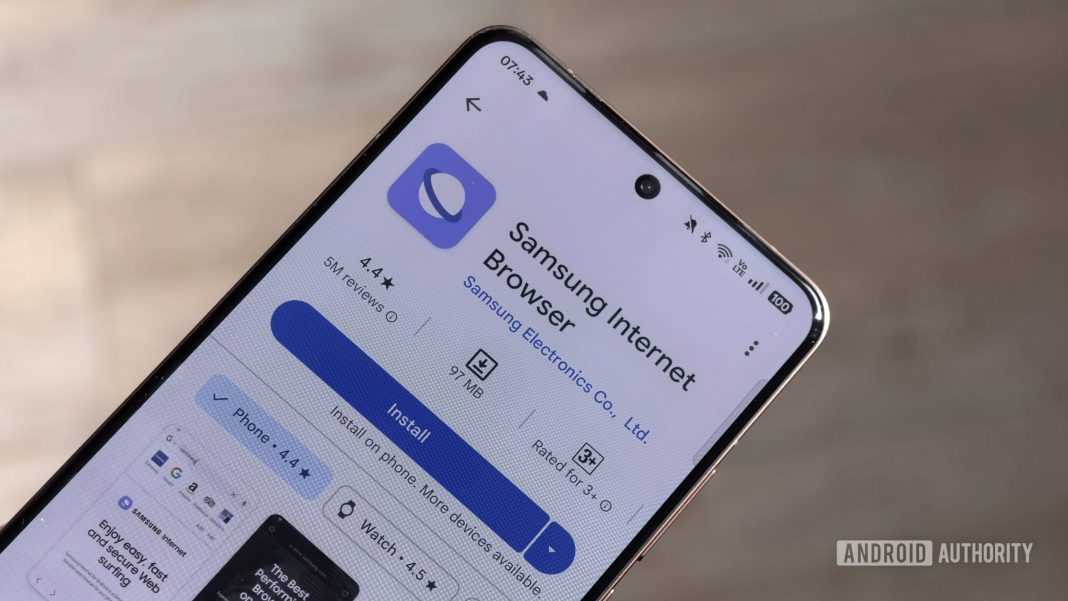
The digital landscape for Windows users is witnessing an intriguing new development. Samsung, a household name in India for everything from smartphones to washing machines, has officially launched its proprietary browser for Windows. Known as Samsung Internet, this desktop iteration seeks to leverage the brand’s immense popularity and existing ecosystem to carve out a significant niche, directly challenging the ubiquitous Google Chrome.
For years, Samsung Internet has been a preferred choice for many Android users, celebrated for its speed, privacy features, and intuitive interface. Its arrival on Windows isn’t just a simple port; it signals Samsung’s strategic intent to create a more integrated experience across its vast array of devices, hoping to entice users away from their current browser defaults.
A Familiar Face on a New Platform: Samsung Internet for Windows Arrives
Samsung Internet’s journey to Windows began with a quiet rollout, initially available primarily for owners of Samsung Galaxy Book laptops. However, it has now expanded its availability to the wider Windows user base through the Microsoft Store, marking its official entry into the highly competitive desktop browser market. This expansion is a calculated move, acknowledging the vast number of Windows users who also own Samsung smartphones or tablets.
Built on the Chromium engine, much like Google Chrome, Microsoft Edge, and several other popular browsers, Samsung Internet for Windows promises a familiar web browsing experience in terms of compatibility and performance. This Chromium foundation ensures that users won’t face rendering issues with websites designed for mainstream browsers, a crucial factor for adoption. The key differentiator, however, lies in Samsung’s deep integration capabilities and user-centric features, which have long been a hallmark of its mobile counterpart. In a market as diverse and tech-savvy as India, where Samsung enjoys significant market share in mobile, this move could resonate strongly with a large existing user base already invested in the Samsung ecosystem.
Seamless Ecosystem Integration: The Chrome Challenger’s Main Weapon
The core proposition of Samsung Internet for Windows, and its most compelling argument against Chrome, is its promise of seamless cross-device synchronization. For the millions of Indians who use a Samsung Galaxy smartphone or tablet, the ability to instantly sync bookmarks, browsing history, saved pages, and even open tabs between their mobile device and their Windows PC is a powerful draw. Imagine starting an article on your Galaxy phone during your commute and effortlessly picking up exactly where you left off on your Windows laptop at home or work – this is the convenience Samsung is selling.
Beyond synchronization, Samsung Internet brings its signature privacy and security features to the desktop. Users can expect advanced
“This move by Samsung isn’t just about offering another browser; it’s about extending their ecosystem’s convenience and security to the desktop,” notes a Mumbai-based tech analyst. “For existing Samsung users in India, the promise of seamless continuity across their devices could be a significant draw, potentially making them reconsider their default browser choice.”
What This Means for the Indian User and the Browser Landscape
In India, Google Chrome currently dominates the desktop browser market by a substantial margin. Any new entrant faces an uphill battle against Chrome’s entrenched position and Google’s powerful suite of integrated services. However, Samsung Internet for Windows has a unique advantage: Samsung’s massive and loyal customer base in the country. Many Indian households are already heavily invested in Samsung’s product ecosystem, from phones and TVs to wearables and home appliances. For these users, the value proposition of a unified browsing experience could outweigh the inertia of sticking with Chrome.
While replacing Chrome entirely might be an ambitious goal, Samsung Internet has a strong potential to become the primary browser for users who prioritize ecosystem integration and privacy. Its arrival signals a growing trend where device manufacturers are increasingly looking to own more of the user experience, extending their software and services across platforms. For the Indian user, this means more choice and potentially more tailored browsing experiences, especially if they are deeply embedded in the Samsung universe. The competition can only lead to innovation, pushing all browser developers to offer better features, performance, and privacy protections.
The official launch of Samsung Internet for Windows is a significant development. While only time will tell how much market share it can truly capture from the behemoth that is Chrome, its strategic focus on ecosystem integration and user-centric features positions it as a compelling alternative, particularly for Samsung’s vast customer base in India and globally.

