


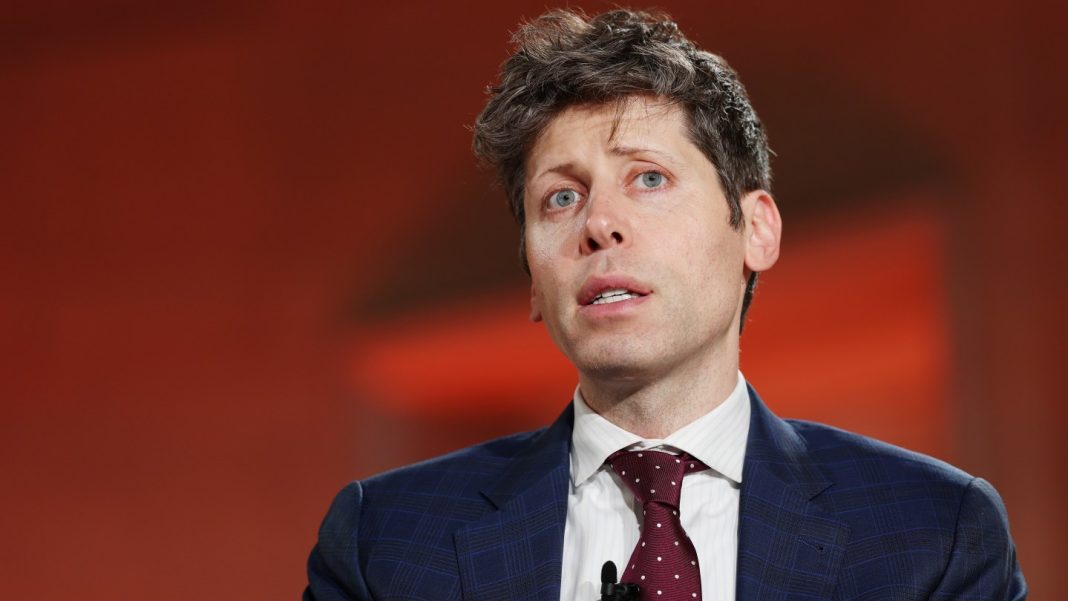
The world of artificial intelligence, particularly its leading figures and organizations, often finds itself under intense scrutiny. Recently, Sam Altman, CEO of OpenAI, stepped into the limelight once more, directly addressing a provocative anecdote from a prominent media report. His comments have sparked further discussion, offering insight into the internal history and strategic evolution of the company that brought us ChatGPT.
The ‘Molotov Cocktail’ Anecdote and Its Unpacking
The genesis of the current conversation lies in a comprehensive report published by The New Yorker. This piece delved into the complex origins and ideological shifts within OpenAI, charting its journey from a non-profit research lab dedicated to safe AI development to a commercial powerhouse. Among several revealing anecdotes, one particular phrase stood out, capturing significant attention: the “Molotov cocktail” comment, reportedly uttered by Altman during the company’s nascent stages.
This phrase was presented in the context of early discussions surrounding OpenAI’s path forward, particularly the tension between its foundational commitment to open science and safety, and the pragmatic need for commercial viability to fund its ambitious research. The metaphorical “Molotov cocktail” seemed to imply a willingness to disrupt, to perhaps even incinerate certain traditional approaches or internal reservations, in pursuit of a grander vision for AI development and deployment. For many readers, it painted a picture of audacious, high-stakes decision-making at the heart of the burgeoning AI giant.
Altman’s Confirmation and His “Incendiary” Take
In a move that underscores a commitment to transparency, Sam Altman publicly confirmed that the “Molotov cocktail” comment was indeed made. His acknowledgment put to rest speculation about the veracity of the anecdote itself. However, while confirming the literal statement, Altman also provided crucial nuance to its interpretation and the broader narrative presented in the report. He characterized elements of The New Yorker‘s reporting as “incendiary,” indicating a disagreement with the way certain events or comments were framed and the emotional impact they were designed to have.
Altman’s choice of the word “incendiary” suggests that while the words themselves might have been accurate, their presentation lacked critical context or perhaps overemphasized certain dramatic aspects at the expense of a fuller, more balanced picture. It highlights the often-fraught relationship between high-profile tech leaders and investigative journalism, where intent, tone, and long-term consequences are constantly being interpreted. “Leadership often employs provocative language to underscore critical strategic junctures, particularly in the high-stakes world of AI development,” remarked an industry observer. “The interpretation of such remarks, particularly years later and out of their immediate operational context, can vary widely based on perspective and agenda.” Altman’s response seems to be an effort to reclaim or reframe that perspective, emphasizing that internal dialogues, even those using vivid metaphors, are part of a complex strategic process rather than a literal call to recklessness.
Navigating Narratives in the AI Age
The confirmation and subsequent clarification by Sam Altman serve as a valuable window into the ongoing challenges of narrating the history and future of influential AI organizations. As companies like OpenAI continue to shape our technological landscape, public understanding of their internal dynamics, ethical considerations, and strategic decisions becomes paramount. Altman’s direct address to the “Molotov cocktail” anecdote, while acknowledging its existence, also subtly redirects the conversation toward a more nuanced appreciation of the pressures and philosophies that drive such innovation. It underscores the continuous dialogue between an organization’s internal reality and its external perception, a dialogue that is only set to intensify as AI’s impact grows.

