


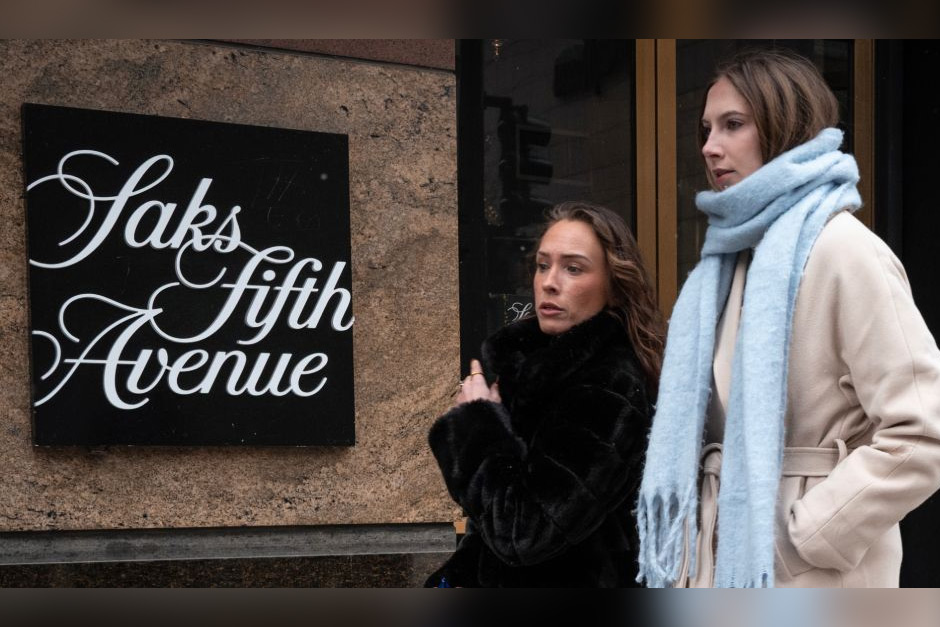
Imagine the anticipation of finally deciding on that perfect luxury item – the exquisite handbag, the designer dress for a special occasion, or the must-have accessory that completes your vision. Now imagine stepping into a venerable luxury retailer, or clicking through their polished website, only to be met with a consistent and dispiriting message: “Out of Stock.” This isn’t just an occasional hiccup; for Saks, a name synonymous with high-end fashion and curated selection, it has become a recurring lament from frustrated shoppers. What’s going on behind the gilded doors and glamorous storefronts of this luxury institution, and what does it signal for the wider retail landscape?
The Tangled Threads of Supply and Demand
At first glance, one might point to the ubiquitous global supply chain disruptions that have plagued nearly every industry. From manufacturing slowdowns in key production hubs to logistical nightmares at ports and distribution centers, getting products from concept to customer has become an obstacle course. For luxury retailers like Saks, this challenge is amplified. Their inventory often relies on specialized materials, intricate craftsmanship, and smaller-scale production runs from artisan workshops or high-fashion ateliers. A delay in a single component – a unique leather, a specific embellishment, or even a skilled hand – can cascade into significant stock shortages.
However, the issue at Saks feels deeper than just external pressures. While other luxury giants are also navigating these choppy waters, Saks’s shelves and digital storefronts seem unusually barren. It suggests a potential internal misstep in forecasting, inventory management, or perhaps even a struggle to prioritize stock allocation across its various channels and locations. The very essence of luxury is availability of the desired, not constant unavailability.
The Strategic Split: A Double-Edged Sword?
A significant factor often whispered in industry circles is Saks’s strategic decision to split its e-commerce business, Saks.com, from its traditional brick-and-mortar stores, Saks Fifth Avenue. While the aim was to unlock value and allow both entities to focus on their distinct customer experiences, it may have inadvertently created operational silos that exacerbate inventory challenges. Separating these arms could mean different buying teams, distinct inventory systems, and potentially competing interests for the same coveted stock.
When a customer visits a Saks Fifth Avenue store expecting to find a specific item seen online, only to be told it’s only available via Saks.com (or worse, not at all), the disconnect is palpable. This fragmentation can lead to a disjointed customer journey, eroding trust and brand loyalty. As one long-time luxury shopper recently lamented, “It feels like they don’t know what they have or where it is. I used to rely on Saks for that special piece, now it’s just endless ‘out of stock’ messages online or empty racks in-store. It’s incredibly frustrating.” For a brand that thrives on impeccable service and effortless luxury, such inconsistencies are detrimental.
Rebuilding Trust and Refilling Shelves
The consequences of persistent stockouts extend far beyond lost sales; they chip away at brand perception and customer loyalty. Luxury consumers have high expectations for availability, exclusivity, and a seamless shopping experience. When Saks consistently fails to meet these, they risk alienating their most valuable clientele who can easily turn to competitors or direct-to-consumer luxury brands.
For Saks to reclaim its former glory, it will need a multi-faceted approach. This includes not only shoring up its supply chain relationships and developing more resilient inventory strategies but also critically re-evaluating how its separated e-commerce and physical store operations can work in greater harmony. Rebuilding trust means ensuring that when a customer envisions that perfect item, Saks can actually deliver it, both online and in person. The challenge isn’t just about filling shelves; it’s about restoring the promise of luxury that the Saks name has long represented.
*

