


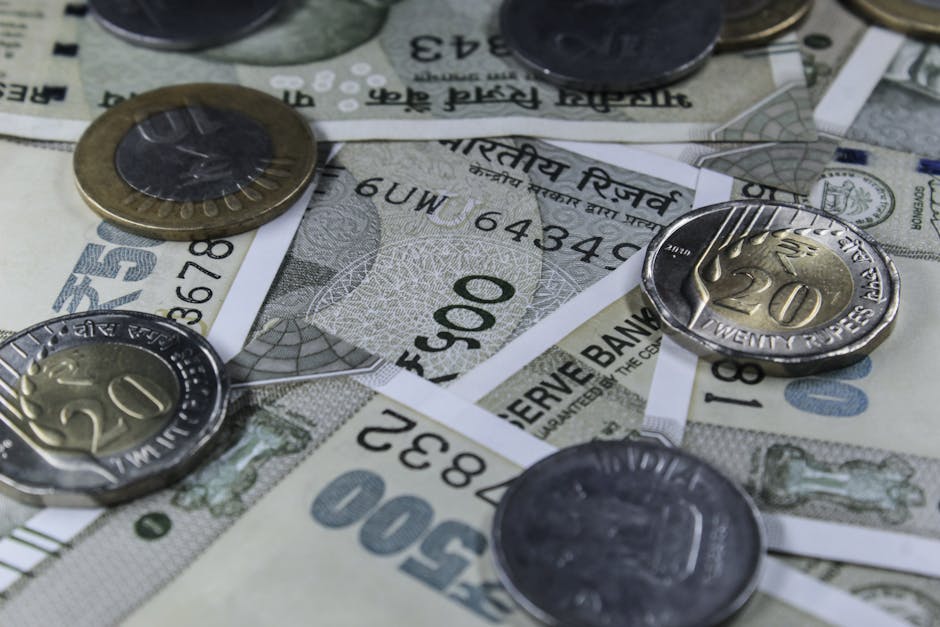
India’s economic landscape is currently navigating a confluence of challenging currents. The Rupee, a key barometer of the nation’s financial health, has been under significant pressure, inching closer to the 93 mark against the US Dollar. Simultaneously, the country’s retail inflation has surged to a 10-month high, creating a dual challenge for policymakers and an immediate pinch for the common Indian household. These two seemingly distinct economic indicators are deeply intertwined, and their combined force has significant implications for your personal finances, from daily expenses to long-term savings and investments.
The Plunging Rupee: Why Its Depreciation Matters to You
The Indian Rupee’s persistent depreciation against the US Dollar is more than just a headline figure; it directly impacts the purchasing power of every Indian. When we say the Rupee is “nearing 93,” it means it now takes nearly 93 Rupees to buy one US Dollar, a significant weakening from earlier levels. This slide is a complex interplay of global and domestic factors.
Globally, a strengthening US Dollar, driven by aggressive interest rate hikes by the US Federal Reserve, makes other currencies, including the Rupee, appear weaker. Furthermore, continuous outflows of Foreign Institutional Investment (FII) from Indian markets, as investors seek safer or higher-yielding assets elsewhere, exert downward pressure on the Rupee. Domestically, India’s robust import demand, particularly for crude oil and electronic goods, often leads to a higher trade deficit, increasing the demand for dollars and further weakening the Rupee.
The most immediate and tangible effect of a depreciating Rupee is on imports. India is a significant importer of crude oil, which fuels everything from transportation to manufacturing. A weaker Rupee means we pay more for each barrel of oil, directly translating into higher petrol, diesel, and LPG prices. Similarly, imported electronics, pharmaceutical raw materials, and even certain food items become more expensive. This increased import cost feeds directly into inflationary pressures, making everyday goods and services dearer. For those aspiring to study abroad or travel internationally, a weaker Rupee translates to significantly higher costs, making foreign education and holidays more expensive.
Inflation’s Grip: The Cost of Living Squeeze
The recent jump in retail inflation to a 10-month high, as measured by the Consumer Price Index (CPI), confirms what many households have already been feeling: the cost of living is rising rapidly. This surge is primarily driven by escalating food prices, particularly vegetables, pulses, and spices, which form a substantial part of the average Indian household’s budget. Adverse weather conditions affecting agricultural output, supply chain bottlenecks, and the aforementioned impact of a weaker Rupee on imported goods all contribute to this upward trajectory.
High inflation is a silent thief of wealth. It erodes the purchasing power of your money, meaning your fixed income or savings can buy less today than they could yesterday. For instance, if your salary growth doesn’t keep pace with inflation, your real income effectively declines. This forces households to either cut down on discretionary spending or dip into savings, impacting their financial security and future goals.
The Reserve Bank of India (RBI) faces a formidable challenge in taming inflation. Typically, the RBI responds by hiking interest rates to curb demand and cool down the economy. While this might eventually help control prices, it also means higher Equated Monthly Installments (EMIs) for loans – home loans, car loans, and personal loans – further burdening household budgets already stretched thin by rising commodity prices.
“The dual challenge of a depreciating Rupee and elevated inflation presents a complex monetary policy dilemma. While the RBI is committed to price stability, balancing growth aspirations with inflation control in an interconnected global economy requires a nuanced approach and effective supply-side management by the government,” observes Dr. Priya Sharma, Chief Economist at Ascent Capital.
Navigating the Economic Headwinds: What It Means for Your Money
Understanding these macroeconomic trends is the first step; the next is to strategize how to protect and grow your money in such an environment. For the average Indian, prudent financial planning becomes paramount.
Budgeting and Spending: Now is the time to review your household budget meticulously. Identify non-essential expenditures that can be trimmed. Prioritise needs over wants, and look for cost-effective alternatives for daily necessities. Bulk buying of non-perishable goods, wherever feasible, can sometimes offer savings.
Savings and Investments: Inflation eats into the real returns of traditional savings instruments like fixed deposits. While the RBI may increase interest rates on FDs, they often struggle to beat high inflation. Consider diversifying your investment portfolio. Equity markets, though volatile, have historically offered inflation-beating returns over the long term. Exploring avenues like real estate (with caution and careful due diligence) or inflation-indexed bonds (if available and suitable for your risk profile) could also be part of a robust strategy. Rebalance your portfolio to ensure it aligns with your risk appetite and financial goals amidst changing economic realities.
Debt Management: With potential interest rate hikes on the horizon, managing debt wisely is crucial. Prioritise repayment of high-interest loans to minimise your overall interest burden. Consider consolidating debts if it leads to a lower interest rate or more manageable EMIs.
Income Streams: Explore opportunities to enhance your income. This could involve skill development to command better salaries, considering side hustles, or leveraging existing assets. In an inflationary environment, maintaining or growing your income is vital to preserve your purchasing power.
The current economic scenario demands vigilance and adaptability. While the government and the RBI are working on various fronts to stabilise the economy, individual financial resilience will be key. By understanding the implications of a weakening Rupee and soaring inflation, and by adopting smart financial strategies, you can better safeguard your money and navigate these challenging times effectively.

