


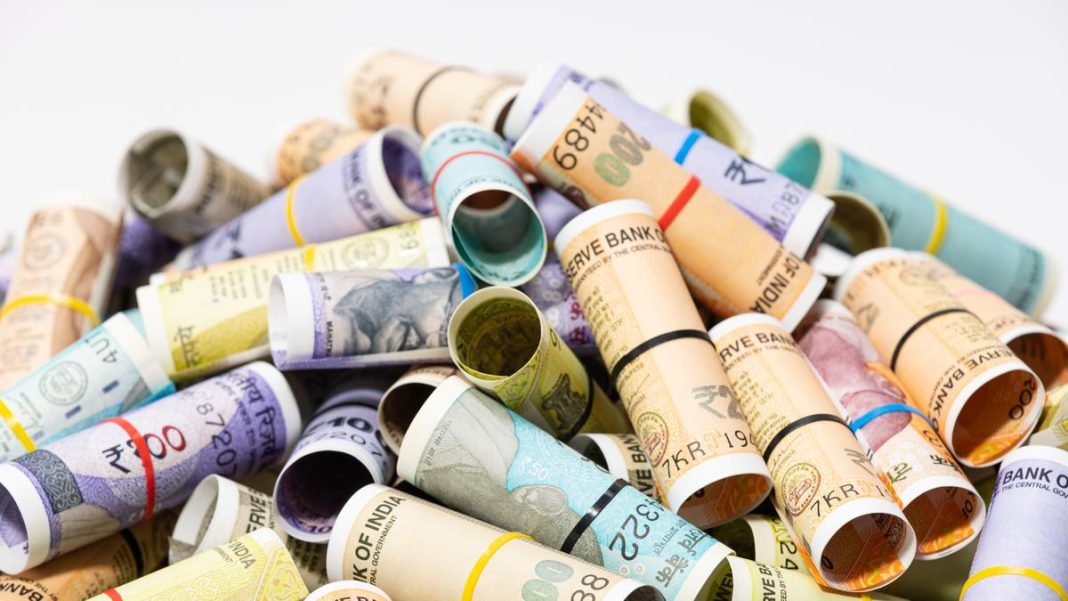
The Indian Rupee, often a barometer of the nation’s economic resilience, is once again in the spotlight. Recent forecasts suggest a potential depreciation, with projections indicating the Rupee could touch ₹93 against the US Dollar by 2026. This outlook stems primarily from two formidable headwinds: anticipated Foreign Direct Investment (FDI) outflows and the looming specter of more expensive non-Russian crude oil imports. Such a significant move, if it materializes, could have profound implications for India’s macroeconomic stability, import bill, and inflationary pressures.
The Dual Threat: FDI Outflows and Capital Shifts
Foreign Direct Investment has long been a critical pillar of India’s economic growth, infusing capital, technology, and employment opportunities. However, the global economic landscape is shifting, creating an environment where emerging markets like India might face capital flight. Several factors contribute to this apprehension regarding FDI outflows:
Firstly, persistent global inflation and the resultant aggressive monetary tightening by central banks in developed economies, particularly the US Federal Reserve, are making dollar-denominated assets more attractive. This interest rate differential can incentivize investors to reallocate capital from emerging markets back to safer, higher-yielding developed markets, leading to potential FDI and FPI (Foreign Portfolio Investment) outflows from India.
Secondly, as global supply chains recalibrate and geopolitical uncertainties persist, some multinational corporations might reconsider their investment strategies, potentially leading to a deceleration or even a reversal of FDI into certain sectors. India’s ability to maintain its growth trajectory and policy stability will be crucial in mitigating such shifts. A robust domestic investment climate and ease of doing business are paramount to counter these global gravitational pulls.
“The confluence of global monetary tightening and a recalibration of energy markets presents a significant headwind for the Indian Rupee. Maintaining fiscal discipline and boosting exports will be crucial,” notes Dr. Anjali Sharma, Chief Economist at Ascent Financial Services. “While India’s long-term growth story remains compelling, the short-to-medium term currency outlook is undeniably challenging due to these external pressures.”
The Crude Conundrum: Beyond Russian Discounts
India is one of the world’s largest importers of crude oil, making its economy highly susceptible to global energy price fluctuations. For the past year and a half, India has significantly benefited from discounted Russian crude oil imports, cushioning the impact of high global prices to some extent. However, this advantage may not be sustainable in the long run, and the prospect of expensive non-Russian crude oil is a major concern.
Firstly, the global energy market remains volatile. Any escalation in geopolitical tensions, supply disruptions, or increased demand from major economies could push crude oil prices upwards. If this happens at a time when access to discounted Russian oil becomes restricted or less viable due to evolving sanctions, logistical challenges, or strategic shifts, India would be forced to procure a larger share of its crude from other, more expensive sources.
Secondly, even without outright restrictions, the discounts on Russian crude may naturally diminish over time as global supply chains adapt or as Russia finds more diversified buyers. This would effectively raise India’s average crude import cost. A higher crude import bill directly translates into a wider current account deficit (CAD), putting significant downward pressure on the Rupee as more dollars are needed to pay for imports. This scenario exacerbates imported inflation, impacting everything from fuel prices to manufacturing costs and ultimately, consumer spending.
Navigating the Economic Currents
The potential depreciation of the Rupee to ₹93 by 2026 presents a complex challenge for Indian policymakers. The Reserve Bank of India (RBI) will likely need to balance managing inflation with maintaining currency stability, potentially through intervention in the foreign exchange market, though such interventions are costly and have limitations. The government’s focus on boosting exports, attracting stable long-term capital, and reducing reliance on imports (especially energy through renewables) will be critical.
While the forecast highlights significant headwinds, India’s underlying economic strengths – a robust domestic market, a growing manufacturing base, and increasing digital adoption – provide some buffers. The ability to diversify trade relationships, enhance energy security, and maintain a prudent fiscal policy will be key determinants in how effectively India navigates these impending economic currents and mitigates the anticipated pressure on its currency.
The journey to 2026 will undoubtedly test India’s economic resilience and policy agility, with the Rupee’s trajectory serving as a crucial indicator of the nation’s success in managing global economic turbulences.

