


The lives of millions of rural households in West Bengal, heavily reliant on the Mahatma Gandhi National Rural Employment Guarantee Scheme (MGNREGS), have been caught in a prolonged administrative limbo. For over two years, the flow of funds for the flagship rural employment scheme to the state has been suspended, leading to significant hardship and political debate. A recent statement from the Centre in the Rajya Sabha, however, offers a glimmer of hope, indicating that procedures are being ‘reworked’ to facilitate the resumption of the scheme in West Bengal.
Union Minister of State for Rural Development, Sadhvi Niranjan Jyoti, informed the Rajya Sabha that the central government is actively engaged in ‘reworking’ procedures. This declaration comes after continuous pleas from the West Bengal government, opposition parties, and various civil society organisations, all highlighting the severe impact of the fund suspension on the state’s rural poor. The development signals a potential breakthrough in the protracted stalemate between the Centre and the Trinamool Congress-led state government over the implementation and oversight of the scheme.
The Suspension and Centre’s Rationale
The Centre’s decision to halt MGNREGS fund releases to West Bengal dates back to March 2022. The primary reason cited by the Union Ministry of Rural Development for this suspension has been alleged “irregularities and non-compliance” with the scheme’s guidelines. These allegations ranged from the misuse of funds, issues with beneficiary identification, to inadequate audits and a lack of accountability mechanisms at the state level. The Centre had reportedly sought detailed action-taken reports and assurances of corrective measures from the West Bengal government.
For its part, the West Bengal government has consistently denied the allegations of widespread corruption, arguing that any issues identified were isolated and were being addressed. State officials have maintained that they have submitted all necessary documents and complied with the Centre’s directives, urging for the immediate release of funds to alleviate the suffering of workers. The financial crunch has meant that wages for millions of person-days of work remain unpaid, compounding economic distress in rural areas where alternative employment opportunities are often scarce.
“Reworking Procedures”: What It Means
While the term ‘reworking procedures’ remains somewhat broad, it strongly suggests a collaborative effort to establish more robust checks and balances. This could involve several key areas:
Enhanced Transparency and Accountability
Expectations are high that the “reworking” will focus on greater transparency in financial transactions, perhaps through stricter adherence to direct benefit transfer (DBT) mechanisms for wage payments, ensuring funds reach beneficiaries without intermediaries. The Centre might also push for stronger social audits and public disclosure of all scheme-related data, including job cards, work done, and wages paid.
A senior official within the Ministry of Rural Development, speaking on the condition of anonymity, commented, “We are committed to ensuring transparency and accountability in MGNREGS. The ‘reworking’ involves implementing robust mechanisms to prevent misuse while ensuring the scheme’s benefits reach genuine beneficiaries effectively. It’s about strengthening the system for the long term.”
Technological Integration and Monitoring
Increased use of technology, such as geo-tagging of assets created under the scheme, biometric authentication for attendance, and real-time monitoring dashboards, could be part of the revamped procedures. These measures aim to minimise human intervention where possible and reduce the scope for anomalies.
Capacity Building and Grievance Redressal
The Centre may also mandate a renewed focus on training state and local government functionaries on scheme guidelines and compliance protocols. Strengthening grievance redressal systems at the block and district levels would also be crucial to ensure timely resolution of complaints from workers and the public.
Impact on Beneficiaries and the Road Ahead
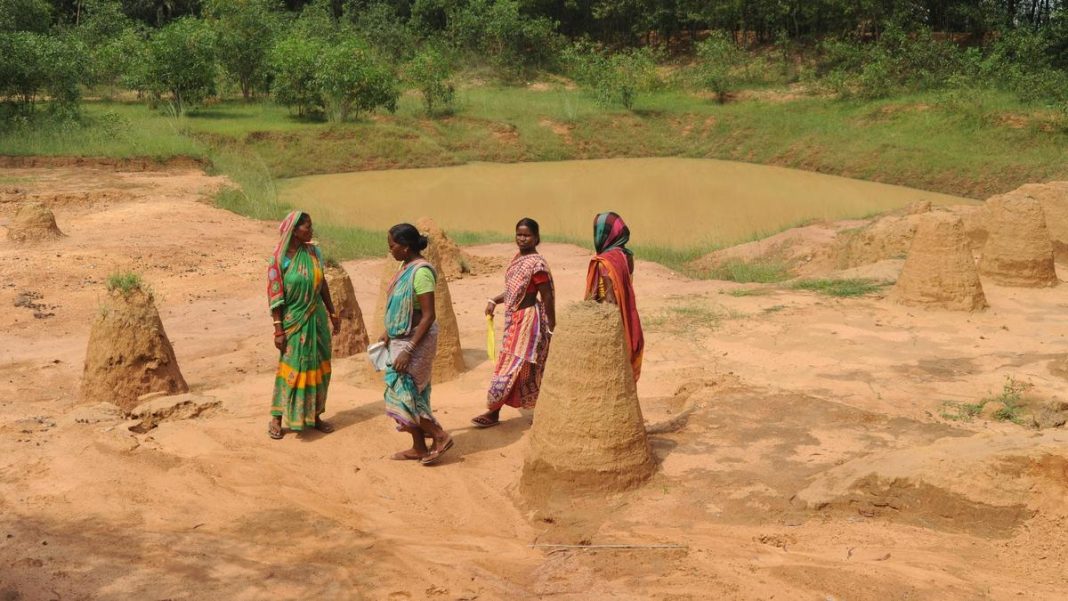
The cessation of MGNREGS funds has had a profound impact on the rural economy of West Bengal. Thousands of daily wage earners, particularly women and vulnerable communities, who depended on the scheme for their livelihoods, have been left in a precarious situation. The scheme, designed as a safety net during lean agricultural seasons and economic downturns, provides up to 100 days of guaranteed wage employment in a financial year to every rural household whose adult members volunteer to do unskilled manual work.
The Centre’s statement, therefore, brings a much-needed sense of anticipation among these workers. The challenge now lies in the swift and effective implementation of these ‘reworked procedures’. It will require genuine cooperation and political will from both the Union and the State governments to iron out the differences, address the alleged irregularities transparently, and ensure that the scheme, which is a lifeline for millions, resumes its intended function without further delay. The focus must ultimately remain on the welfare of the rural populace, ensuring their right to work and dignity.
—

