


Quick Summary
Humanity is gearing up for a significant return to the Moon, not just for flags and footprints, but to tackle some of the biggest unanswered questions about our solar system and beyond.
What Happened
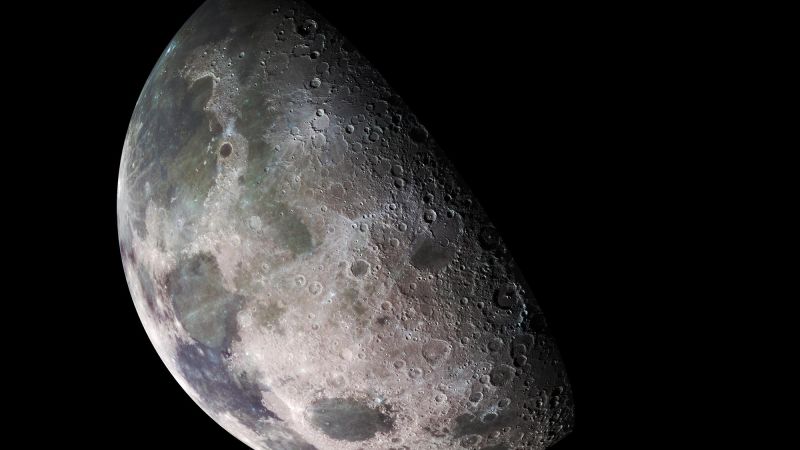
Upcoming missions, notably the Artemis program, are paving the way for astronauts to set foot on the lunar surface once more. This time, the focus extends beyond initial exploration to establishing a more sustained presence. Scientists are eager to deploy advanced instruments and conduct experiments directly on the Moon, probing its geological makeup and ancient history.
Why It Matters
The Moon holds crucial clues about the early formation of Earth and the solar system. By studying lunar rocks and regolith, researchers hope to unlock secrets about planetary evolution, volcanic activity, and even the origins of water. As one astronomer noted, "Every step on the Moon teaches us something new about our place in the cosmos." This research could also inform future deep-space missions to Mars and beyond.
Bottom Line
A renewed lunar presence promises to be a scientific goldmine, transforming our understanding of the universe and solidifying humanity’s future in space exploration.

