


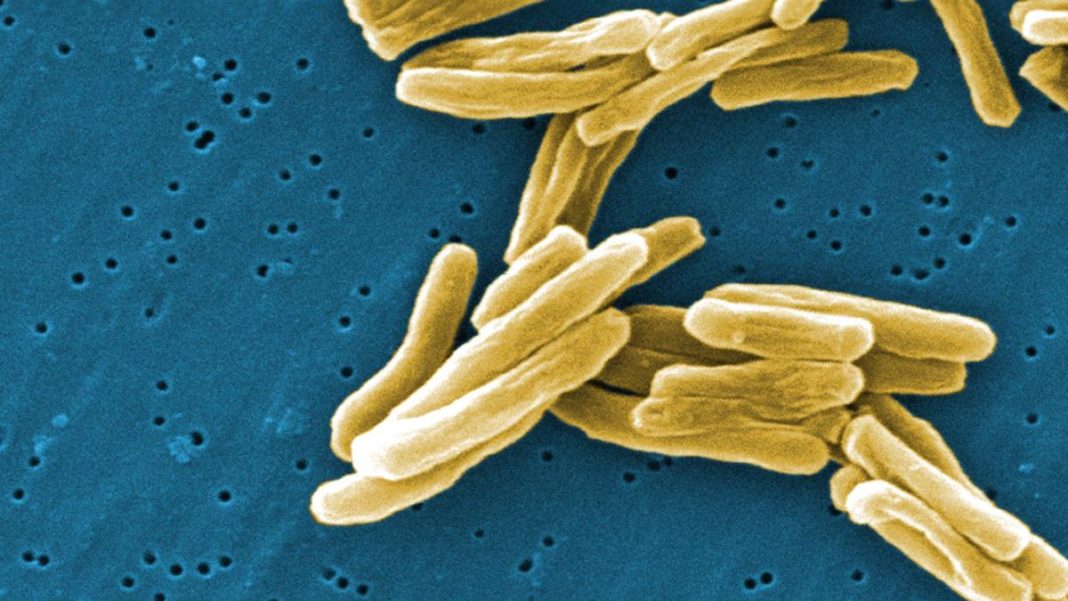
Tuberculosis (TB), a persistent shadow over global health, continues to exact a heavy toll, particularly in India, which bears the world’s largest burden of the disease. Often dubbed a “silent killer,” TB not only claims lives but also severely impacts socio-economic progress and public health infrastructure. Despite decades of effort, challenges like drug-resistant strains and slow diagnostic methods persist. However, a recent wave of research offers a beacon of hope, identifying novel mechanisms that promise more efficient detection and effective weakening of the formidable TB bacteria, Mycobacterium tuberculosis (Mtb).
Revolutionising Early Detection: Pinpointing Mtb’s Metabolic Signatures
One of the most critical breakthroughs lies in the development of sophisticated techniques to detect Mtb at its earliest stages, potentially even before symptoms manifest. Traditional diagnostic methods, while vital, can be time-consuming and often require advanced laboratory facilities, making them less accessible in remote or resource-limited settings. The new research focuses on identifying unique metabolic signatures – specific chemical byproducts or energy pathways – that are characteristic of actively replicating Mtb bacteria.
Scientists have uncovered a set of distinctive biomarkers, specific to the bacterial cell’s stress response and rapid growth phases. By targeting these novel metabolic indicators, researchers are developing highly sensitive and rapid diagnostic tools. Imagine a future where a simple, non-invasive test could identify the presence of Mtb within hours, distinguishing it from other lung infections with unprecedented accuracy. This would significantly shorten the diagnostic window, allowing for immediate treatment initiation and drastically reducing the potential for disease transmission within communities. Such early detection is paramount in India’s fight against TB, where timely diagnosis can be a game-changer for patient outcomes and public health control.
Targeting Vulnerabilities: New Strategies to Weaken TB Bacteria
Beyond detection, the research also delves into innovative ways to compromise the very survival mechanisms of Mtb. The bacterium is notoriously hardy, capable of lying dormant for years and developing resistance to multiple drugs. The new findings illuminate specific Achilles’ heels in Mtb’s cellular machinery, opening avenues for novel therapeutic interventions.
One promising strategy involves interfering with Mtb’s ability to repair its cell wall or produce essential energy. For instance, researchers have identified certain enzymes critical for the bacteria’s unique lipid metabolism, which are distinct from human enzymes. By developing compounds that specifically inhibit these bacterial enzymes, scientists aim to disrupt Mtb’s growth and replication without harming human cells. Another line of investigation explores ways to reactivate dormant Mtb, making it susceptible to existing drugs, which are ineffective against the latent form. These targeted approaches could lead to new drug classes that are more effective, less toxic, and potentially overcome current drug resistance challenges.
“These advancements are not just theoretical; they hold immense promise for reshaping India’s TB landscape. Faster, more accurate diagnostics mean fewer missed cases and quicker intervention, while novel weakening mechanisms could provide critically needed tools against drug-resistant strains, saving countless lives and reducing the economic burden on families,” says Dr. Kavita Singh, a leading public health expert at the National Institute of Tuberculosis and Respiratory Diseases, Delhi.
Implications for India’s TB Elimination Mission
For India, these research breakthroughs are particularly relevant. The country’s National Tuberculosis Elimination Programme (NTEP) is relentlessly working towards eradicating TB by 2025. The advent of rapid, accessible diagnostic tools based on these new mechanisms could dramatically accelerate case finding, especially in remote rural areas where sophisticated lab facilities are scarce. Furthermore, novel therapeutic strategies to weaken Mtb could offer a lifeline for patients suffering from Multi-Drug Resistant TB (MDR-TB) and Extensively Drug-Resistant TB (XDR-TB), a significant public health concern.
By offering more precise tools for diagnosis and more potent weapons for treatment, this research represents a significant leap forward. It underscores the importance of sustained investment in scientific inquiry and international collaboration to translate these laboratory discoveries into real-world solutions. As the global scientific community pushes the boundaries of understanding Mtb, the prospect of a TB-free India moves closer to reality, offering hope to millions.
*

