


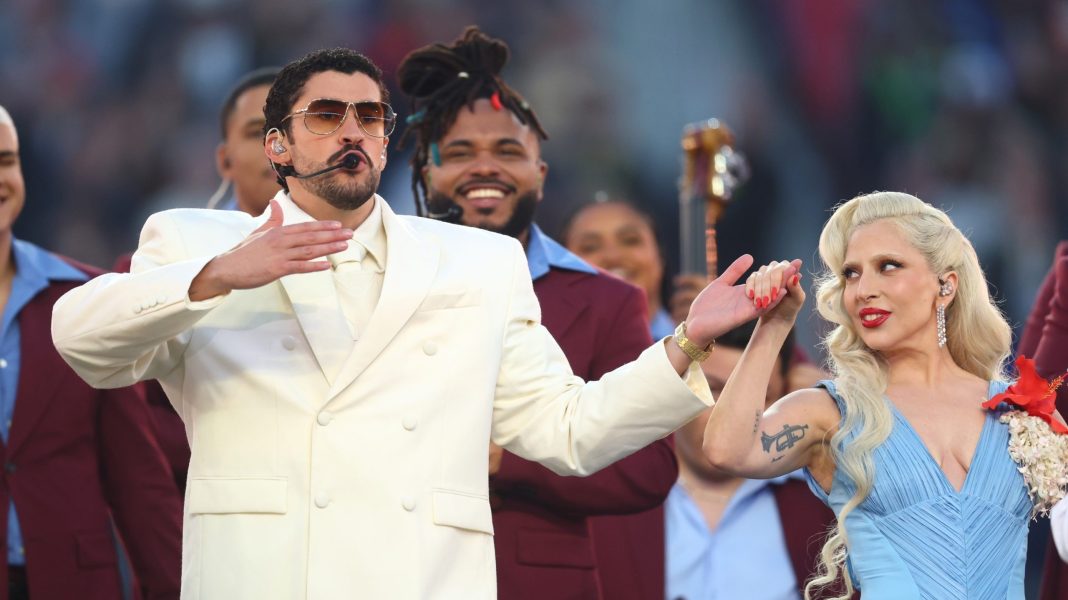
The spotlight of a major televised halftime show is a powerful stage, a magnet for both adulation and intense scrutiny. When global music sensation Bad Bunny took that stage, delivering a performance charged with his signature energy and Latin flair, it sparked a familiar dynamic: a wave of excitement from fans and, predictably, a wave of outrage from a vocal segment of the audience. The ensuing drama saw calls for regulatory action, with Republicans leading the charge, urging the Federal Communications Commission (FCC) to investigate alleged indecency. So, what happened when the FCC looked into it? Let’s break it down.
The Performance and the Public Pulse
Bad Bunny’s appearance was exactly what many have come to expect from the artist: vibrant, high-energy, and unapologetically distinct. For millions, it was a thrilling display of musical artistry and cultural pride. However, for another portion of the viewership, particularly those with more conservative sensibilities, the performance crossed a line. Concerns were reportedly raised about everything from costuming and dance moves to the overall suggestive tone, leading to a flurry of complaints directed at the FCC.
The crux of the outrage often centers on what is deemed appropriate for a family-friendly broadcast. The perceived boundary-pushing elements of the show triggered a sense of moral indignation, prompting calls for accountability. As one viewer, a self-described concerned parent from Ohio, reportedly stated, “This isn’t what I expect for family viewing. There’s a line, and I felt it was definitely crossed.” This sentiment echoed across social media and various conservative news outlets, amplifying the pressure on regulators to act.
The FCC’s Mandate and Measured Response
The FCC, however, operates within a specific legal framework, not on subjective public opinion or moral outrage alone. Its primary role in broadcast indecency involves regulating content that depicts sexual or excretory organs or activities in a way that is “patently offensive as measured by contemporary community standards for the broadcast medium.” Crucially, this applies only to broadcasts aired between 6 AM and 10 PM, when children are more likely to be watching.
Upon receiving complaints about Bad Bunny’s performance, the FCC followed its standard procedure: collecting the complaints, reviewing the broadcast content, and assessing it against established legal precedents and the specific definitions of indecency. This isn’t a simple ‘like or dislike’ assessment; it’s a rigorous legal review aimed at determining if federal law has been violated.
After their thorough examination, the verdict was clear and unequivocal: the FCC found no violations of indecency rules. The performance, while perhaps provocative to some, did not meet the stringent legal definition required for regulatory action. This outcome highlights the often-wide gap between public perception of impropriety and the specific, narrowly defined standards that broadcast regulators must uphold.
Cultural Collisions and Regulatory Realities
This episode serves as a microcosm of ongoing cultural dialogues in a diverse society. Major televised events often become battlegrounds for differing values, where evolving artistic expression clashes with traditional expectations. While public outcry can certainly draw attention to content, the FCC’s response underscores a fundamental principle: regulatory bodies operate on objective legal standards, not popular consensus or political pressure.
The FCC’s finding in the Bad Bunny case is a reminder that while audiences are free to express their discomfort or disapproval, the legal bar for broadcast indecency is set quite high. It suggests that what one segment of the population perceives as scandalous, another sees as vibrant cultural expression, and the federal agency tasked with oversight must navigate these waters with adherence to law, rather than emotion. In the end, the music played on, the complaints were heard, and the regulators found nothing amiss, leaving the debate about taste and decency to continue in the public square.

