


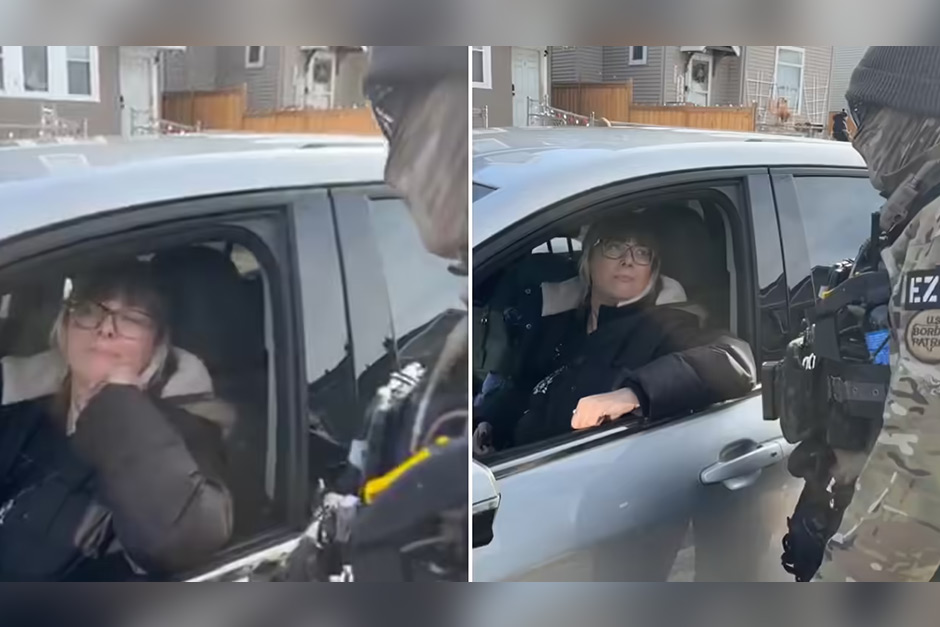
In an era where every smartphone doubles as a potential camera, incidents involving law enforcement are increasingly brought into the public eye, often sparking intense debate across the globe. One such recent event in Minneapolis, United States, has captured significant attention, highlighting the delicate balance between public safety operations and civil liberties. The shooting of Renee Nicole Good by federal agents during an arrest attempt for her boyfriend escalated into a viral confrontation when an ICE (U.S. Immigration and Customs Enforcement) agent threatened women recording the scene, uttering the chilling words, “don’t make a bad decision.” This incident, though geographically distant, resonates deeply within the ongoing global discourse on police accountability and the rights of citizens, including discussions frequently held in India regarding law enforcement conduct and public oversight.
The Fatal Encounter and a Viral Threat
The incident unfolded on May 24, 2024, in Minneapolis when federal agents, including members of a U.S. Marshals Service task force, attempted to apprehend Estevan Mireles, Renee Nicole Good’s boyfriend, who was wanted on federal firearms and drug charges. During the operation, Renee Nicole Good was shot and later died, sparking immediate questions about the use of force. What further amplified the controversy was the subsequent interaction between law enforcement and local residents. As women in the vicinity began recording the scene on their mobile phones – a practice increasingly common and generally protected under free speech laws in many democracies – an ICE agent confronted them.
The agent, whose identity became a subject of discussion online, was captured on video pointing at the women and sternly cautioning them. His words, “don’t make a bad decision,” delivered with a clear implication of potential repercussions, quickly went viral. This phrase transformed from a simple warning into a symbolic flashpoint, encapsulating the tension and power dynamics inherent in encounters between citizens and armed authorities. For many, both in the U.S. and internationally, the exchange underscored concerns about official overreach and the perceived intimidation of those exercising their right to document public events involving state power.
Public Scrutiny and the Right to Record
The viral video of the ICE agent’s threat ignited a firestorm of criticism, prompting discussions across social media platforms, news outlets, and civil rights organizations. Advocacy groups were quick to condemn the agent’s actions, emphasizing the fundamental right of citizens to record police activity in public spaces, a right that serves as a crucial check on potential abuses of power. This right is not merely an American concept; it’s a principle increasingly recognized and debated in countries like India, where incidents of alleged police misconduct or excessive force often lead to similar calls for transparency and accountability.
The incident in Minneapolis brought into sharp focus the differing perspectives on such interactions. For law enforcement, operations can be high-stress environments where perceived threats or distractions are viewed with suspicion. However, for the public, the ability to record acts as a vital tool for documenting events, holding officials accountable, and providing an unfiltered narrative that complements official reports. The agent’s warning, interpreted by many as an attempt to suppress legitimate public oversight, fueled a sense of injustice and highlighted the imperative for clearer guidelines and training for officers on interacting with citizens who are recording.
Global Echoes: Accountability and Public Trust
While the Renee Nicole Good shooting and the subsequent confrontation occurred thousands of miles away, their implications resonate with global conversations, including those in India. Societies everywhere grapple with the challenge of ensuring law and order while simultaneously safeguarding the civil liberties of their citizens. In India, debates surrounding police reforms, the appropriate use of force, and the importance of public trust are constant. The power dynamic between the state and the individual is a universal theme, and incidents like the one in Minneapolis serve as poignant reminders of why transparency and accountability are paramount for maintaining public confidence in institutions.
The outcome of investigations into the shooting of Renee Nicole Good and the ICE agent’s conduct will be closely watched. Beyond individual accountability, these events prompt a broader examination of policies, training, and the cultural approach of law enforcement agencies. For any democratic society, including India, fostering an environment where citizens can record and report without fear of intimidation is crucial. It underscores the universal truth that justice must not only be done but must also be seen to be done, with the public acting as an essential, if sometimes uncomfortable, witness.
The Minneapolis incident serves as a powerful testament to the impact of citizen journalism and the persistent demand for greater transparency from those vested with state authority. It reinforces the notion that in an increasingly interconnected world, events in one corner can spark conversations and introspection in another, ultimately contributing to a global push for more equitable and accountable governance.

