


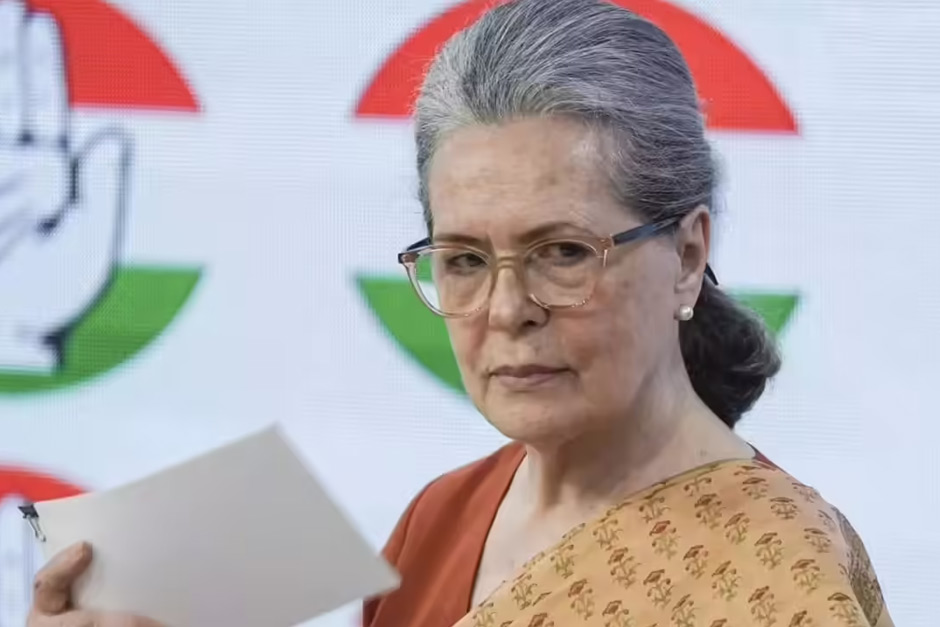
New Delhi, India – Former Congress President Sonia Gandhi was admitted to Sir Ganga Ram Hospital in Delhi on Wednesday for what hospital sources described as a routine check-up. The development, while officially termed as standard procedure given her age and medical history, has inevitably drawn attention to the broader public health concerns in India’s capital, particularly concerning air pollution and its potential impact on vulnerable individuals.
The veteran political leader, aged 77, has been under medical observation, with the hospital releasing a statement affirming her stable condition. This incident, though seemingly a personal health matter, resonates with a growing public discourse on proactive health management amidst challenging environmental conditions, particularly for senior citizens living in highly polluted urban centres like Delhi.
Admission Details and Official Stance
Sonia Gandhi arrived at Sir Ganga Ram Hospital accompanied by her daughter, Priyanka Gandhi Vadra. Hospital authorities promptly issued a statement to allay concerns, confirming the admission was for a “routine check-up” and that she was “stable and under observation.” Given her history of health-related issues, including a prolonged illness in recent years that has necessitated frequent medical attention both in India and abroad, such admissions for follow-up and evaluation are not uncommon.
Sources close to the family indicated that the check-up was pre-scheduled and part of her ongoing health management plan. However, the timing coincides with periods where Delhi’s air quality often fluctuates, prompting a renewed conversation about the preventative measures individuals, especially those with underlying health conditions, must take.
Delhi’s Air Quality: A Lingering Health Concern
The question of whether such “routine check-ups” are becoming increasingly necessitated by Delhi’s persistent air pollution is a pressing one that many citizens quietly ponder. Delhi consistently ranks among the most polluted cities globally, with its air quality index (AQI) frequently plummeting to “severe” or “hazardous” levels, especially during the colder months.
Poor air quality is a significant public health hazard, contributing to a myriad of respiratory illnesses, cardiovascular diseases, and exacerbating existing conditions like asthma and chronic obstructive pulmonary disease (COPD). For the elderly, whose immune systems may be weaker and whose bodies are generally more susceptible to environmental stressors, the risks are compounded.
“With Delhi’s air quality often deteriorating to severe levels, especially for individuals with pre-existing conditions or advanced age, regular health monitoring becomes even more critical,” commented Dr. Alok Sharma, a prominent pulmonologist based in Delhi. “What might have been considered a purely routine check-up a decade ago, now often carries the added imperative of assessing and mitigating the long-term effects of chronic exposure to pollutants on vital organs.”
This perspective underscores the broader societal shift, where health checks are no longer just about addressing symptoms but proactively managing the impact of external environmental factors on our well-being.
Proactive Health Management in Challenging Environments
Sonia Gandhi’s admission, while private in nature, inadvertently shines a spotlight on the growing need for proactive and preventative healthcare strategies across India. For public figures, whose health is often subject to intense scrutiny, rigorous health management becomes an unavoidable necessity. But the implications extend to every resident of Delhi and other polluted urban centres.
Experts are increasingly advocating for more frequent health screenings, especially for vulnerable populations, to detect and address pollution-related health issues early. This includes monitoring lung function, cardiovascular health, and overall immune system resilience. Furthermore, lifestyle adjustments, such as using air purifiers, wearing masks outdoors during peak pollution, and maintaining a balanced diet, are becoming critical components of urban health strategies.
In conclusion, while Sonia Gandhi’s hospitalization is for a routine check-up, it serves as a subtle yet potent reminder of the pervasive health challenges posed by urban environmental degradation. Her stable condition offers reassurance, but the incident simultaneously urges a collective reflection on how we, as individuals and as a society, are adapting to safeguard our health in increasingly challenging circumstances, where “routine” checks might well be a necessary defense against the invisible threats in the air we breathe.

