


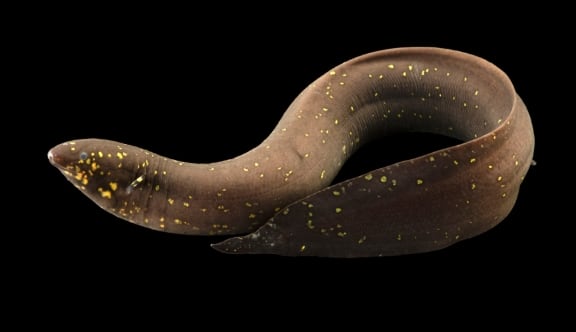
A new chapter in the saga of life’s evolution has been penned, not with ink, but with an astonishing 91 billion DNA base pairs. Researchers have successfully sequenced the genome of the South American Lungfish, Lepidosiren paradoxa, revealing a genetic blueprint so vast it has shattered all previous records. This monumental achievement offers unprecedented insights into the journey of vertebrates, particularly the pivotal transition from aquatic to terrestrial life, captivating the scientific community in India and across the globe.
The Genomic Behemoth: Unpacking 91 Billion Base Pairs
For context, the human genome, a marvel of complexity in itself, comprises approximately 3 billion DNA base pairs. The South American Lungfish, a creature seemingly less complex than humans, now holds the distinction of possessing a genome more than 30 times larger. This astounding scale positions Lepidosiren paradoxa at the apex of known vertebrate genome sizes, eclipsing even the enormous genome of the marbled lungfish (approximately 130 billion base pairs) which was only recently fully mapped in terms of contiguity.
This discovery brings into sharp focus the “C-value paradox,” a long-standing enigma in genomics that questions why there isn’t a direct correlation between an organism’s perceived complexity and the size of its genome. Scientists postulate that such immense genomes often contain vast stretches of repetitive DNA, mobile genetic elements, and multiple copies of genes, which can play complex roles in regulating gene expression and driving evolutionary change. The sheer volume of data in the lungfish genome presents both an immense challenge and an unparalleled opportunity for understanding these genetic intricacies.
A Living Fossil’s Blueprint: Bridging Water and Land
The South American Lungfish is often dubbed a “living fossil” due to its ancient lineage and remarkable evolutionary significance. It is considered the closest living relative to land vertebrates (tetrapods), making its genome a crucial Rosetta Stone for deciphering the genetic innovations that allowed life to conquer land millions of years ago. By comparing the lungfish genome with those of other fish and land animals, scientists can identify key genes and regulatory elements that facilitated the development of lungs, limbs, and other adaptations necessary for terrestrial existence.
“Sequencing a genome of this magnitude was an immense undertaking, a a testament to both technological advancements and the collaborative spirit of global science,” shared a lead researcher involved in the project. “It’s like unearthing an ancient library where every one of those 91 billion base pairs holds a clue to how life adapted and diversified over millions of years. This isn’t just a record; it’s a profound window into our own evolutionary heritage.“
Researchers are particularly keen to investigate genes associated with lung development, as lungfish possess both gills and a primitive lung, enabling them to breathe air. Furthermore, insights into limb development and osmoregulation (the regulation of water balance) are expected to shed light on the genetic toolkit that enabled aquatic creatures to transition to drier environments. Understanding these evolutionary innovations at a genomic level holds implications for developmental biology and even potential biomedical research.
Implications for Global Science and Indian Research
This groundbreaking research underscores the power of large-scale genomic projects to unravel fundamental biological questions. For India, a nation with a burgeoning scientific community and a rich biodiversity, such global discoveries serve as powerful inspirations and valuable resources. Indian researchers, deeply involved in fields ranging from conservation genomics to evolutionary biology, stand to benefit immensely from the methodologies developed and the data generated from projects like the lungfish genome sequencing.
Institutes like the National Centre for Biological Sciences (NCBS) and the Indian Institute of Science (IISc) are actively engaged in advanced genomic studies, and the challenges overcome in sequencing the lungfish genome can inform their own complex projects. Furthermore, understanding the evolutionary mechanisms at play in the lungfish could provide comparative models for studying adaptation in India’s diverse aquatic and terrestrial fauna. This global effort enriches the collective scientific knowledge base, contributing to a more nuanced understanding of life on Earth that resonates with and empowers research endeavours worldwide, including those in India.
The sequencing of the South American Lungfish genome is more than just a new record; it’s a testament to humanity’s relentless quest to understand the origins and intricacies of life. As scientists begin to delve into the vastness of these 91 billion base pairs, we can expect a cascade of discoveries that will redefine our understanding of evolution, adaptation, and the remarkable journey of life from primordial waters to the diverse world we inhabit today.
The future of genomic research promises even deeper dives into the genetic codes of Earth’s most enigmatic creatures, continuously revealing the hidden narratives woven into the fabric of DNA.

