


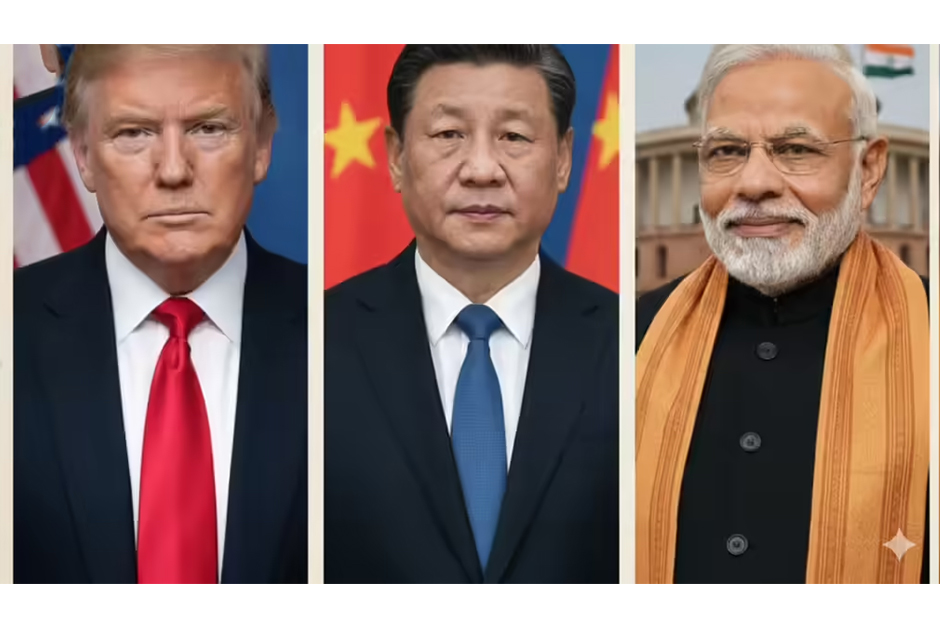
In the intricate tapestry of global geopolitics, where alliances shift and narratives clash, recent developments have once again highlighted the complex dynamics between major powers. China, a central player, finds itself at the nexus of a new controversy following an “explosive” US intelligence report. While Beijing swiftly dismissed the American allegations, it simultaneously extended a surprising olive branch to India, expressing a readiness to “enhance trust.” Curiously, amidst these diplomatic manoeuvres, China maintained a conspicuous silence regarding its close ally, Pakistan, on matters potentially touched upon by the same US report, presenting a fascinating study in strategic communication for New Delhi to decode.
China’s Rejection of US Claims and Overture to India
The recent US intelligence report, which allegedly detailed China’s expansive global intelligence operations, has drawn a vehement response from Beijing. Chinese Foreign Ministry Spokesperson Mao Ning unequivocally denounced the report as “politically motivated” and “disinformation,” accusing the US of engaging in a smear campaign. This robust defence is consistent with China’s long-standing posture against what it perceives as Western attempts to contain its rise.
However, what followed this strong rebuttal caught the attention of observers, particularly in India. In a move that signals a potential recalibration of diplomatic emphasis, Mao Ning stated, “Beijing is indeed ready to enhance political mutual trust and deepen mutually beneficial cooperation with India.” This declaration comes at a time when Sino-Indian relations remain strained by the protracted border stand-off in Eastern Ladakh, with military and diplomatic talks yielding limited breakthroughs on full disengagement. The timing of such an overture, in the immediate aftermath of an international controversy and seemingly unprovoked by any direct Indian initiative, invites careful scrutiny. Some analysts suggest it could be an attempt by China to counter a burgeoning US-India strategic partnership, or perhaps a genuine signal of intent to de-escalate tensions with a powerful neighbour as it navigates increasing global pressure.
The Evasive Silence on Pakistan Ties
The diplomatic tightrope China walks becomes even more apparent when contrasted with its response—or lack thereof—concerning its “all-weather friend,” Pakistan. While the specific contents of the US report remain largely classified, the general scope points to a wide range of intelligence activities impacting global security. Given Pakistan’s deep strategic ties with China, including the multi-billion dollar China-Pakistan Economic Corridor (CPEC) and extensive defence cooperation, any report touching upon regional intelligence networks or activities would naturally invite questions about Beijing’s closest regional partner.
Yet, China’s official statements regarding the US report have been notably evasive on any implications for Pakistan. This silence stands in stark contrast to Beijing’s swift and direct defence of its own conduct and its proactive outreach to India. For New Delhi, this selective engagement presents a complex picture. It highlights the enduring strategic depth of the Sino-Pakistani relationship, which appears to operate on a different diplomatic wavelength, often shielded from public scrutiny or direct defence even when controversies arise. China’s readiness to address India directly while sidestepping any mention of Pakistan, despite shared regional contexts, underscores the multifaceted nature of its foreign policy objectives.
India’s Cautious Approach Amidst Geopolitical Shifts
For India, these signals from Beijing necessitate a carefully calibrated response. While the prospect of enhanced trust and cooperation is always welcome, particularly with a powerful neighbour with whom it shares a contested border, New Delhi is unlikely to be swayed by mere rhetoric. India’s foreign policy has consistently emphasised that genuine normalisation of relations can only occur with peace and tranquillity on the border, predicated on mutual respect and adherence to agreements.
India’s growing strategic autonomy, its strengthening ties with the US and other QUAD partners, and its resolute stance on territorial integrity mean it will likely approach China’s overture with caution. Any progress would hinge on visible, concrete actions on the ground rather than diplomatic pronouncements alone. The juxtaposition of Beijing’s defensive posture against the US, its outreach to India, and its silence on Pakistan forms a crucial data point for Indian policymakers as they navigate the evolving regional and global power dynamics.
Ultimately, China’s dual strategy – a firm rejection of Western allegations coupled with an intriguing diplomatic opening towards India, all while maintaining a strategic silence on its traditional ally Pakistan – paints a vivid picture of its complex foreign policy objectives. As the dust settles on the US report, the ball is now in Beijing’s court to demonstrate whether its words of trust towards India are backed by genuine intent, or merely a tactical manoeuvre in a larger geopolitical game.

