


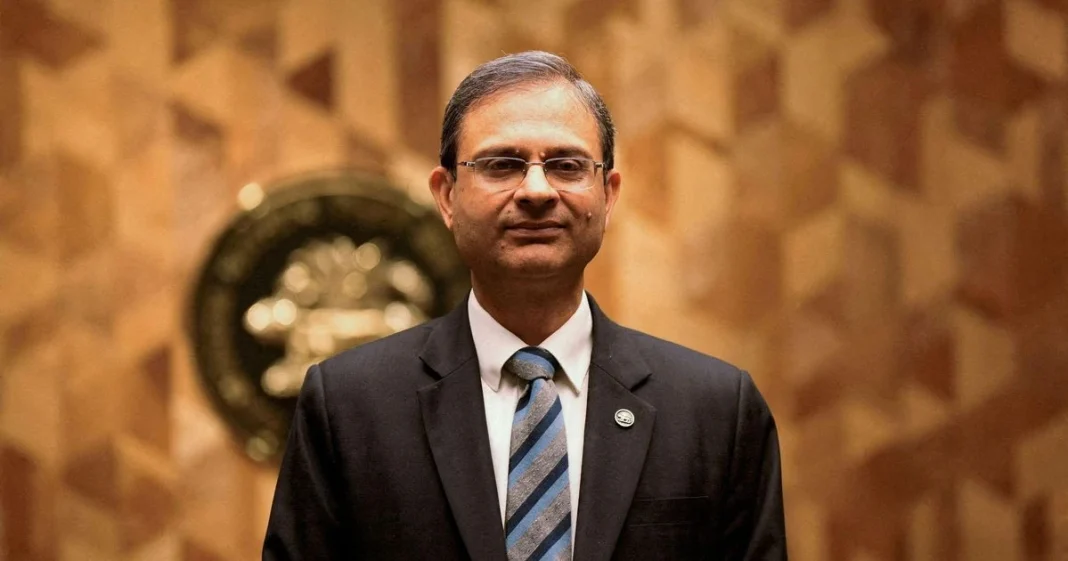
The latest Monetary Policy Committee (MPC) meeting of the Reserve Bank of India (RBI) concluded with its customary close scrutiny of India’s economic landscape, both domestic and global. While the MPC maintained its vigilant stance on inflation and growth, a significant highlight emerged from Governor Malhotra’s address: his assertion that recent US tariffs are expected to have only a minimal impact on the Indian economy. This perspective offers a nuanced understanding of India’s resilience amidst evolving international trade dynamics, placing emphasis on the nation’s robust internal demand and diversified economic base.
Maintaining Stability Amidst Global Crosscurrents
The MPC’s decisions are always keenly watched, as they set the tone for India’s financial markets and economic trajectory. In its recent review, the committee opted to keep the benchmark repo rate unchanged, reinforcing its commitment to supporting growth while ensuring inflation remains within the target band. This decision reflects a delicate balance, considering global economic slowdowns, geopolitical uncertainties, and volatile commodity prices that continue to pose challenges to central banks worldwide.
Inflation management remains a cornerstone of the RBI’s policy framework. The MPC highlighted ongoing concerns about food inflation, driven by sporadic supply-side disruptions and the impact of weather patterns on agricultural output. While core inflation has shown signs of moderation, the overall Consumer Price Index (CPI) trajectory necessitates a cautious approach. The central bank reiterated its readiness to act if inflationary pressures consolidate, underlining its data-dependent strategy. This steadfast stance aims to anchor inflation expectations and provide a stable environment for businesses and consumers alike.
Governor Malhotra on US Tariffs: A Minimal Impact Assessment
One of the most striking pronouncements from the MPC meeting came from Governor Malhotra regarding the potential fallout from recent US tariff adjustments. Addressing concerns about their effect on Indian exports and the broader economy, he conveyed a sense of cautious optimism.
“Our preliminary assessments indicate that the direct impact of the recent US tariffs on the Indian economy is likely to be quite contained,” Governor Malhotra stated. “India’s economic structure, with its strong domestic demand-driven growth and a relatively diversified export basket, provides a substantial buffer against such external trade disruptions. We are not overly dependent on specific sectors or export categories that might be disproportionately affected.”
This assessment is crucial, as global trade tensions often cast long shadows over emerging economies. Governor Malhotra’s confidence stems from several factors. Firstly, India’s export exposure to the specific goods targeted by recent US tariffs is relatively small. Unlike some economies heavily reliant on particular manufacturing sectors, India’s trade profile is broader. Secondly, the sheer size and dynamism of India’s domestic market act as a powerful insulator. Domestic consumption and investment continue to be primary engines of growth, absorbing a significant portion of national output and reducing over-reliance on external demand.
Moreover, the Governor’s remarks implicitly acknowledge the ongoing efforts by Indian exporters to diversify their markets and product offerings, thereby building resilience against protectionist measures from any single trading partner. While the global trade environment remains unpredictable, India’s proactive engagement in various trade blocs and its focus on bolstering domestic manufacturing through initiatives like ‘Make in India’ further contribute to its insulation strategy.
Domestic Resilience and Growth Outlook
Beyond external factors, the MPC meeting also provided an update on India’s domestic growth trajectory. The RBI projected robust GDP growth for the current fiscal year, underpinned by strong investment activity, sustained government capital expenditure, and an expected recovery in rural demand following a favourable monsoon outlook. While global demand continues to face headwinds, India’s services sector has shown remarkable resilience, contributing significantly to overall economic momentum. The financial sector also remains stable, with improving asset quality in banks and healthy credit growth supporting economic activity.
The central bank also highlighted the importance of structural reforms undertaken by the government in recent years, which are expected to enhance productivity and competitiveness. These reforms, coupled with a focus on ease of doing business and infrastructure development, are creating a conducive environment for both domestic and foreign investment. The MPC remains committed to monitoring liquidity conditions and employing appropriate tools to ensure that credit flows smoothly to productive sectors of the economy, thus nurturing the growth impulses.
Conclusion
The latest RBI MPC meeting underscored a cautious yet confident approach to navigating India’s economic future. Governor Malhotra’s statement regarding the minimal impact of US tariffs serves as a key takeaway, reflecting the central bank’s thorough analysis of external shocks and its faith in India’s intrinsic economic strengths. With a continued focus on price stability and growth support, coupled with a robust domestic economy, India appears well-positioned to weather global uncertainties. The path ahead will demand continued vigilance, but the foundations laid by prudent monetary policy and structural reforms offer a hopeful outlook for sustained economic progress.

