


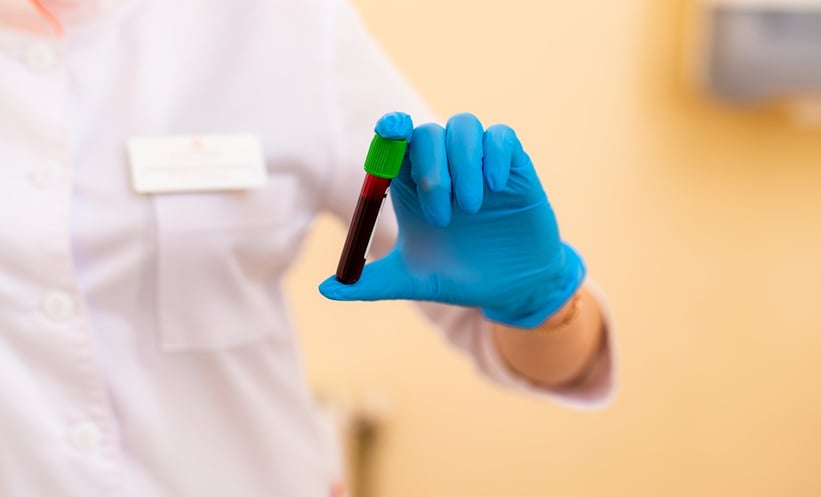
Bloodstream infections (BSIs) represent a grave threat globally, and nowhere is this more acutely felt than in India. Sepsis, often a direct consequence of untreated BSIs, claims millions of lives annually, placing immense strain on healthcare systems. The critical window for intervention is agonizingly short, yet traditional diagnostic methods, primarily blood cultures, often take days to yield results. This delay forces clinicians into a difficult choice: initiate broad-spectrum antibiotics empirically, risking increased antimicrobial resistance (AMR), or wait, potentially compromising patient survival. Rapid Diagnostic Tests (RDTs) are emerging as a beacon of hope, promising to revolutionize how we identify and combat these deadly infections.
The Critical Race Against Time: Why RDTs Matter in India
India’s healthcare landscape, marked by diverse socioeconomic factors, a high burden of infectious diseases, and alarming antimicrobial resistance, critically needs faster diagnostics. Many hospitals, especially in semi-urban and rural areas, lack sophisticated microbiology laboratories, relying on basic culture facilities or external referrals, further prolonging turnaround times. When sepsis is suspected, every hour counts; delayed appropriate antibiotic therapy drastically increases mortality. The current reliance on empirical treatment, though often necessary, significantly fuels India’s escalating AMR crisis. RDTs offer the potential to quickly identify the causative pathogen and its resistance profile, enabling targeted therapy much earlier. This shift from “guesswork” to “guided therapy” could drastically improve patient outcomes and alleviate pressure on India’s healthcare infrastructure.
Exploring the Arsenal: Diverse Approaches to Rapid Diagnostics
The quest for a perfect BSI diagnostic has spurred the development of various RDT platforms. One prominent category involves molecular diagnostics, primarily Polymerase Chain Reaction (PCR)-based tests. These methods directly detect bacterial or fungal DNA/RNA from a blood sample, offering high sensitivity and specificity within hours, identifying multiple common pathogens and resistance genes. Another approach utilizes immunoassays, detecting specific pathogen antigens or host response markers (like procalcitonin) from blood. Though often simpler and quicker, their utility for direct blood samples in BSIs can be limited by low pathogen concentrations. Furthermore, advancements in phenotypic methods applied to positive blood cultures, such as Matrix-Assisted Laser Desorption/Ionization-Time of Flight Mass Spectrometry (MALDI-TOF MS), dramatically shorten the time needed for pathogen identification and antimicrobial susceptibility testing (AST). While not direct-from-blood, they accelerate the crucial step of guiding therapy, turning days into hours. Each technology brings us closer to a rapid, accurate answer, but a holistic solution for all settings remains elusive.
The Pursuit of Perfection: Challenges and the Path Forward
Defining the “perfect” BSI RDT involves a complex matrix of criteria: high sensitivity and specificity, detection of diverse pathogens and resistance mechanisms at low concentrations directly from whole blood, and a turnaround time under an hour. Crucially, it must also be affordable, user-friendly, and scalable for varied healthcare settings. In India, the high initial cost of many advanced RDT platforms remains a significant barrier. Moreover, the genetic diversity of Indian pathogens and local AMR patterns necessitate robust validation for global solutions to be effective. Dr. Anjali Sharma, a leading infectious disease specialist based in Mumbai, emphasizes, “For RDTs to truly impact India, they must be affordable, accessible, and seamlessly integrated into our existing workflows, especially where microbiology expertise is scarce. We need solutions that work across all levels of care, not just tertiary hospitals.” The future likely lies in synergistic approaches, combining rapid identification with faster susceptibility testing and integrating artificial intelligence. Research continues to push boundaries, exploring microfluidics, nanotechnology, and novel biomarker discovery. The journey towards the ideal BSI RDT is ongoing, but each step brings us closer to diagnosing and treating sepsis with unprecedented speed and precision.
Rapid Diagnostic Tests hold transformative potential for managing bloodstream infections and combating antimicrobial resistance in India. By dramatically reducing the time from suspicion to targeted treatment, RDTs promise to save lives, shorten hospital stays, and preserve our antibiotic arsenal. While challenges related to cost, infrastructure, and validation persist, continuous innovation offers immense hope. A concerted effort involving researchers, manufacturers, policymakers, and healthcare providers is essential to ensure these groundbreaking technologies reach every patient who needs them, ultimately reshaping the fight against bloodstream infections across the nation.

