


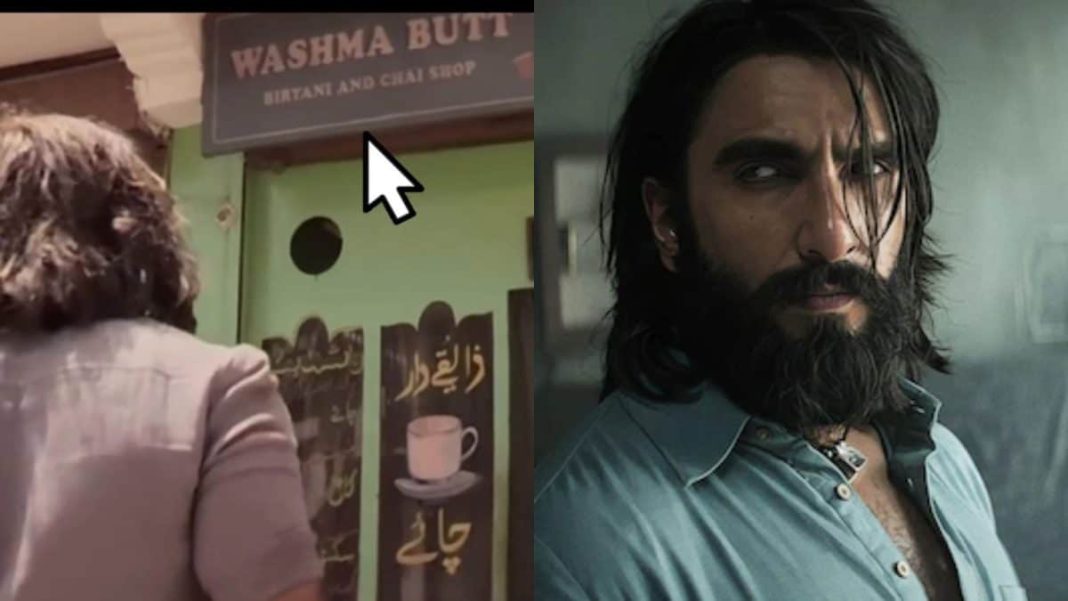
Bollywood’s penchant for weaving contemporary cultural references into its narratives often creates delightful surprises for audiences. Ranveer Singh’s latest outing, Dhurandhar, is no exception, but it has truly outdone itself with a particularly unexpected and universally recognized nod. In a scene that has quickly become a talking point across social media, the film reportedly features a direct, subtle yet unmistakable reference to Pakistan’s viral meme sensation, Washma Butt. This clever inclusion not only highlights the borderless nature of internet culture but also demonstrates the pulse of modern Indian cinema in connecting with its digitally savvy audience.
The Dhurandhar Scene That Echoes a Viral Sensation
The moment in question, which has sent fans into a frenzy, appears during a crucial dramatic sequence in Dhurandhar. While exact dialogue spoilers are being carefully guarded to preserve the viewing experience, reports and social media chatter indicate that a character, believed to be Ranveer Singh’s protagonist, expresses a sentiment of extreme exasperation or despair that uncannily mirrors the iconic “Oh bhai, maro mujhe maro” reaction of Washma Butt. The context of the scene is said to involve a moment of utter defeat or frustration, making the reference perfectly poignant and relatable for anyone familiar with the original meme.
For those unfamiliar, Washma Butt rose to viral fame in 2019 following a cricket match between Pakistan and Australia during the ICC Cricket World Cup. Visibly distraught by Pakistan’s performance, her emotional interview featuring the now-iconic lines, “Oh bhai, maro mujhe maro! Maar do mujhko, khatam karo!” (Oh brother, hit me, hit me! Kill me, finish me!) became an instant global meme. Her raw, unfiltered reaction transcended geographical boundaries, resonating with anyone who has ever felt the sting of disappointment. To see this moment, born from a sporting heartbreak in Pakistan, subtly integrated into a mainstream Indian film like Dhurandhar, speaks volumes about the unifying power of internet culture.
Bridging Borders Through Pop Culture References
This particular reference in Dhurandhar goes beyond mere comic relief; it’s a significant moment for cultural exchange and digital literacy within mainstream cinema. It signals Bollywood’s increasing awareness and willingness to tap into the collective consciousness shaped by social media. Incorporating a meme originating from Pakistan, a country with often complex relations with India, showcases how humor and viral content can effortlessly cross political divides and foster a shared digital experience.
The audience reaction has been overwhelmingly positive, with many praising the filmmakers for their astute observation of current trends and their ability to inject such timely and relevant humor. It’s a testament to the film’s creators understanding their audience, which increasingly consumes content from across the globe through social media platforms. Film critic Aanya Sharma commented on the trend, stating, “Such subtle nods are a testament to how deeply internet culture has permeated mainstream consciousness. It’s a smart move to connect with an audience that lives and breathes online trends, proving that pop culture, regardless of origin, can be a universal language.” This incident highlights how viral moments from any corner of the world can find a permanent place in global pop culture, celebrated and referenced even in unexpected forms.
The Evolving Language of Indian Cinema
The inclusion of the Washma Butt meme in Dhurandhar isn’t just an isolated incident; it’s indicative of a broader trend within Indian cinema. Filmmakers are increasingly recognizing the power of social media and internet memes as a language that resonates instantly with a vast demographic, especially the youth. From trending slang to viral dance challenges, Bollywood has been gradually integrating these elements to make films more relatable, contemporary, and shareable. This approach helps create buzz, drives conversations, and often boosts a film’s viral marketing organically. It’s a strategic move that reflects the dynamic shift in how stories are told and consumed in the digital age.
This kind of meta-referencing allows films to feel more connected to the audience’s daily lives, bridging the gap between cinematic storytelling and real-world internet experiences. It’s a smart, effective way for creators to engage viewers on multiple levels, ensuring that a film’s impact extends far beyond the theatre screen and into the perpetual conversation of the digital realm.
Ultimately, Ranveer Singh’s Dhurandhar, through its clever and timely inclusion of the Washma Butt meme, has done more than just entertain. It has underscored the unifying, boundary-breaking power of digital culture and reiterated Bollywood’s evolving commitment to staying relevant in an interconnected world. This small but significant detail is a powerful reminder that laughter and shared experiences often transcend the most rigid of borders, making a meme born of disappointment a universal symbol of relatable human emotion.

