


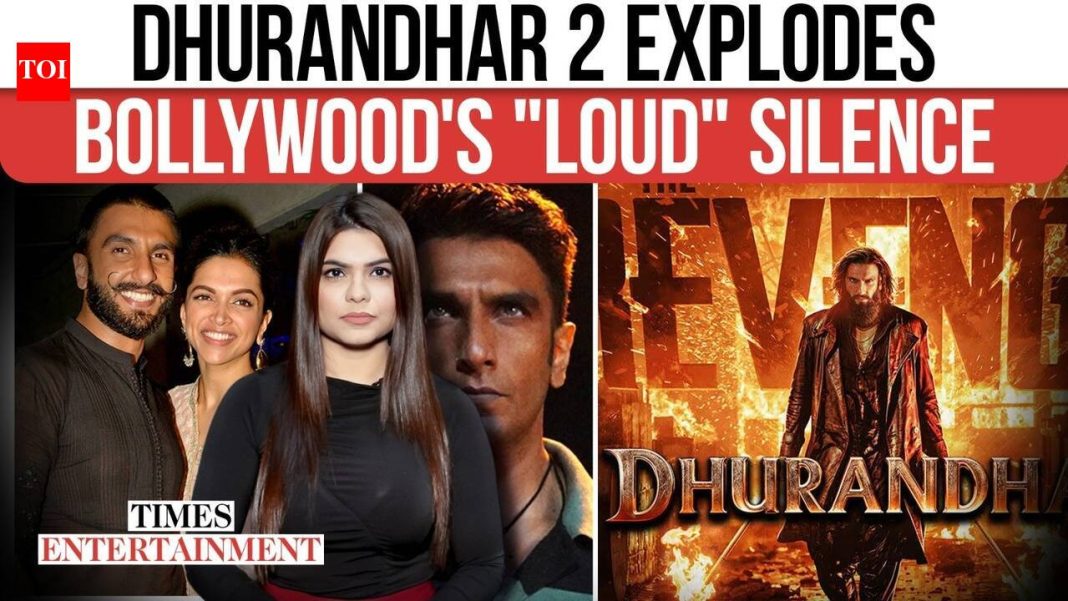
The cinematic landscape of Indian cinema is witnessing a fascinating evolution, particularly in its portrayal of complex, often morally ambiguous male protagonists. At the forefront of this discussion are two of Bollywood’s most celebrated actors, Ranbir Kapoor and Ranveer Singh, both known for their immersive performances and diverse roles. Recently, veteran filmmaker Ram Gopal Varma, known for his incisive takes on the industry, weighed in on the distinct approaches these actors bring to their intense characters, specifically contrasting Ranbir Kapoor’s much-talked-about turn in Animal with Ranveer Singh’s upcoming role in Dhurandhar. RGV’s observations offer a deeper look into how audiences perceive and engage with such challenging portrayals.
Decoding the Alpha: Ranbir’s Vijay vs. Ranveer’s Dhurandhar
Ranbir Kapoor’s performance as Vijay in Sandeep Reddy Vanga’s Animal ignited a nationwide debate, becoming a cultural phenomenon for its no-holds-barred depiction of toxic masculinity, unbridled rage, and a profound, albeit twisted, desire for paternal validation. Vijay was a character who reveled in his aggression, a possessive, larger-than-life figure whose actions, while shocking, resonated with a segment of the audience captivated by his raw power and audacity. He was a symbol of unchecked alpha male energy, presented with a controversial blend of theatricality and visceral impact.
On the other hand, Ranveer Singh is set to star in Dhurandhar, the Hindi adaptation of the critically acclaimed Marathi film Mulshi Pattern. This film delves into the gritty realities of land acquisition, displacement, and the subsequent rise of farmer-turned-gangsters in rural Maharashtra. Ranveer’s character, expected to embody the desperation and simmering anger of those pushed to the brink, promises a portrayal rooted in socio-economic realities rather than a fantastical power trip. His journey is anticipated to be one born out of systemic injustices, transforming him into a formidable figure driven by circumstance.
RGV’s Insight: The ‘Look Up To’ Differentiator
Ram Gopal Varma’s core observation zeroes in on the audience’s psychological engagement with these characters. He elucidated his point, stating, “You don’t look up to Ranbir Kapoor’s character in Animal. You just get fascinated by him, perhaps even admire his audaciousness on a subconscious level. But Ranveer Singh’s character in Dhurandhar, you will understand him, relate to his struggles, and perhaps even pity him, but you wouldn’t aspire to be him.” This distinction is crucial. RGV suggests that while Vijay’s character might, for some, tap into a problematic fantasy of power and control, Ranveer’s portrayal will likely evoke empathy and a stark recognition of harsh realities, rather than aspirational admiration.
Ranbir’s Vijay, despite his violent excesses, operates in a world that, for all its darkness, feels somewhat removed from the mundane, almost a hyper-stylized action fable. His aggression is a spectacle. Conversely, Ranveer’s character in Dhurandhar is expected to be a product of his environment, a reflection of societal fissures. The narrative aims to make the audience understand why such a character emerges, rather than celebrating his path. This difference in narrative intent significantly shapes audience perception – one invites a certain awe or dark fascination, the other, a deeper, perhaps more uncomfortable, understanding.
Beyond the Characters: Actor’s Craft and Industry Impact
Both actors bring their unique craft to these intense roles. Ranbir Kapoor’s commitment to Vijay was evident in his physical transformation and his ability to convey a volatile mix of vulnerability and savagery. His performance fueled the film’s success, demonstrating his versatility and willingness to embrace challenging, even controversial, roles. Similarly, Ranveer Singh has consistently pushed boundaries, from his menacing Alauddin Khilji in Padmaavat to the street-smart Murad in Gully Boy. His upcoming role in Dhurandhar provides another opportunity for him to delve into a raw, grounded character, showcasing his range and ability to inhabit complex emotional landscapes.
These portrayals highlight a fascinating trend in Indian cinema: the growing appetite for complex, often anti-heroic figures. RGV’s distinction between “fascination” and “understanding” is key to appreciating how these films contribute to the ongoing conversation about heroism, morality, and social commentary in mainstream entertainment. While Animal explored the dark underbelly of a privileged man’s rage, Dhurandhar is poised to shine a light on the socio-economic factors that shape individuals into unexpected figures of power. Ultimately, both films, through the captivating performances of Ranbir and Ranveer, compel audiences to confront difficult questions about human nature and societal structures.
Ram Gopal Varma’s insightful comparison not only highlights the distinct narrative approaches of Animal and Dhurandhar but also underscores the different ways in which these powerful characters are likely to resonate with audiences. It’s a testament to the evolving depth in Indian storytelling and the actors who fearlessly bring these complex narratives to life.

