


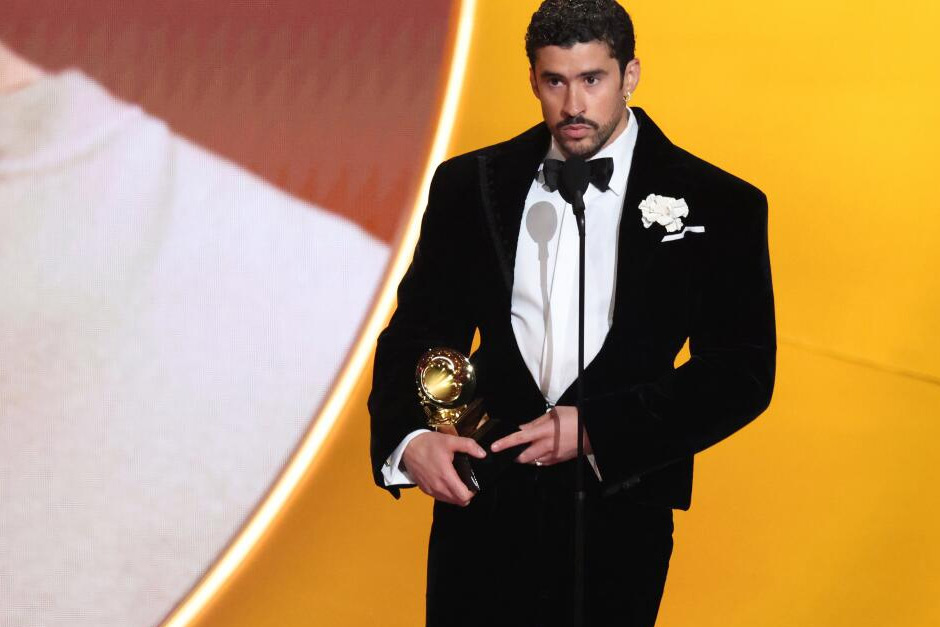
In the vibrant tapestry of global music, few artists have captured the zeitgeist quite like Bad Bunny. The Puerto Rican superstar, born Benito Antonio Martínez Ocasio, has not only dominated charts worldwide but has also carved a unique space through his unwavering authenticity. His journey culminated in a historic moment at the Grammy Awards, where he became the first Latin artist to win Album of the Year for Un Verano Sin Ti. Amidst the global acclaim and groundbreaking achievements, it’s his candid philosophy that often resonates most deeply with fans, a sentiment perfectly encapsulated in today’s “Quote of the Day”:
“I don’t want to be fake. I’m just being me. I’m being who I am.”
This simple yet profound statement cuts through the manufactured glitz of the entertainment industry, offering a refreshing perspective that speaks volumes about the artist’s character and his enduring appeal to millions, including a burgeoning fanbase in India increasingly tuned into global trends.
The Power of Authenticity in a Globalised World
Bad Bunny’s declaration, “I don’t want to be fake. I’m just being me. I’m being who I am,” is more than just a soundbite; it’s the bedrock of his phenomenon. In an era where social media often dictates public perception and artists face immense pressure to conform to commercial archetypes, Bad Bunny consistently defies expectations. He has fearlessly explored gender fluidity through fashion, advocated for LGBTQ+ rights, and championed Puerto Rican independence, all while singing predominantly in Spanish. This commitment to self, unvarnished and unapologetic, is precisely what makes his music and persona so relatable.
For an Indian audience, grappling with its own unique blend of tradition and modernity, this message of authenticity holds particular weight. Young Indians, navigating diverse cultural landscapes and global influences, often seek figures who embody self-expression and genuine identity. Bad Bunny’s refusal to be pigeonholed, his blending of genres from reggaeton to trap to pop, and his consistent embrace of his roots offer a powerful example. He demonstrates that success doesn’t necessitate assimilation but can, in fact, be amplified by a steadfast commitment to one’s true self, a valuable lesson in any cultural context.
Beyond the Studio: Bad Bunny’s Enduring Philosophy
While his music provides the soundtrack to countless lives, Bad Bunny’s quotes often offer a deeper insight into his worldview and the philosophy that guides his career. His historic Grammy win was not just a personal triumph but a monumental step for Latin music on a global stage, a responsibility he seems to carry with grace. Reflecting on his purpose, he once said, “I just want to create music that people enjoy, that makes them feel good, and that they can relate to.” This humble objective belies the colossal impact he has had, demonstrating that genuine artistic intent can connect across linguistic and cultural barriers.
Another insightful quote that encapsulates his perspective on fame and artistic integrity is: “Fame can be dangerous. It can change you. But I always try to stay grounded and remember where I come from.” This illustrates a self-awareness that is rare in the upper echelons of celebrity. It highlights his desire to remain connected to his origins and the people who supported him, a sentiment that resonates globally, including in India where artists often speak of remaining true to their roots despite international recognition. He leverages his platform not just for personal gain, but to amplify voices and issues close to his heart, showcasing a social consciousness that elevates him beyond a mere entertainer.
His quotes collectively paint a picture of an artist who understands the weight of his influence. From advocating for better representation to simply encouraging others to be themselves, Bad Bunny’s words often carry as much impact as his chart-topping hits. He embodies a new kind of global icon – one who doesn’t shy away from vulnerability or his convictions, proving that authenticity is not just a personal trait, but a powerful catalyst for change and connection in an increasingly interconnected world.
Bad Bunny’s journey is a testament to the power of staying true to oneself, a message that transcends language and geography. From the bustling streets of San Juan to the global stage, and now resonating with fans in India, his philosophy serves as a vibrant reminder that being authentically “you” is the most potent form of expression.
*

