


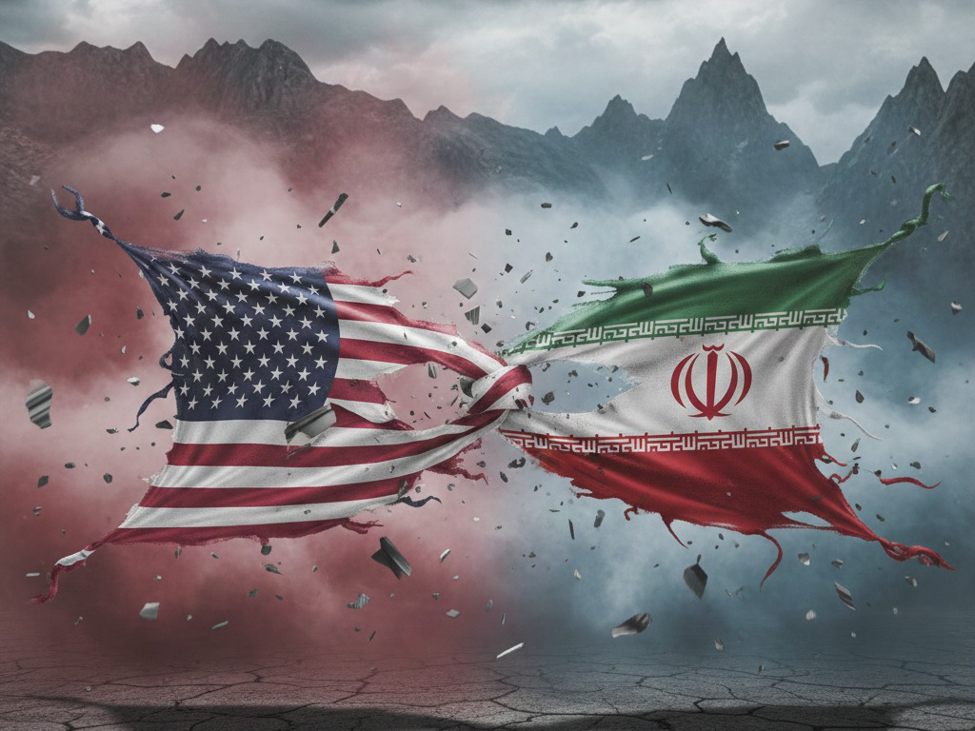
The Middle East, a region synonymous with a significant portion of the world’s energy supply, finds itself once again at the epicentre of geopolitical tensions. Amid escalating conflicts, Qatar, a pivotal global energy producer and the world’s second-largest exporter of liquefied natural gas (LNG), has issued a sobering warning. The Gulf nation cautioned that the ongoing strife could disrupt energy exports for a duration spanning weeks to months, sending ripples of concern across global markets and particularly for energy-hungry nations like India.
Qatar’s Stark Warning: A Geopolitical Tremor for Energy Markets
Qatar’s pronouncement is not merely a hypothetical concern; it is a direct acknowledgment of the tangible risks posed by an unstable region. The conflict, encompassing various flashpoints, threatens crucial shipping lanes and energy infrastructure. The Red Sea, particularly the Bab al-Mandab Strait, and the Strait of Hormuz, are vital chokepoints through which a substantial volume of the world’s oil and gas transits. Any sustained threat or disruption to these passages could impede the smooth flow of energy cargoes, leading to significant delays and increased shipping costs.
The impact of such disruptions extends beyond immediate supply shortages. It directly influences global crude oil and natural gas prices, which are highly sensitive to geopolitical developments in the Middle East. Higher energy prices translate into elevated operational costs for industries worldwide, potentially fuelling inflation and slowing down global economic growth. For countries heavily reliant on energy imports, like India, these warnings are a clarion call for strategic reassessment.
India’s Energy Security Under the Microscope
India, a rapidly developing economy, is critically dependent on energy imports to fuel its growth. The nation imports over 85% of its crude oil requirements, with a significant portion originating from the Middle East. Furthermore, its reliance on imported LNG has been steadily increasing to meet growing industrial and domestic demand. Qatar itself is a major supplier of LNG to India, making the warning from Doha particularly pertinent.
A prolonged disruption of energy exports from the Gulf would have cascading effects on the Indian economy. An immediate consequence would be a surge in India’s import bill, putting pressure on the country’s current account deficit and potentially weakening the Indian Rupee against the US Dollar. Higher global oil and gas prices would inevitably lead to increased domestic fuel costs, impacting transportation, manufacturing, and agriculture, thereby contributing to inflationary pressures across various sectors.
The government would face the challenging dilemma of absorbing these price hikes or passing them on to consumers, either way facing economic and political repercussions. While India has been bolstering its strategic petroleum reserves and diversifying its energy sources, including strengthening ties with non-Middle Eastern suppliers, the sheer volume of its energy demand means that disruptions from its primary supply region remain a significant vulnerability.
“Any prolonged disruption from the Gulf would necessitate a robust recalibration of India’s energy procurement strategies, potentially accelerating our diversification efforts and investments in renewable energy sources,” states Dr. Rohan Sharma, an energy policy analyst based in Delhi. “While our strategic reserves offer a short-term buffer, the long-term implications demand proactive diplomatic engagement and a renewed focus on domestic energy production.”
Navigating Uncertainty: The Road Ahead for India
Qatar’s warning underscores the volatile nature of global energy markets, particularly when intertwined with complex geopolitical conflicts. For India, the implications are profound, demanding a multi-pronged approach. This includes not only strengthening existing energy partnerships and exploring new avenues for sourcing but also an accelerated push towards indigenous energy production and renewable alternatives to bolster long-term energy independence.
Diplomatic engagement remains crucial, as India maintains strong relations with all major players in the Middle East. Ensuring the security of maritime trade routes, advocating for de-escalation, and participating in international efforts to stabilize the region are paramount. The coming weeks and months will test the resilience of global energy supply chains and, for India, present a critical challenge to safeguard its economic growth and energy security amidst an unpredictable global landscape.

