


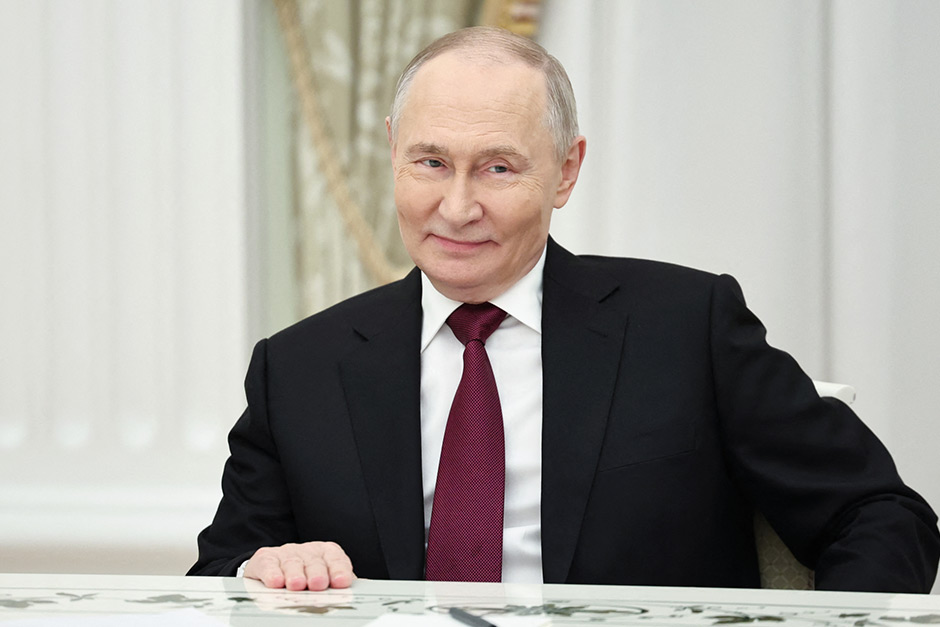
Amidst the hushed corridors of diplomacy, a stark reality often overshadows the glimmer of hope for resolution: the steadfast conviction emanating from Moscow that compromise is, for now, unnecessary. The widely held belief is that Russia’s leadership approaches talks not seeking common ground, but rather to reinforce its positions, secure in the knowledge that military victory remains an achievable, if protracted, goal. This perspective shapes not only the tone of negotiations but also the very possibility of their success, painting a picture of an unwavering leadership confident in its strategic trajectory.
The Strategic Confidence in Military Might
This isn’t merely a show of strength; it’s a posture likely born from a deep-seated strategic assessment of its own military capabilities and the perceived vulnerabilities of its adversaries. From Moscow’s vantage point, the sheer scale of Russia’s human resources, its resilient industrial base, and a demonstrated willingness to absorb significant costs suggest a belief in the long game. The calculation appears to be that a sustained effort, even if slow and grinding, will ultimately yield the desired outcomes. This confidence might stem from a number of factors: the belief that their military campaigns, despite challenges, are achieving incremental gains, or that they can outlast and out-resource their opponents in a war of attrition.
As one experienced international relations scholar, Dr. Elena Petrova, recently observed, “For Moscow, tactical setbacks can be tolerated as long as the broader strategic objective remains within reach. Their historical and geopolitical lens often prioritizes endurance and attrition over immediate, flashy victories.” This perspective underscores a leadership seemingly prepared for a protracted struggle, where the cumulative effect of military pressure is seen as paramount. The conviction that time and brute force are on their side inherently reduces the incentive for meaningful concessions at the negotiating table.
Domestic Narratives and Geopolitical Ambitions
Beyond the battlefield, the lack of flexibility in diplomatic engagements is heavily influenced by internal political dynamics. Compromise, particularly on issues deemed central to national security or territorial integrity, could be interpreted as weakness by a domestic audience consistently presented with a narrative of existential struggle and unwavering resolve. This rigid internal framework significantly curtails the room for external negotiation, as a leader perceived as yielding too much could face profound challenges to their legitimacy and authority.
Furthermore, Moscow’s stance might also reflect a broader geopolitical calculation: a gamble on the eventual waning of international support for its adversaries. The strategy could involve outwaiting patience, hoping that economic strains, political distractions, or shifting global priorities will eventually weaken the resolve of opposing coalitions. By holding firm, Russia might aim to demonstrate its steadfastness and resilience on the world stage, thereby strengthening its hand without needing to offer substantial concessions at the negotiating table. The perceived fracturing of international unity, or even just the emergence of new global crises, could be seen as opportunities to press their advantage without diplomatic give-and-take.
Ultimately, the perception that Russia’s leadership approaches diplomatic talks with an unwillingness to compromise stems from a complex interplay of factors. It’s a fusion of confidence in its military’s long-term capabilities, the imperative of maintaining domestic political legitimacy through a strongman image, and a strategic bet on the erosion of international unity against its actions. Until there’s a fundamental shift in any of these core calculations—either a decisive military setback or a significant alteration in Moscow’s internal political calculus—the path to meaningful diplomatic breakthroughs will remain exceptionally narrow. The expectation, therefore, is that negotiations will largely serve as arenas for reiterating firm positions, rather than genuine bargaining, as long as the conviction persists that ultimate military success is a certainty, however distant.

