


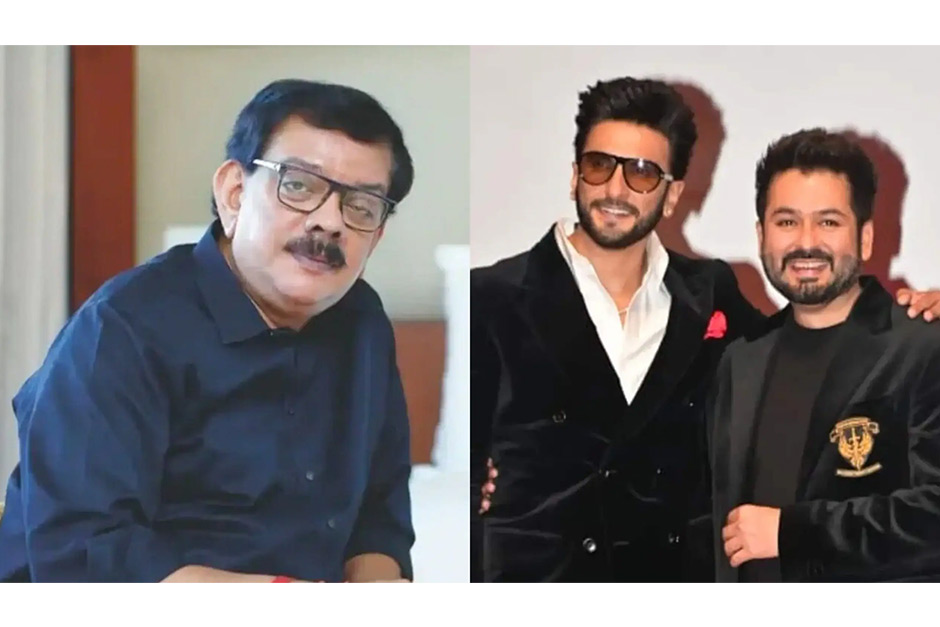
Veteran filmmaker Priyadarshan, a name synonymous with a diverse range of Hindi and Malayalam cinema, recently offered insights into the arduous journey of acclaimed director Aditya Dhar and weighed in on the contentious debate surrounding films labeled as “propaganda.” His statements, made during a recent media interaction, highlight both the struggles behind cinematic success and the complex relationship between artistic intent, public reception, and political discourse in Indian filmmaking today.
From Struggle to Stardom: Priyadarshan Recalls Aditya Dhar’s Formative Years
Priyadarshan, known for nurturing talent and offering opportunities to many in the industry, vividly recounted the early challenges faced by Aditya Dhar, the visionary director behind the blockbuster Uri: The Surgical Strike. Before achieving widespread recognition, Dhar, like many aspiring filmmakers, navigated a landscape fraught with uncertainty and rejections.
“Aditya Dhar had to struggle a lot,” Priyadarshan revealed, shedding light on a period before Dhar’s monumental success. He emphasized how Dhar’s perseverance was ultimately rewarded. Priyadarshan’s recollection serves as a reminder of the often unseen hard work and dedication that underpins the glitz and glamour of the film industry. Many aspiring artists grapple with years of struggle, honing their craft and pitching their ideas, before finally finding their breakthrough moment. Dhar’s journey from an earnest hopeful to a National Award-winning director is a testament to this enduring spirit.
Priyadarshan’s anecdote not only celebrates Dhar’s resilience but also subtly critiques the industry’s initial reluctance to embrace fresh talent. It underscores the importance of mentors and seasoned filmmakers recognizing potential, even when it’s still in its nascent stages. The director, celebrated for his empathetic storytelling, underscored that true talent eventually finds its way, often through sheer grit and an unwavering belief in one’s vision.
Navigating the “Propaganda” Debate: Priyadarshan Defends Public Acceptance
Beyond his nostalgic reflections, Priyadarshan also addressed the increasingly common discourse around films being labeled as “propaganda,” specifically referencing the debate surrounding a recent film identified here as “Dhurandhar”. This discussion often revolves around whether a film’s narrative intentionally promotes a particular political or ideological viewpoint, especially when dealing with sensitive historical or socio-political subjects.
Priyadarshan’s stance on this issue was direct and rooted in the principle of public reception. He argued that if a film resonates with a significant portion of the audience and achieves widespread acceptance, then the accusations of it being mere propaganda become less significant. His exact words encapsulated this perspective: “If majority of India has accepted it, then who are we to say it is propaganda?”
This statement brings to the forefront a critical question about the role of critics versus the collective voice of the audience. In a diverse nation like India, where cinematic experiences often transcend mere entertainment to become cultural and political talking points, audience validation can often override critical skepticism. Priyadarshan implies that the box office success and emotional connect a film establishes with its viewers are powerful indicators of its impact and legitimacy, regardless of how it might be perceived by a segment of critics or political commentators.
The veteran director’s perspective also touches upon the inherent subjectivity in artistic interpretation. What one person perceives as a factual representation, another might view as a biased narrative. However, when a film manages to strike a chord with millions, as seen with several recent productions addressing nationalistic themes, its status often elevates beyond a mere cinematic piece, becoming a cultural phenomenon. Priyadarshan’s defense posits that such widespread acceptance suggests a deeper resonance with the prevailing sentiments or understandings within society, making the “propaganda” label less definitive.
The Art of Filmmaking vs. Public Perception in a Divided Landscape
The debate surrounding films like Dhurandhar highlights the evolving landscape of Indian cinema, where storytelling increasingly intersects with national identity, historical revisionism, and political ideologies. Filmmakers today navigate a tightrope, balancing creative freedom with potential scrutiny from various factions. Priyadarshan’s comments serve as a valuable contribution to this ongoing conversation, emphasizing the democratic power of the audience.
His argument suggests that while intellectual discourse and critical analysis are crucial, the ultimate judgment of a film’s impact and message, especially in a popular medium, often rests with the people who consume it. For Priyadarshan, a film’s ability to connect with the ‘majority’ signifies its success in conveying its intended message, or at least in tapping into a collective sentiment, irrespective of how some might categorize its political leaning.
Conclusion
Priyadarshan’s recent remarks offer a dual perspective on the Indian film industry: a poignant reminder of the struggles faced by talent like Aditya Dhar before achieving success, and a robust defense of audience reception as the ultimate arbiter in the “propaganda” debate. His insights underscore that behind every successful film lies a journey of perseverance, and in the current socio-political climate, the audience’s verdict holds significant weight in shaping the narrative around controversial cinematic works. As Indian cinema continues to evolve, these dialogues become crucial in understanding the complex interplay between art, politics, and public opinion.

