


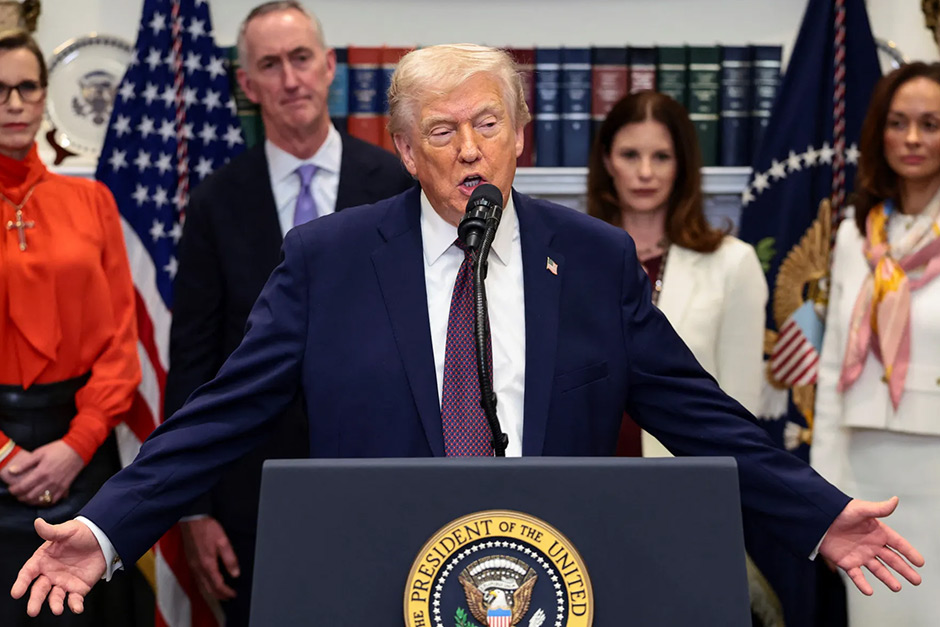
The soaring cost of prescription drugs has long been a source of frustration and financial strain for millions of Americans. It’s a debate that transcends political lines, touching every household. Now, President Trump has announced what his administration describes as its most comprehensive and aggressive effort yet to fundamentally reshape the pharmaceutical landscape and secure significantly lower drug prices for the nation’s consumers.
A Bold New Strategy Unveiled
This latest initiative is not merely a tweak but a multi-pronged assault on the high prices that have become a hallmark of the American healthcare system. At its core, the strategy aims to dismantle existing barriers, foster greater competition, and empower consumers. The administration has laid out several key policy directives intended to achieve these goals.
One of the most significant proposals involves facilitating the safe importation of cheaper prescription drugs from other countries, particularly Canada. This move challenges decades-old resistance from the pharmaceutical industry, which has long argued against such measures citing safety concerns. The administration’s plan would create pathways for states, pharmacies, and even wholesale distributors to import drugs, potentially introducing a significant new source of lower-cost medications into the U.S. market.
Furthermore, the effort includes executive orders designed to lower the price of insulin and other critical drugs for patients in federally qualified health centers, ensuring discounts are passed directly to patients. Another directive focuses on reforming the rebate system, aiming to remove incentives that encourage higher list prices for drugs. These rebates, often negotiated between drug manufacturers and pharmacy benefit managers (PBMs), are frequently criticized for inflating the initial sticker price of medications, even if some of the savings are passed on later.
The administration also signaled an intention to link drug prices in the U.S. to the lower prices paid in other developed nations, an approach sometimes referred to as an “international pricing index.” This highly controversial concept could fundamentally alter how drug prices are set in the U.S., leveraging the pricing power of other countries to reduce costs for American consumers.
The Stakes and the Skeptics
The ambition behind this push is undeniable, promising relief for patients grappling with unaffordable medications. For many Americans, particularly those with chronic conditions, the difference between current prices and potentially lower ones could be life-changing, alleviating a significant financial burden and improving access to essential treatments. The promise of increased competition and transparency could also drive innovation in more cost-effective ways.
However, efforts to curb drug prices have historically faced formidable opposition, and this initiative is no different. Pharmaceutical companies are powerful lobbyists and are expected to mount a robust defense of their current pricing structures, citing research and development costs as justification for high prices. Legal challenges are also anticipated, particularly regarding drug importation and international pricing benchmarks.
The success of these measures will hinge not only on their implementation but also on their ability to withstand industry pressure and potential legislative battles. As Dr. Evelyn Reed, a healthcare economics expert, commented, “This isn’t just about tweaking a few regulations; it’s a direct challenge to the fundamental business model of a multi-billion dollar industry. The administration is signaling a serious intent to disrupt the status quo, but the path to achieving truly lower prices for all Americans will be complex and undoubtedly contentious.”
Looking Ahead
President Trump’s latest announcement marks a significant escalation in the ongoing battle against high prescription drug prices. It represents a bold attempt to leverage executive power to force changes in an industry long resistant to reform. While the ultimate impact and timeline for these changes remain to be seen, the initiative underscores a clear commitment to making healthcare more affordable and accessible for everyday Americans. The coming months will reveal just how transformative this effort truly becomes.
—

