


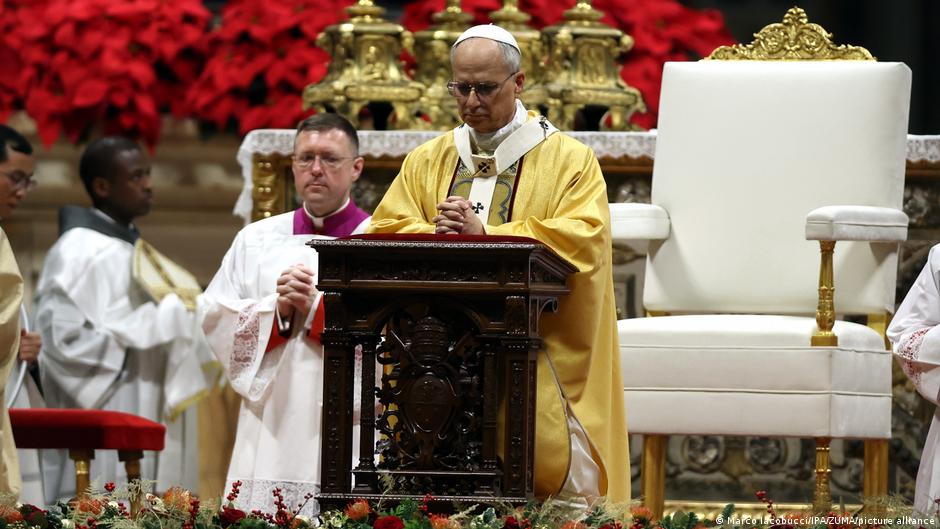
Pope Leo, known for his thoughtful approach to global challenges, delivered a truly memorable and poignant message during his very first Christmas Mass, capturing the attention of millions worldwide. While the festive season often brings sermons of peace and hope, this year, the Holy Father didn’t shy away from confronting a stark reality he termed a “distorted economy.” It was a powerful and unequivocal call to action, reminding us all that the spirit of Christmas extends far beyond the nativity scene, urging a deep reflection on our shared economic responsibilities.
A Challenging Christmas Message
From the grandeur of St. Peter’s Basilica, Pope Leo’s words resonated with an urgency that cut through the celebratory atmosphere. His critique wasn’t abstract; it focused on how current economic systems fail the most vulnerable, creating vast disparities and fostering a culture of excess for some while others are left struggling. He spoke of the ethical imperative to reassess an economy that often prioritizes profit over people, accumulation over community, and power over compassion.
The concept of a “distorted economy,” as articulated by Pope Leo, points to systemic issues where market forces, unchecked by moral considerations, lead to inequality, exploitation, and environmental degradation. He highlighted how such distortions undermine human dignity, turning individuals into mere cogs in a machine rather than valuing their inherent worth. It was a direct challenge to the comfortable narratives often surrounding global commerce, pushing listeners to consider the profound human cost of systems that forget the poor and marginalized.
The Call for Human Dignity and Shared Prosperity
Beyond the critique, Pope Leo also offered a vision for a more just and humane economic order. He emphasized that a truly thriving economy should serve humanity, not dominate it. His message underscored themes of solidarity, the universal destination of goods, and the need for economic policies that champion the common good. He urged leaders and citizens alike to foster systems rooted in justice, compassion, and a profound respect for every individual’s dignity, especially during a time meant to celebrate the humble beginnings of Christ.
This isn’t merely a religious sermon; it’s a global call for ethical reflection on how we organize our societies and distribute resources. It compels us to consider how our choices, both individual and collective, either perpetuate or challenge these economic distortions. As one listener, Dr. Anya Sharma, a professor of ethics, reflected, “Pope Leo’s message isn’t just about faith; it’s a profound reminder of our collective moral obligation to build economies that uplift everyone, not just a select few. It challenges us to look beyond GDP numbers and see the faces behind the statistics.” His words resonate as a stark reminder that true prosperity is measured not by wealth alone, but by the well-being and inclusion of all.
Pope Leo’s inaugural Christmas Mass address wasn’t just a moment of spiritual reflection; it was a powerful statement on the pressing moral challenges facing our world. By boldly calling out the “distorted economy,” he has set a clear direction for his papacy, signaling a profound commitment to social justice and human dignity. This message serves as a significant prompt for dialogue and action, inviting us all to critically examine the economic structures that shape our lives and strive for a more equitable and compassionate world, a world truly reflective of the spirit of Christmas.
What are your thoughts on Pope Leo’s message? How do you think we can work towards a more just economy? Share your insights in the comments below!

