


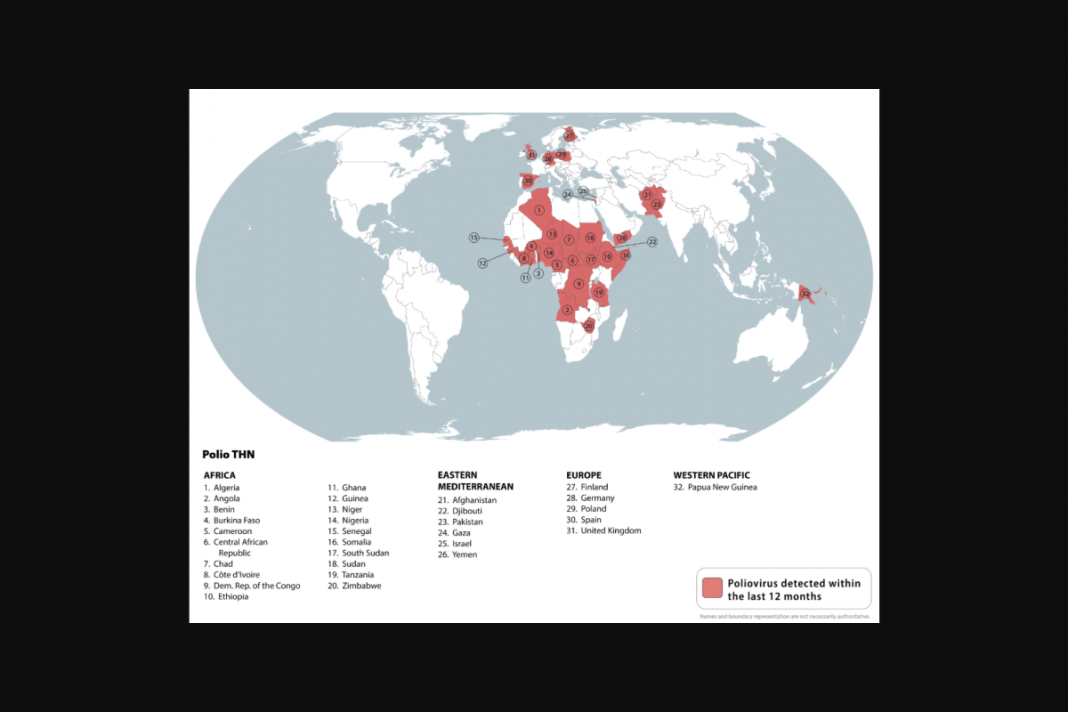
India’s journey to becoming a polio-free nation in 2014 stands as one of the most remarkable public health achievements of our time. It was a testament to decades of relentless efforts, extensive vaccination drives, and robust surveillance. Yet, even after such a monumental victory, the discussion around polio vaccine policies remains dynamic and critical. The debate today isn’t about whether to vaccinate, but rather how to sustain this triumph, adapt to evolving global strategies, and ensure future generations remain protected from the debilitating disease.
Maintaining the Polio-Free Status: A Constant Vigil
While India celebrates its polio-free status, the global fight against the virus is not yet over. Wild Poliovirus (WPV) still circulates in Afghanistan and Pakistan, posing a continuous threat to India through cross-border migration. This proximity necessitates an extremely high level of vigilance and adaptive policies within India’s public health framework. The primary goal of current policies is to fortify the country’s defenses against any reintroduction of the virus and manage the risks associated with vaccine-derived polioviruses (VDPVs).
India’s strategy has been multifaceted, focusing on robust environmental surveillance, rapid response mechanisms, and maintaining consistently high immunization coverage. The debate often centers on the efficacy and long-term implications of various vaccine types, particularly as global eradication efforts move towards a final endgame strategy orchestrated by the World Health Organization (WHO).
The Evolving Vaccine Landscape: OPV vs. IPV
At the heart of the policy debate lies the choice between two primary types of polio vaccines: the Oral Polio Vaccine (OPV) and the Inactivated Polio Vaccine (IPV). Each has distinct advantages and disadvantages that influence policy decisions.
OPV, administered as drops, is affordable, easy to deliver in mass campaigns, and provides excellent intestinal immunity, which is crucial for preventing the spread of the virus within communities. However, because OPV contains a live, attenuated (weakened) virus, there’s a rare risk of vaccine-associated paralytic polio (VAPP) or the possibility of the vaccine virus reverting to a virulent form and causing circulating vaccine-derived poliovirus (cVDPV) in under-immunized populations.
IPV, on the other hand, is an injected vaccine containing an inactivated virus. It is incredibly safe, with no risk of VAPP or cVDPV, and offers strong individual protection against paralysis. Its drawbacks include higher cost, the need for trained health workers for administration, and lesser intestinal immunity compared to OPV, meaning an IPV-vaccinated individual could still potentially carry and shed WPV if exposed, though they would not fall ill.
India, aligning with the global polio eradication strategy, transitioned from trivalent OPV (which contained all three serotypes) to bivalent OPV (bOPV, targeting types 1 and 3) in 2016 and simultaneously introduced IPV into its routine immunization schedule. This strategic shift aims to leverage the benefits of both vaccines while mitigating the risks. “India’s journey from polio endemic to polio-free is a global benchmark,” says Dr. Alok Sharma, a prominent public health expert. “But maintaining this status requires constant vigilance, adaptable policies that balance efficacy and safety, and a deep understanding of evolving viral threats and vaccine technologies. The ongoing debate reflects a commitment to the highest public health standards.”
Strategic Imperatives and Future Trajectories
The policy discussions are not static; they continuously adapt to new scientific insights and global developments. Future policies will likely involve further refinements in the combined use of bOPV and IPV, potentially exploring new novel OPVs that are genetically more stable and less prone to reversion. Ensuring adequate cold chain infrastructure for IPV, maintaining high vaccine coverage across all demographics, and enhancing surveillance systems to detect even a single case of paralysis are paramount.
The financial implications of these evolving strategies are also a significant part of the debate. Moving towards more IPV-centric programs, while safer, can be more expensive and resource-intensive for a large nation like India. Thus, policy formulation involves a careful balancing act between public health imperatives, logistical challenges, and economic realities. India’s unwavering commitment to a polio-free future remains the driving force behind these critical policy debates, ensuring that the legacy of eradication is not only preserved but strengthened for generations to come.

