


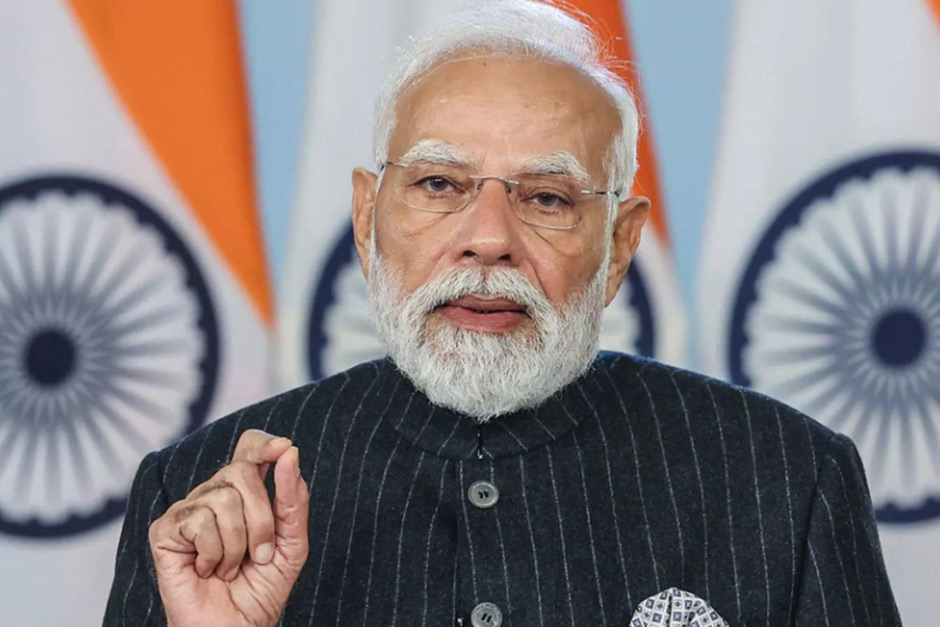
New Delhi – Prime Minister Narendra Modi recently underscored the critical need for sustained vigilance against Left Wing Extremism (LWE), commonly known as Maoism or Naxalism, during a pivotal interaction with chief secretaries from across the country. The Prime Minister’s firm directive to ensure there is no relapse of Maoism reflects the government’s strategic focus on internal security and the consolidation of significant gains made against the insurgency over the past decade. This emphasis highlights a proactive approach, acknowledging that despite substantial improvements, the threat requires continuous administrative and security attention.
Consolidating Gains: A Decade of Decline in LWE
India has witnessed a dramatic reduction in the footprint and intensity of LWE activities over the past ten years. Government data consistently indicates a steep decline in incidents of violence, casualties among security forces and civilians, and a shrinking geographical spread of the insurgency. Once a formidable challenge affecting a vast swathe of central and eastern India, Maoism is now largely confined to a few pockets, primarily in Chhattisgarh, Jharkhand, and parts of Odisha and Maharashtra. This success has been attributed to a multi-pronged strategy encompassing robust security operations, accelerated development initiatives in affected areas, and effective surrender and rehabilitation policies.
The synergy between central and state forces, improved intelligence gathering, and dedicated efforts to cut off financial and logistical support for Maoist groups have been instrumental. Infrastructure development, particularly roads, bridges, and mobile towers in remote areas, has not only facilitated security force movement but also integrated previously isolated communities into the mainstream, reducing their susceptibility to extremist propaganda. The Prime Minister’s recent directive serves as a reminder that these hard-won gains are fragile and demand constant nurturing. The message to chief secretaries, as the administrative heads of their respective states, is clear: the operational and developmental momentum must not falter.
Preventing Relapse: The Role of Governance and Development
The concept of “relapse” in the context of LWE refers to the potential resurgence of Maoist activity in areas that have been cleared or where their influence has significantly waned. This can occur if governance vacuums reappear, development initiatives stall, or if the underlying socio-economic grievances that Maoists exploit are not addressed effectively. The Prime Minister’s interaction with chief secretaries underscores their pivotal role in preventing such a scenario. Chief secretaries are responsible for the overall administration of their states, including the coordination of security forces, implementation of welfare schemes, and ensuring last-mile delivery of government services.
The directive implies a renewed focus on several critical areas. Firstly, maintaining a strong security presence and proactive intelligence operations in sensitive regions is paramount. Secondly, accelerating developmental projects, particularly those related to education, healthcare, livelihood generation, and connectivity, is crucial to address the root causes of disaffection. Thirdly, ensuring effective public grievance redressal mechanisms can prevent the accumulation of local resentments that extremist groups often capitalize on. The emphasis is on building trust between the state and its citizens, demonstrating that the government is responsive and committed to their well-being.
Addressing the chief secretaries, Prime Minister Modi reportedly stated, “We cannot afford to let our guard down. The significant gains against Left Wing Extremism must be consolidated through relentless development and unwavering vigilance at the grassroots level. Any slackness will only allow the vestiges of this destructive ideology to regroup.” This statement encapsulates the twin pillars of the government’s strategy: sustained development and vigilant security, with an emphasis on local-level implementation.
Strategic Imperatives: Sustaining the Momentum
The government’s long-term vision for eradicating LWE involves more than just counter-insurgency operations. It’s about a holistic transformation of the affected regions. This includes ensuring that fundamental rights are upheld, local populations feel secure, and economic opportunities are created. Chief secretaries, by virtue of their position, are critical in orchestrating this complex interplay of security, administration, and development. They must ensure inter-departmental coordination, efficient allocation of resources, and timely execution of projects. The lessons learned from areas successfully liberated from Maoist control need to be replicated and adapted.
The Prime Minister’s directive is a clear signal that LWE remains a high-priority internal security challenge, despite the substantial progress. It is a call to action for state administrations to not rest on past laurels but to proactively work towards a future where Maoism is not just contained but permanently eradicated from the Indian landscape. The sustained efforts will determine whether the significant strides made can be fully solidified, paving the way for lasting peace and development in regions long plagued by extremism.
The path ahead involves persistent engagement with local communities, empowering local governance bodies, and ensuring that the benefits of India’s growth reach the most vulnerable and marginalized populations. Only through such comprehensive and sustained efforts can the nation truly ensure that Maoism does not relapse and that peace prevails across all its territories.

