


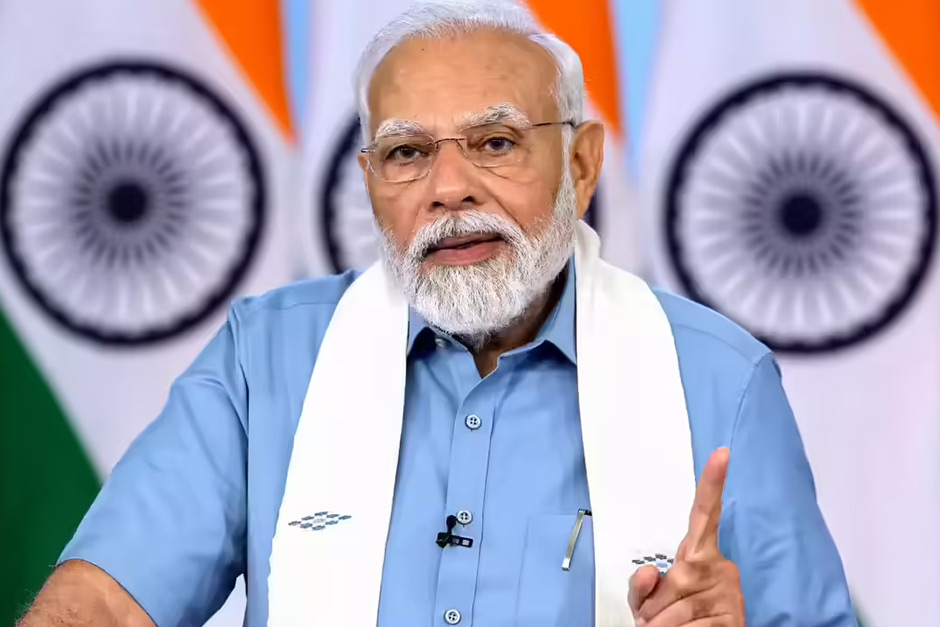
New Delhi’s extensive metro network, often regarded as the city’s lifeline, is set to expand further with the upcoming inauguration of two crucial new corridors by Prime Minister Narendra Modi. These additions are poised to significantly enhance connectivity, reduce travel times, and alleviate traffic congestion for millions of commuters across the National Capital Region (NCR). The expansion underscores the Delhi Metro Rail Corporation’s (DMRC) continuous efforts to build a robust, efficient, and sustainable public transportation system.
Connecting More of Delhi: The New Corridors
The two new sections represent strategic extensions to existing lines, designed to integrate previously underserved areas into the metro’s vast network. The first is an extension of the Grey Line (Dwarka-Dhansa Bus Stand corridor), stretching from Dhansa Bus Stand further into the southwestern reaches of Delhi. This ~5-kilometre stretch will add three new stations: Surhera, Ujwa, and Mitraon Village.
This Grey Line extension is particularly significant for the rural and semi-urban communities in this part of Delhi. Currently, residents in these areas largely rely on personal vehicles or less efficient bus services to reach the nearest metro station. The new corridor will provide a direct, high-speed link to Dwarka and, by extension, the entire Delhi Metro network, drastically cutting down commuting times and offering a much-needed alternative to road travel. It’s expected to bring considerable socio-economic benefits to the villages it now directly connects.
The second corridor is an extension of the Magenta Line (Janakpuri West-Botanical Garden corridor), extending from Okhla Vihar to Sarita Vihar. This ~3.5-kilometre section will introduce two new stations: Jamia Nagar and Sarita Vihar. The Magenta Line is already a vital east-west link, and this extension aims to further strengthen its reach in South Delhi.
The Okhla Vihar to Sarita Vihar extension will be a boon for the densely populated residential and institutional areas of Jamia Nagar and Sarita Vihar. These localities have historically faced significant traffic snarls, especially during peak hours, due to their proximity to major arterial roads like Mathura Road. With direct metro access, commuters will be able to bypass these congested routes, connecting seamlessly to key hubs like Kalkaji Mandir, Nehru Place, and onwards to both Janakpuri West and Botanical Garden.
Enhancing Commuter Convenience and Connectivity
The inauguration of these two corridors marks another milestone in Delhi Metro’s journey towards creating a truly interconnected city. The immediate and most apparent benefit for commuters will be the substantial reduction in travel time. What once took an hour or more by road, navigating through traffic, will now be completed in a fraction of that time. This improved efficiency translates to more productive time for individuals and reduced stress associated with daily commutes.
Beyond speed, the new lines will significantly improve last-mile connectivity for thousands. Residents in areas like Mitraon and Sarita Vihar will find themselves just a short walk or a quick feeder bus ride away from a metro station, making public transport a far more viable and attractive option. This seamless integration is crucial for encouraging a shift away from private vehicles, which in turn contributes to multiple positive outcomes.
Environmental benefits are also a key advantage. By drawing a significant number of commuters away from personal cars, these new corridors will help reduce vehicular emissions, contributing to cleaner air in a city that frequently battles pollution. Moreover, the decongestion of surface roads will lead to smoother traffic flow for those who still need to drive, impacting overall urban mobility positively.
“These extensions are not just about adding kilometres to the network; they are about enhancing the quality of life for Delhiites,” stated a DMRC official, speaking on condition of anonymity. “They represent a strategic investment in sustainable urban infrastructure, connecting communities, fostering economic activity, and reducing our collective carbon footprint. It’s a testament to the vision of making Delhi a truly world-class smart city.”
The expansion also promises to stimulate economic activity in the regions it connects. With easier access, businesses in these areas can expect increased footfall, and property values along the new routes are likely to see an upward trend, bringing prosperity to the localities.
The inauguration of these two new Delhi Metro corridors is more than just an infrastructural update; it’s a significant step forward in making daily life more manageable and sustainable for millions. By extending its reach into new territories and strengthening existing connections, the Delhi Metro continues to solidify its position as the backbone of the capital’s urban transportation, propelling Delhi towards a more connected and efficient future.
*

