


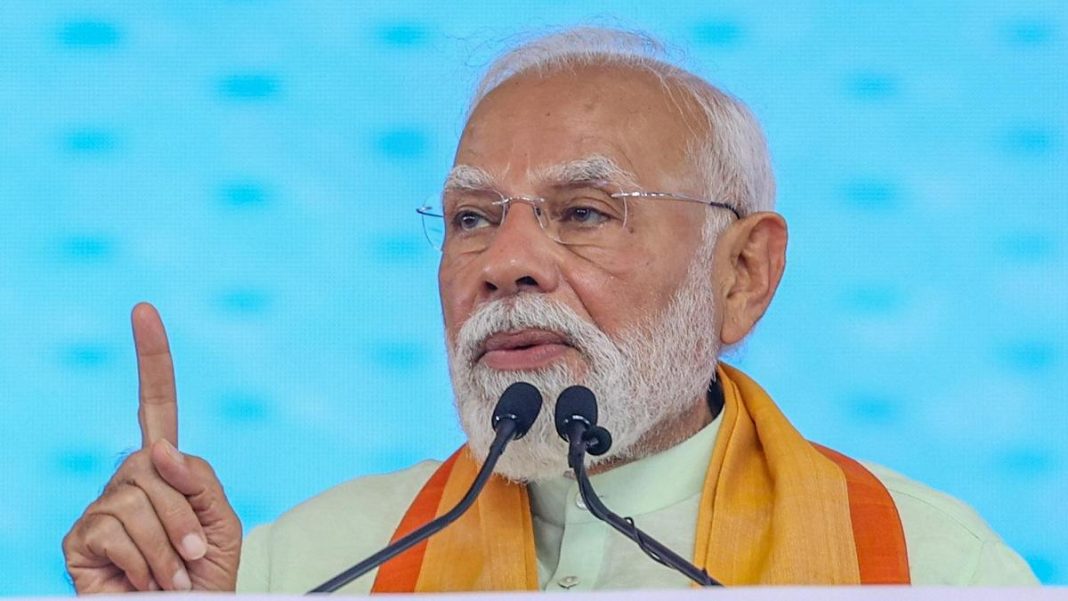
In a significant diplomatic outreach, Prime Minister Narendra Modi recently engaged in a telephonic conversation with Israeli Prime Minister Benjamin Netanyahu. The discussion, primarily focused on the evolving regional situation in West Asia, underscores India’s proactive role in promoting stability and peace in a strategically vital part of the world. The call comes amidst escalating tensions and complex geopolitical dynamics in the region, prompting global concern and a renewed push for diplomatic solutions.
India’s consistent policy approach towards West Asia has been one of balance, advocating for dialogue, de-escalation, and humanitarian considerations. This latest engagement reflects New Delhi’s commitment to maintaining channels of communication with key stakeholders and contributing constructively to regional stability.
Diplomatic Engagement Amidst Regional Tensions
The call between Prime Ministers Modi and Netanyahu was initiated to review the current state of affairs in West Asia, a region grappling with multifaceted challenges. Official readouts from both sides confirmed that the leaders exchanged views on the security situation, with particular emphasis on recent developments. For India, a nation with deep historical ties, significant energy interests, and a large diaspora in the Gulf, the stability of West Asia is paramount.
During the conversation, Prime Minister Modi reiterated India’s firm and consistent position calling for a two-state solution to the Israel-Palestine conflict, emphasizing the need for lasting peace and security in the region. This stance aligns with India’s long-standing foreign policy principles, which advocate for peaceful resolution of disputes through dialogue and respect for international law. The discussion also touched upon the imperative of ensuring humanitarian aid reaches those in need, a critical aspect of India’s humanitarian diplomacy.
“Maintaining open lines of communication with all parties is crucial for understanding the complexities on the ground and advocating for paths to peace,” stated a diplomatic source close to the developments. This call is a testament to India’s belief in active diplomacy, even in highly volatile situations. India’s ability to engage both Israel and Palestine, along with other Arab nations, positions it uniquely as a potential facilitator of dialogue, albeit indirectly.
India’s Balanced Approach and Regional Stability
India’s approach to West Asia is characterized by a delicate balance, cultivating strong bilateral relations with both Israel and several Arab states, including Palestine. This strategic autonomy allows India to voice its concerns and perspectives without being tethered to any single bloc. The Ministry of External Affairs has consistently highlighted the importance of upholding international law and ensuring the safety and security of civilians.
The telephonic discussion with PM Netanyahu also serves to reinforce India’s broader vision for a peaceful and prosperous West Asia, free from the shadow of conflict. India has consistently called for the immediate cessation of hostilities and the protection of civilian lives, advocating for the urgent and unhindered delivery of humanitarian assistance. This commitment has been demonstrated through India’s own contributions of aid to affected populations in the region.
The dialogue also underscores the growing geopolitical significance of India on the global stage. As a rising power, India’s voice carries weight, and its calls for de-escalation are seen as constructive contributions towards finding durable solutions. India’s principled stand, emphasizing the importance of sovereignty, territorial integrity, and peaceful coexistence, resonates widely.
Charting a Path Forward
The conversation between Prime Ministers Modi and Netanyahu is more than just a bilateral exchange; it is a clear signal of India’s continued engagement with the West Asian situation. As the regional dynamics remain fluid and unpredictable, India’s role as a proponent of peace, stability, and humanitarian principles becomes increasingly vital. The nation’s commitment to multilateralism and dialogue positions it as a responsible global actor capable of contributing meaningfully to complex international challenges.
Looking ahead, India is expected to continue its diplomatic efforts, leveraging its strong relationships across the region to encourage de-escalation and pave the way for a more stable future. The emphasis on dialogue and a balanced approach remains central to India’s foreign policy, aiming to protect its strategic interests while upholding its core values of peace and justice.
The diplomatic call serves as a timely reminder that even amidst intense conflict, the channels of communication must remain open, and the pursuit of peace, however challenging, must continue unabated. India, under Prime Minister Modi’s leadership, is clearly committed to playing its part in this arduous, yet essential, endeavor.

