


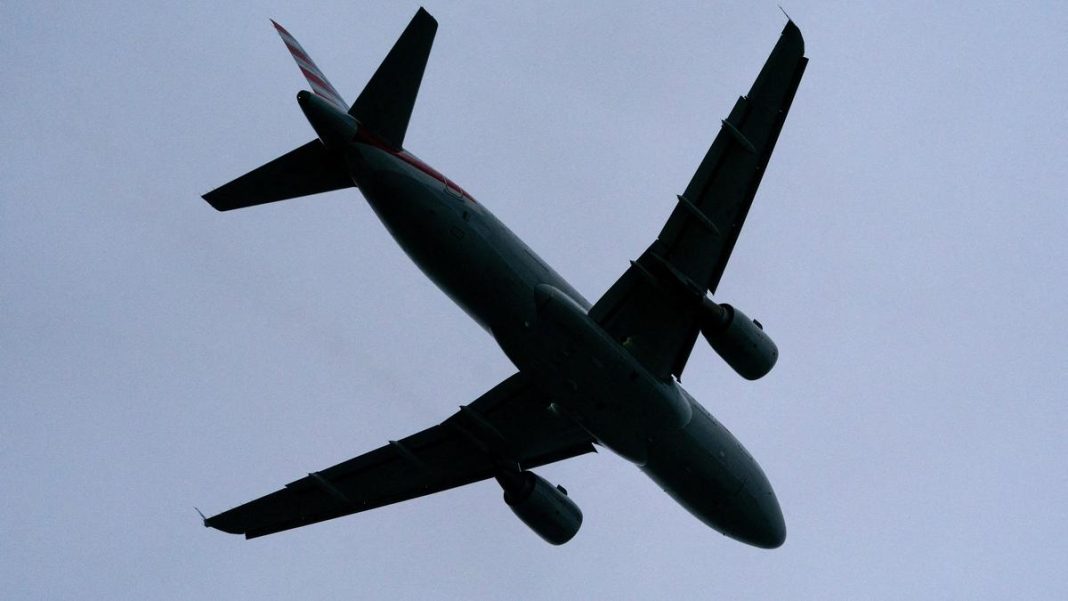
India’s burgeoning civil aviation sector, a critical artery for both commerce and connectivity, finds itself under a cloud of serious allegations. In a significant development, leading pilot bodies have formally lodged complaints with a parliamentary House panel, alleging widespread corruption within the Directorate General of Civil Aviation (DGCA) and the Ministry of Civil Aviation (MoCA). These unprecedented accusations cast a long shadow over the integrity of the regulatory framework responsible for one of the world’s fastest-growing aviation markets, raising alarms about aviation safety, operational fairness, and governance.
The complaints, submitted by various pilot associations representing commercial and general aviation pilots across the country, detail a range of malpractices. From the issuance of pilot licenses and medical clearances to the approvals granted to Flight Training Organisations (FTOs) and even internal appointments within the DGCA, the allegations point towards a systemic rot. The seriousness of these claims has prompted the House panel to initiate an inquiry, signaling a potentially tumultuous period for India’s aviation bureaucracy.
Allegations Unveiled: A Deep Dive into the Concerns
The core of the pilot bodies’ grievance revolves around what they describe as a culture of opacity and undue influence permeating critical processes. Pilots have reported instances where legitimate applications for licenses and endorsements face inexplicable delays, only to be fast-tracked through unofficial channels upon monetary consideration. Similarly, medical fitness examinations, a cornerstone of aviation safety, are alleged to be compromised, potentially allowing individuals who do not meet stringent health standards to remain in active flying duty.
Beyond individual certifications, the complaints extend to the institutional level. Pilot associations have questioned the arbitrary nature of approvals granted to new or existing FTOs, suggesting that quality and adherence to safety norms are sometimes overlooked in favour of other considerations. This not only puts the careers of aspiring pilots at risk but also dilutes the overall training standards, a fundamental requirement for safe skies. Furthermore, there are whispers of favoritism and corruption impacting promotions and crucial appointments within the DGCA, eroding morale and expertise from within the very organisation tasked with upholding aviation standards.
A senior representative from a prominent pilot association, speaking anonymously due to the sensitivity of the ongoing inquiry, voiced the frustration that many pilots feel: “The corruption is systemic, undermining the very foundations of aviation safety and fair practice. Our pilots, who are at the forefront, face immense pressure, and this has to stop. We are witnessing a clear erosion of trust in the institutions meant to protect us and the flying public.” This statement underscores the profound concern among those directly involved in flight operations, highlighting the potential consequences for India’s aviation reputation on the global stage.
A Turbulent History of Regulatory Oversight
The current allegations are not entirely new; they echo long-standing criticisms regarding the DGCA’s operational efficiency and oversight capabilities. In the past, the regulatory body has faced scrutiny from international bodies like the US Federal Aviation Administration (FAA) regarding its adherence to global safety standards. While significant strides have been made to address some of these concerns, the persistent issues highlighted by pilot bodies indicate deeper, structural challenges.
India’s aviation sector is on a steep growth trajectory, with new airlines emerging and existing carriers expanding their fleets and networks. This rapid expansion demands an exceptionally robust and unimpeachable regulatory framework. The DGCA, along with the MoCA, is responsible for ensuring that this growth is not at the expense of safety and integrity. Any compromise in this regard could have catastrophic consequences, not only for human lives but also for the nation’s economic progress and international standing.
The parliamentary panel’s decision to investigate these claims represents a critical juncture. It offers an opportunity for introspection and, more importantly, for decisive action. The credibility of India’s aviation regulatory environment hinges on how transparently and effectively these grave allegations are addressed. For a sector that thrives on precision, trust, and unwavering commitment to safety, such complaints cannot be left unexamined.
Seeking Clear Skies: The Path Ahead
Addressing these allegations will require more than just superficial changes. It demands a comprehensive review of existing procedures, an overhaul of transparency mechanisms, and stringent enforcement of anti-corruption measures. The parliamentary panel’s recommendations could potentially lead to significant reforms, including stricter accountability for officials, enhanced whistleblower protection, and a complete digitisation of licensing and approval processes to minimise human intervention and discretion.
Ultimately, the objective is to restore confidence – among pilots, airlines, passengers, and international aviation bodies – in India’s ability to maintain a world-class, corruption-free aviation ecosystem. The integrity of the DGCA and the MoCA is paramount to ensuring that India’s skies remain not just busy, but also demonstrably safe and fair. The current inquiry is a crucial step towards ensuring that the country’s aviation aspirations are built on a foundation of unblemished integrity and uncompromising safety standards.
The stakes are undeniably high. A thorough, unbiased investigation followed by prompt, corrective action is essential to safeguard the future of Indian aviation and to ensure that the journey towards becoming a global aviation hub is free from the turbulence of corruption.

