


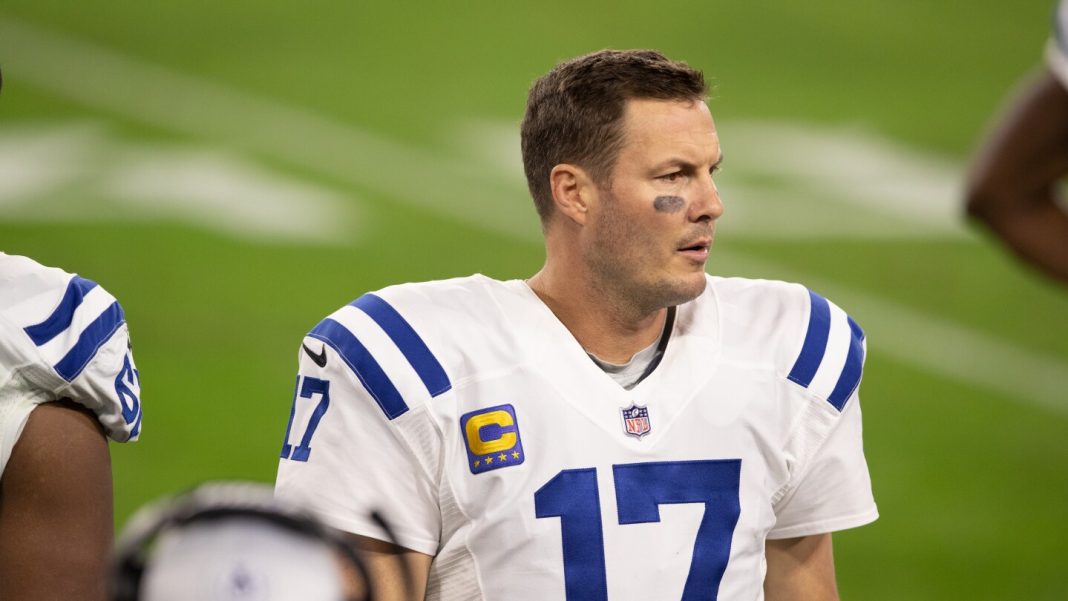
The name Philip Rivers conjures images of fierce competitiveness, ironman durability, and an impressive statistical resume spanning seventeen seasons. Since his retirement from the NFL, his potential induction into the Pro Football Hall of Fame has been a consistent topic of discussion among analysts and fans. However, recent whispers of a possible return to the gridiron introduce a fascinating new layer to this conversation. Should Rivers choose to unretire, it wouldn’t simply extend his career; it would, in essence, initiate a profound re-evaluation of his entire Hall of Fame candidacy, resetting the narrative that voters were preparing to consider.
The Established Legacy Versus an Unwritten Chapter
For most players, retirement marks the point where their professional football journey concludes, allowing their entire body of work to be assessed by Hall of Fame voters. Rivers’ career was already robust, placing him among the all-time leaders in passing yards and touchdowns. His sustained excellence, particularly his remarkable streak of consecutive starts, painted a picture of a quarterback whose consistency and productivity were undeniable. Voters would typically weigh these achievements against his lack of a Super Bowl appearance and playoff wins, forming a complete perspective.
A return, however, complicates this straightforward assessment. It opens up an unwritten chapter that could either strengthen or weaken his existing legacy. Voters wouldn’t merely add new statistics to an old sum; they would have to integrate a fresh performance period into their overall understanding of his career arc. The context of a comeback—whether it’s as a starting quarterback for a contending team, a journeyman backup, or even a short-term emergency fill-in—would critically influence how this new chapter is perceived. It’s a bold move that re-exposes a previously ‘finished’ career to the scrutiny of current performance.
The Shifting Landscape of a Comeback
The implications of an unretirement extend beyond just statistics; they impact the very narrative surrounding a player’s career. Will Rivers return to a prominent role, demonstrating that his skills remained at an elite or near-elite level, thereby bolstering his case for extended longevity and continued impact? Or will a comeback highlight a decline, potentially tarnishing the memory of his productive prime and raising questions about the timing of his initial retirement? These are not trivial considerations for Hall of Fame electors, who often value a strong final impression.
As one seasoned football analyst recently commented, “For Hall of Fame hopefuls, retirement often serves as the final brushstroke on their career portrait. A comeback, for better or worse, risks splashing new paint onto a masterpiece that voters were ready to appraise.” This perspective underscores the intricate nature of Hall of Fame voting, where perception and narrative can be as influential as raw numbers. A successful return could indeed enhance his legend, showcasing an unprecedented love for the game and sustained excellence. Conversely, a less impactful comeback might invite questions about his peak performance or, unfairly, dilute the memory of his earlier achievements. The risk is substantial because the bar for ‘success’ in this context isn’t just winning games, but performing at a level that doesn’t detract from a legacy already on the precipice of immortality.
Ultimately, while Philip Rivers’ initial career trajectory undeniably put him in the Hall of Fame discussion, any decision to come out of retirement would fundamentally reset the terms of that conversation. It would be a high-stakes gamble with an already strong legacy, forcing voters to re-evaluate his entire path with new, potentially game-changing information.

