


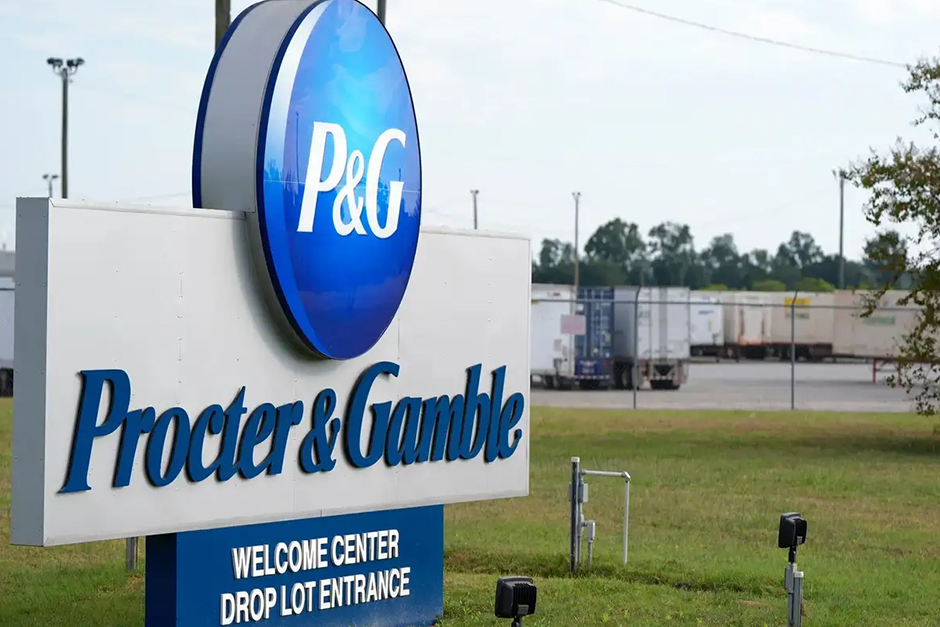
In the vast landscape of consumer goods, Procter & Gamble stands as a titan, a household name synonymous with everything from the shine on our floors to the freshness of our laundry. Recently, the company has once again demonstrated its formidable market presence, reporting financial results that surpassed analyst expectations. Yet, beneath the surface of this success story lies a more complex narrative: while the conglomerate continues to thrive overall, discerning consumers are showing signs of pulling back on certain purchases, hinting at a nuanced shift in demand for some of its beloved products.
The P&G Powerhouse Continues to Deliver
Despite persistent economic headwinds, P&G has proven its resilience, consistently exceeding financial projections. This strong performance isn’t just about brand loyalty; it’s a testament to the company’s strategic pricing power and the essential nature of many of its offerings. Brands like Tide, Pampers, and Gillette occupy a unique space in daily life, often considered non-negotiable necessities rather than discretionary splurges. P&G’s ability to navigate inflation by judiciously adjusting prices, coupled with the sheer volume and global reach of its portfolio, has kept its financial engine running robustly.
The company’s diverse product categories, spanning fabric & home care, baby & feminine care, and health care, provide a stable foundation. Even when one segment faces headwinds, others often compensate, showcasing the strength of a well-balanced portfolio designed for enduring consumer needs. This strategic diversification acts as a powerful buffer, allowing P&G to absorb market shocks better than many competitors focusing on narrower product ranges.
The Nuance of Slowing Demand
While the overall picture for P&G is bright, a closer look reveals pockets of softening demand. Consumers, grappling with the lingering effects of inflation on their personal budgets, are becoming more selective. This isn’t necessarily a rejection of P&G brands, but rather a reflection of changing purchasing habits. In some categories, particularly those considered less essential or more premium, buyers are either delaying purchases, opting for cheaper alternatives, or simply using less product.
For instance, while a family might not compromise on their baby diapers, they might think twice about a luxury skincare item or a highly specialized cleaning solution. This trend points to a broader consumer pattern of prioritizing core necessities and seeking maximum value for every dollar spent. As Sarah Chen, a seasoned consumer behavior analyst, recently observed, “Consumers are getting savvier. They’re still buying essentials, but they’re thinking twice about that premium lotion or extra cleaning product when their household budget is stretched.” This keen focus on value and necessity is reshaping demand across various industries, and even a giant like P&G isn’t entirely immune.
Navigating a Shifting Landscape
P&G’s recent performance is a story of two halves: undeniable financial strength propelled by essential brands and smart strategy, juxtaposed with a subtle but growing cautiousness among consumers in specific product areas. This situation underscores the critical importance of agility and insight. For P&G, continued success will hinge on its ability to not only maintain the appeal of its powerhouse brands but also to innovate and adapt to evolving consumer preferences in those segments facing slower demand.
Understanding where consumers are willing to spend and where they are pulling back will be key. This could mean adjusting product offerings, exploring new price points, or emphasizing the foundational value of even their more premium items. The market is always in motion, and P&G’s ability to consistently exceed expectations while wisely responding to nuanced shifts in consumer behavior will define its path forward.

