


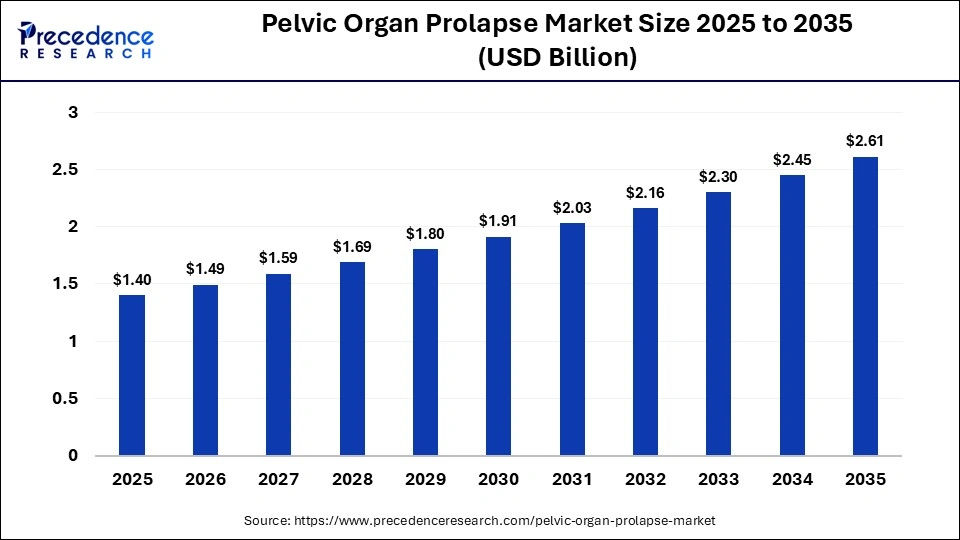
The global healthcare landscape is witnessing significant growth across various specialized segments, and women’s health is no exception. A recent market analysis projects the Pelvic Organ Prolapse (POP) market size to reach a substantial USD 2.61 billion by 2035. This remarkable forecast underscores not only the prevalent nature of this condition but also the increasing focus on advanced diagnostic tools, therapeutic interventions, and improved patient outcomes worldwide, with countries like India poised to play a crucial role in this expansion.
Understanding Pelvic Organ Prolapse and its Impact in India
Pelvic Organ Prolapse is a common yet often overlooked condition primarily affecting women, especially as they age or after childbirth. It occurs when the pelvic floor muscles and ligaments weaken, causing pelvic organs such as the bladder, uterus, or rectum to descend from their normal position into the vaginal canal. Symptoms can range from mild discomfort and a feeling of heaviness to significant pain, urinary incontinence, bowel difficulties, and sexual dysfunction, severely impacting a woman’s quality of life.
In India, the true prevalence of POP is likely underestimated due to several factors. Deep-rooted societal stigma, a lack of awareness about the condition and available treatments, and limited access to specialized healthcare, particularly in rural and semi-urban areas, often lead to women suffering in silence for years. Many women attribute their symptoms to normal aging or the consequences of childbirth, delaying seeking medical help until the condition becomes severe. However, with increasing urbanization, literacy rates, and access to digital health information, there’s a slow but steady shift towards greater awareness and a willingness to address such health concerns.
Drivers of Market Growth and the Indian Perspective
The projected growth of the POP market is propelled by a confluence of demographic, medical, and socioeconomic factors. Globally, an aging female population is a primary driver, as the risk of POP significantly increases with age. Improved life expectancy means a larger demographic group susceptible to the condition for longer periods.
In India, this demographic shift is particularly pertinent. India is home to a vast and growing elderly population, and as healthcare infrastructure continues to develop, more women are gaining access to diagnostic services and treatment options. The increasing number of institutional deliveries and improved postnatal care, while generally positive, also contributes to better identification of related pelvic floor issues.
Technological advancements in treatment modalities are another significant catalyst. Innovations in surgical techniques, including minimally invasive procedures using laparoscopic and robotic approaches, offer faster recovery times and better outcomes. The development of advanced surgical meshes, pessaries made from biocompatible materials, and non-surgical therapies like specialized physiotherapy and pharmacological interventions are expanding the arsenal available to clinicians. These developments are making treatment more accessible and less daunting for patients.
“The growth in the Pelvic Organ Prolapse market isn’t just about economic numbers; it reflects a critical shift towards prioritizing women’s pelvic health,” states Dr. Priya Sharma, a leading gynecologist based in Mumbai. “In India, we are seeing a gradual increase in women coming forward, armed with more information and expecting better care. This rise in demand, coupled with innovations in treatment, creates a significant opportunity for both healthcare providers and medical technology companies to make a real difference.”
Innovations, Challenges, and the Future Outlook
The future of the POP market looks promising, characterized by ongoing research and development. Companies are investing in creating more durable and patient-friendly implants, improved diagnostic imaging techniques, and personalized treatment plans. The role of digital health and telemedicine is also expanding, potentially bridging the geographical gap in India by offering initial consultations and follow-up support to women in remote areas.
However, challenges remain. Affordability of advanced treatments, particularly surgical options and specialized devices, can be a barrier for many in India. There’s a continued need for comprehensive training for healthcare professionals, including general practitioners and gynecologists, to accurately diagnose and manage POP effectively. Public health campaigns are crucial to raise awareness, reduce stigma, and encourage early intervention.
For India, the growing market size represents a dual opportunity: to improve the health and well-being of millions of women and to become a significant player in the global medical device and pharmaceutical market for pelvic health. Investing in local R&D, manufacturing affordable solutions, and expanding healthcare outreach will be key to unlocking this potential.
The projected growth of the Pelvic Organ Prolapse market to USD 2.61 billion by 2035 is a testament to both the pressing need for effective treatments and the advancements in medical science. For India, this trend signifies a critical juncture to enhance women’s health outcomes, foster innovation, and address a long-standing, often silently endured, health issue with proactive and accessible solutions.

