


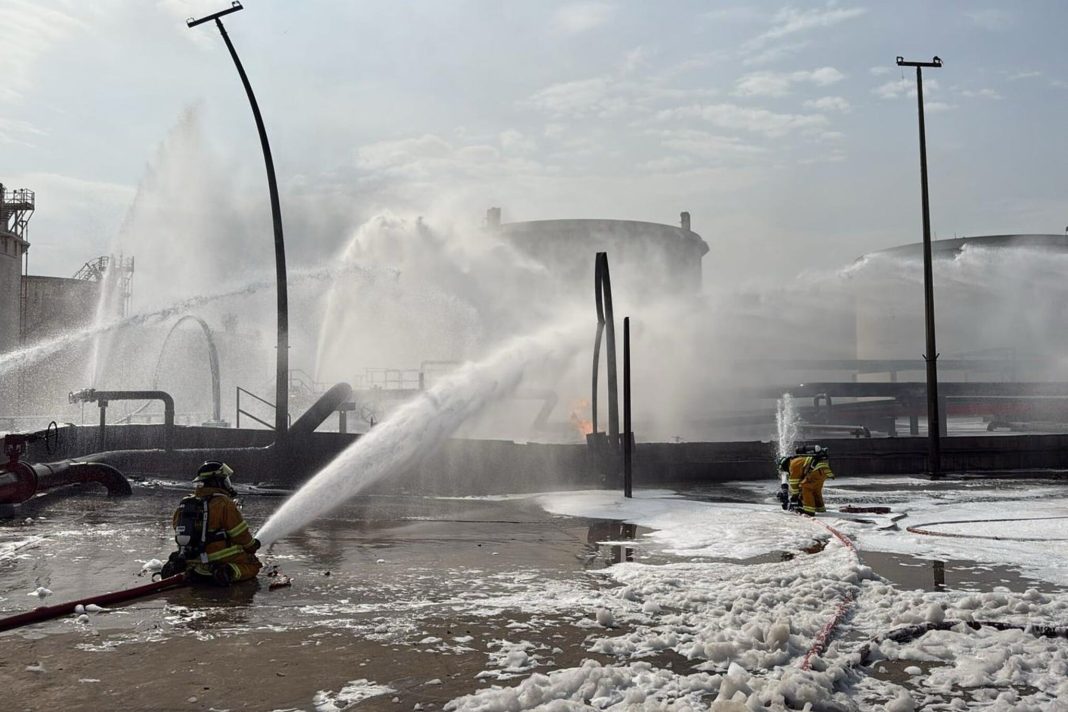
A 2018 pipeline explosion in Bahrain, swiftly attributed to Iran-backed saboteurs by regional authorities, is now under renewed scrutiny. Emerging analysis suggests that a Patriot surface-to-air missile interceptor may have been the actual cause of the blast. This potentially groundbreaking finding challenges widely accepted narratives and could significantly reshape understanding of a key moment in the already tense geopolitical landscape of the Middle East.
The Original Narrative: A Blast and Blame
On November 10, 2018, an oil pipeline near Buri village, Bahrain, erupted in flames. The incident, which caused significant disruption but no reported casualties, was immediately declared an act of terrorism. Bahraini Foreign Minister Sheikh Khalid bin Ahmed Al Khalifa and Saudi Arabia’s Energy Minister Khalid al-Falih were quick to point fingers, accusing Iran of orchestrating the attack. They alleged that the blast was part of a broader pattern of “terrorist acts” aimed at destabilizing the region.
This accusation fit neatly into the prevailing narrative of escalating regional rivalry between the Sunni-led Gulf states, particularly Saudi Arabia and Bahrain, and the Shia-majority Iran. Both nations were already engaged in proxy conflicts across the Middle East, from Yemen to Syria. The pipeline blast provided what many saw as direct evidence of Iran’s alleged campaign to undermine its neighbours, further straining diplomatic relations and hardening positions across the Gulf.
Forensic Analysis Points to a Different Culprit
However, recent independent analysis, reportedly based on open-source intelligence, satellite imagery, and forensic examination of publicly available data, has presented a starkly different conclusion. This in-depth investigation posits that the evidence points overwhelmingly towards the impact of a MIM-104 Patriot surface-to-air missile interceptor as the likely cause of the explosion.
The analysis reportedly examined blast signatures, debris patterns consistent with missile impacts, and the specific characteristics of the explosion, finding them incongruent with typical sabotage methods like improvised explosive devices (IEDs) but highly consistent with a Patriot interceptor malfunction or accidental impact. The United States maintains a significant military presence in Bahrain, including Patriot missile systems, designed to intercept incoming ballistic missiles, cruise missiles, and advanced aircraft. While no official statement from US or Bahraini authorities has confirmed or denied this new analysis, the implications are profound.
Such an incident could occur due to various reasons: an accidental launch during a test or training exercise, a malfunction during an attempted intercept, or even a missile falling to earth after a failed self-destruct sequence. The critical aspect of this analysis is that it provides a plausible, non-Iran-attributable explanation for an event that has, for years, fueled regional animosity and distrust.
“This analysis, if confirmed, underscores the critical need for meticulous forensic investigation in geopolitical incidents. Misattributing such events can escalate regional tensions unnecessarily, impacting global stability,” an unnamed South Asian geopolitical analyst observed, highlighting the far-reaching consequences of initial findings.
Geopolitical Implications and Regional Ramifications
Should this analysis prove definitive, it would necessitate a significant re-evaluation of the 2018 incident and its aftermath. For India, a nation with deep economic and strategic interests in the Gulf region, such a clarification is vital. India maintains careful diplomatic ties with all stakeholders in the Middle East, including Iran and the GCC states. Any information that either fuels or de-escalates regional tensions directly impacts India’s energy security, trade routes, and the well-being of its large diaspora in the region.
The possibility of a Patriot interceptor being responsible calls into question the veracity of initial official pronouncements and highlights the complexities of operating advanced military hardware in a densely populated and politically charged environment. It also serves as a potent reminder of how quickly narratives can be shaped in the absence of transparent and verifiable evidence, potentially leading to increased hostility and miscalculation.
The findings, if widely accepted, could ease some of the pressure on Iran, challenging one of the key data points used to portray its alleged aggression in the region. More broadly, it underscores the importance of open-source intelligence and independent analysis in scrutinizing official claims, especially in a world grappling with information warfare and rapidly evolving geopolitical dynamics.
This re-evaluation of the Bahrain blast serves as a powerful testament to the often-unseen complexities behind global events. It emphasizes the critical need for thorough, unbiased investigation to prevent misattribution that can dangerously inflame already fragile regional relations.

