


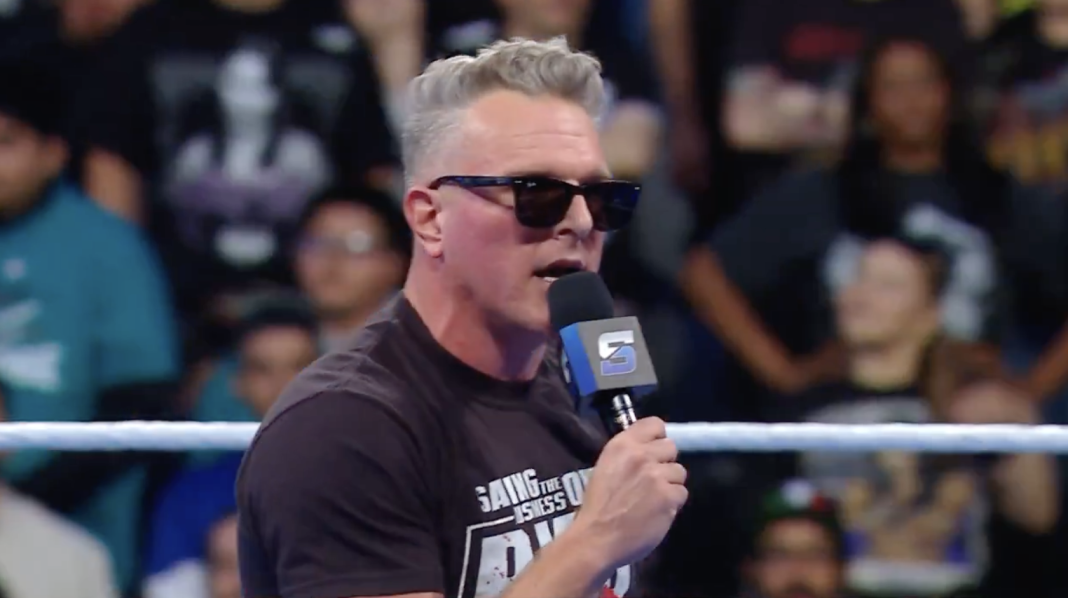
Pat McAfee is undeniably one of the most engaging personalities in sports entertainment today. His energy is infectious, his promos are electrifying, and he genuinely feels like a breath of fresh air whenever he steps into a WWE ring. However, his latest promo, while individually brilliant, inadvertently shines a spotlight on some deeper, more concerning trends within WWE itself. It’s less about McAfee’s performance and more about what his prominent placement reveals about the company’s current strategic approach.
The Celebrity Crutch and the Main Event Void
There’s a fine line between leveraging mainstream appeal and over-relying on it. While McAfee is certainly more than just a celebrity – he’s a passionate wrestling fan and a surprisingly competent in-ring performer – his consistent high-profile involvement can sometimes feel like a band-aid solution rather than a sign of a thriving main event scene. When a non-full-time talent frequently occupies significant airtime and marquee matches, it inevitably raises questions about the strength and depth of the current roster’s top-tier stars.
Are homegrown talents being given the consistent, long-term booking necessary to truly elevate them to the same level of buzz that McAfee generates almost effortlessly? Or does WWE find itself in a position where it needs an external personality to create significant buzz around major events? “It feels like they’re constantly chasing viral moments instead of investing in long-term character development for their full-time roster,” observes one long-time fan, echoing a sentiment increasingly prevalent among the wrestling faithful. This reliance on part-timers or guest stars, while sometimes beneficial, can inadvertently stunt the growth of those who are there week in and week out, vying for those top spots.
Narrative Inconsistencies and The Scramble for Cohesion
Beyond the roster depth, McAfee’s appearances often highlight a broader narrative challenge within WWE. While his charisma can sell almost any feud, the context and payoff of his programs sometimes feel disjointed from the overarching WWE narrative. Is his story truly integrated into the larger landscape, building towards something significant for multiple characters, or does it exist somewhat in a vacuum, primarily serving to create a standalone spectacle?
The company often struggles to maintain consistent storytelling across its brands and even within individual feuds. Pivots are frequent, character motivations can shift without clear explanation, and long-term planning sometimes feels secondary to immediate gratification. When a performer as dynamic as McAfee is brought in, his segments demand attention, but if those segments don’t meaningfully connect to or elevate the broader WWE universe, they can inadvertently expose the cracks in the overall booking philosophy. It suggests a reactive approach, where individual moments are prioritized over a cohesive, compelling season-long arc that builds genuine investment from the audience.
While McAfee himself delivers every single time, the circumstances surrounding his promos and matches often feel indicative of a creative team scrambling to generate buzz and fill prominent slots, rather than executing a meticulously planned vision. The result is a product that can be incredibly entertaining in bursts, but lacks the consistent, compelling narrative flow that builds lasting stars and keeps audiences deeply engaged in the long run.
Ultimately, Pat McAfee is a tremendous asset to WWE. His passion and talent are undeniable. However, the prominent way he’s currently being utilized, and the contexts in which his electrifying promos land, subtly underscore an underlying confusion in WWE’s creative direction and perhaps a touch of desperation to inject mainstream appeal when the established foundation could be stronger. It’s a testament to McAfee’s ability that he can still make it work, but it also serves as a critical mirror reflecting where WWE might need to refocus its efforts.

