


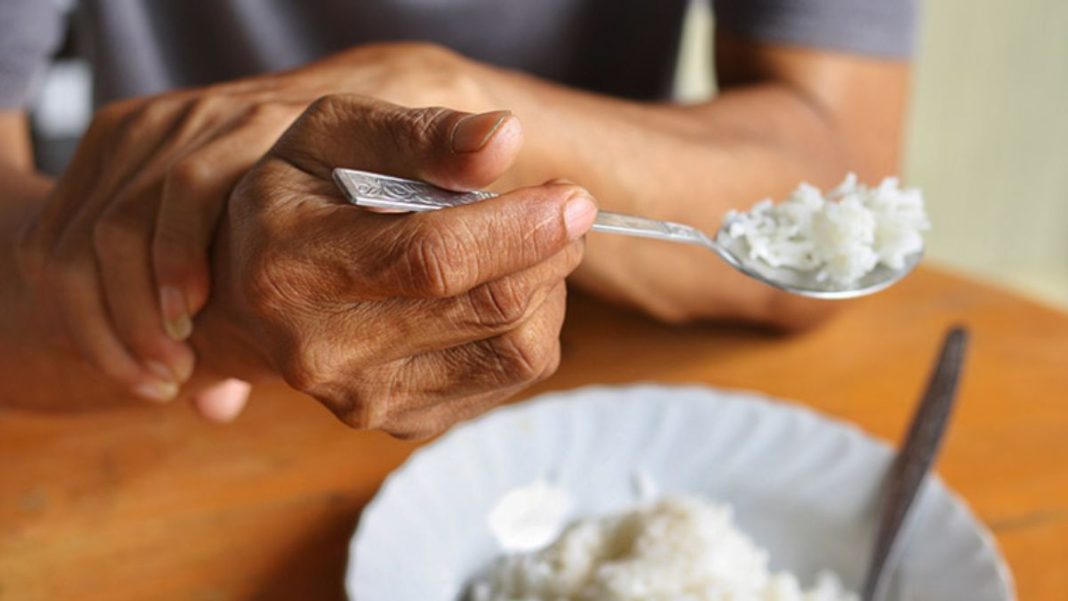
The image of Parkinson’s disease often conjures an elderly individual with a visible tremor. While it’s true that the prevalence of Parkinson’s increases with age, this common perception can be a dangerous oversimplification. In India, like many parts of the world, there’s a growing awareness that Parkinson’s isn’t exclusively an old-age ailment. A significant subset of patients develops the condition much earlier in life, often before the age of 50, a phenomenon known as Young-Onset Parkinson’s Disease (YOPD). Ignoring this reality can lead to delayed diagnosis, prolonged suffering, and missed opportunities for effective management. Youngsters and their families in India must understand the subtle early signs that demand attention, challenging the outdated stereotype of this complex neurological disorder.
Beyond Stereotypes: Understanding Young-Onset Parkinson’s Disease (YOPD)
Young-Onset Parkinson’s Disease (YOPD) is diagnosed when an individual develops symptoms before the age of 50. While less common than late-onset Parkinson’s, YOPD accounts for approximately 5-10% of all Parkinson’s cases globally. The reasons for YOPD are not fully understood, but genetic factors are believed to play a more prominent role compared to sporadic Parkinson’s that manifests later in life. This early onset can be particularly challenging as it often strikes individuals during their most productive years, impacting careers, family life, and social interactions.
For young individuals in India, the journey to a YOPD diagnosis can be fraught with misdirection. Initial symptoms are often dismissed as stress, anxiety, muscle strain from rigorous work or sports, or even attributed to other neurological conditions. The lack of widespread awareness about YOPD among both the general public and sometimes even primary healthcare providers in smaller towns and rural areas contributes significantly to these delays. Patients might spend years navigating various doctors and treatments before finally consulting a neurologist who recognizes the characteristic patterns of Parkinson’s.
“Often, we see young patients dismissing early tremors or stiffness as stress or muscle strain, delaying diagnosis significantly. Raising awareness, especially among primary care physicians and the general public, is paramount to ensure timely intervention and better outcomes for Young-Onset Parkinson’s Disease patients in India,” explains Dr. Priya Sharma, a Senior Neurologist at Apollo Hospitals, Delhi.
Subtle Clues: Early Signs Youngsters Should Never Ignore
Recognizing the early signs of Parkinson’s, particularly YOPD, is critical. These symptoms can be subtle and often progress gradually. While classic motor symptoms are the hallmark, non-motor symptoms frequently precede them by several years. Here are key indicators youngsters should be vigilant about:
Motor Symptoms:
- Unexplained Tremor: This is often the most recognized symptom, typically starting subtly in a limb, particularly at rest. It might begin as a slight trembling in a finger, hand, or foot. For young individuals, it could initially be mistaken for anxiety or caffeine jitters.
- Bradykinesia (Slowness of Movement): This involves a reduction in the speed and amplitude of voluntary movements. Tasks that were once easy, like buttoning a shirt, tying shoelaces, or even writing, become slow and difficult. A common early sign is a reduced arm swing on one side while walking or a general dragging of one foot. Handwriting might also become noticeably smaller (micrographia).
- Rigidity (Stiffness): Muscle stiffness can manifest as unexplained aches and pains, making movement difficult and reducing the range of motion. A person might feel stiff in a shoulder or hip, sometimes mistaken for arthritis or a sports injury.
- Postural Instability: While more common in advanced Parkinson’s, early balance problems, feeling unsteady, or a tendency to stoop slightly can be an early sign in some YOPD patients.
Non-Motor Symptoms (often appear years before motor signs):
- Loss of Smell (Anosmia): A significant and persistent reduction or complete loss of the ability to smell, unrelated to a cold or allergy. This often goes unnoticed or unmentioned by patients.
- Sleep Disorders: One prominent sign is REM sleep behavior disorder, where individuals act out their dreams, sometimes violently, because the usual temporary paralysis during REM sleep is absent. Excessive daytime sleepiness can also be present.
- Chronic Constipation: Persistent and unexplained constipation, not alleviated by dietary changes, can be an early indicator.
- Mood Disorders: Persistent depression, anxiety, or apathy that doesn’t respond to typical treatments can sometimes precede motor symptoms of Parkinson’s.
- Fatigue: Profound and inexplicable fatigue, disproportionate to activity levels, is a common complaint.
- Voice Changes: A softer, monotone voice (hypophonia) or difficulty articulating words clearly.
If a youngster or their family notices a combination of these symptoms, especially if they persist and progressively worsen, it warrants immediate consultation with a neurologist. Early diagnosis in YOPD is crucial not only for managing symptoms more effectively but also for planning future care, career adjustments, and maintaining a better quality of life.
Parkinson’s disease, whether early or late onset, is a progressive condition. While there is no cure, a range of treatments including medication, physical therapy, occupational therapy, and lifestyle adjustments can significantly manage symptoms and improve daily functioning. For young Indians, overcoming the stigma and challenging the conventional wisdom about Parkinson’s is the first step towards timely diagnosis and effective management. Awareness is our strongest weapon against this often misunderstood disease.

