


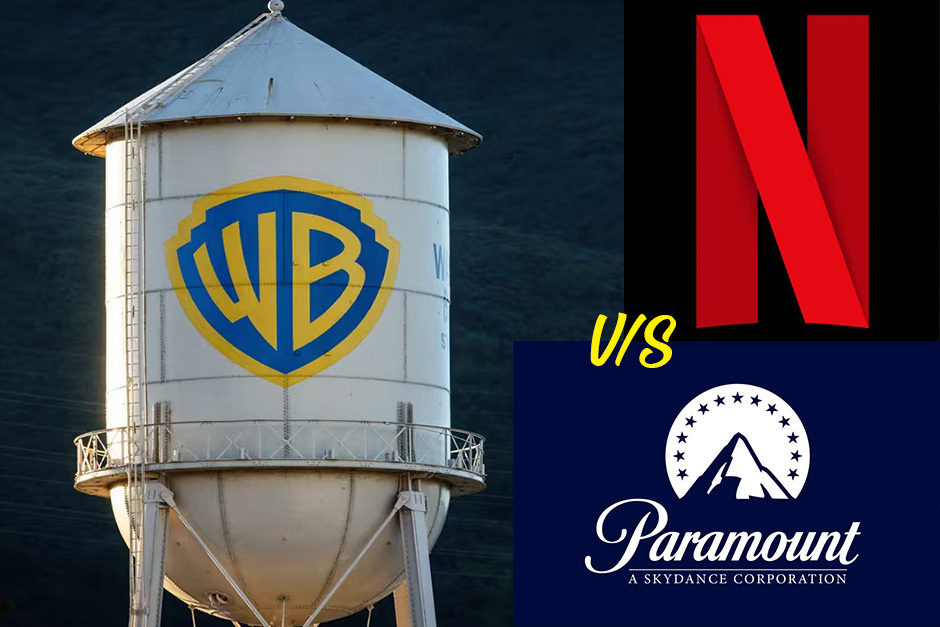
The entertainment industry is abuzz with reports suggesting a significant potential shake-up: Paramount Global is reportedly eyeing an acquisition of Warner Bros. Discovery. This rumored move, if it materializes, could redefine the landscape of streaming, film, and television, with particular attention turning to Warner Bros. Discovery’s existing content licensing agreements, notably with Netflix.
The Potential Merger: A New Entertainment Colossus?
Paramount Global, the company behind CBS, Paramount Pictures, Pluto TV, and Showtime, is a significant player in content creation and distribution. Warner Bros. Discovery (WBD) is an equally formidable entity, boasting the storied Warner Bros. studio, HBO, CNN, and a vast portfolio of unscripted content from Discovery channels, all anchored by its streaming service, Max. The idea of these two giants combining forces isn’t just about merging companies; it’s about consolidating immense intellectual property and operational scale.
Imagine the collective power: the iconic franchises of Paramount like Mission: Impossible and Star Trek joining forces with Warner Bros.’ DC universe, the Harry Potter saga, and the prestige dramas of HBO. Such a merger would create a media conglomerate with a vast content library, a robust studio system, and an expansive global reach across linear television, theatrical releases, and streaming platforms. For Paramount, such an aggressive move would represent a strategic play to gain significant market share, diversify its content offerings, and potentially achieve economies of scale necessary to compete with behemoths like Disney and Netflix.
The Netflix Connection: Content at a Crossroads
One of the most intriguing aspects of this potential acquisition revolves around Warner Bros. Discovery’s ongoing relationship with Netflix. In recent years, WBD has licensed a considerable amount of its content to Netflix, a strategy aimed at generating revenue and reaching wider audiences, even while also building its own streaming service, Max. Shows like Friends (though no longer exclusive to Netflix), various DC titles, and even recent theatrical releases periodically find their way onto the streaming giant, contributing significantly to Netflix’s catalog and viewership numbers.
If Paramount Global were to acquire Warner Bros. Discovery, this licensing dynamic would likely face intense scrutiny and potential restructuring. Paramount’s primary streaming vehicle is Paramount+, which would logically become the exclusive home for a combined content library. This could mean that existing licensing deals between WBD and Netflix might not be renewed, or could even be terminated early if contractually possible. The acquired content would be pulled back to strengthen the acquiring company’s own streaming service, thereby attracting more subscribers to a potentially unified Paramount+/Max platform.
An entertainment industry analyst, who wished to remain anonymous due to the sensitive nature of the discussions, noted, “For Paramount, bringing Warner Bros. content under their umbrella would undoubtedly strengthen their own streaming platform. It’s a classic play: acquire valuable IP and consolidate it to draw subscribers to your service, which inevitably means re-evaluating external licensing deals.” The potential loss of popular WBD content could create a significant void in Netflix’s offering, forcing the streaming leader to rely even more heavily on its robust slate of original productions and other third-party acquisitions.
While the full implications of such a monumental deal are still speculative, the mere possibility underscores the relentless drive for consolidation in the media landscape. For consumers, it could mean fewer places to find their favorite shows and movies, driving them towards fewer, larger streaming bundles. For the industry, it signals a future where content ownership and exclusive distribution strategies are more critical than ever in the battle for audience attention and subscription dollars.

