


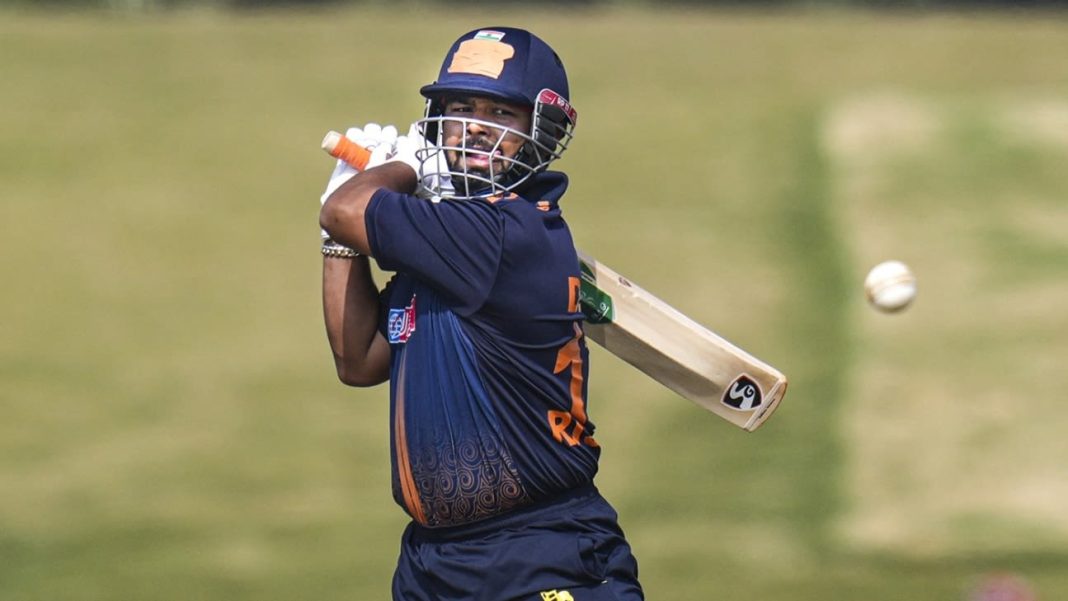
The cricketing world is abuzz with the news from the Board of Control for Cricket in India (BCCI) that dynamic wicketkeeper-batter Rishabh Pant has been ruled out of India’s upcoming One Day International (ODI) series against New Zealand. While the specific reasons for his exclusion remain under wraps, with the BCCI citing ‘rest and rehabilitation’ as the general umbrella, the decision immediately sparks debate and speculation regarding India’s white-ball strategy, player workload management, and the crucial search for a consistent wicketkeeper-batter ahead of major ICC tournaments.
Pant’s absence is a significant development, considering his pivotal role in India’s setup across formats. Known for his fearless hitting, game-changing abilities, and unique left-handed advantage, Pant has become an indispensable figure, particularly in the middle order. His unavailability for the New Zealand series opens a window of opportunity for other contenders to stake their claim and offers the team management a chance to test their bench strength against a formidable opponent.
A Strategic Pause for India’s Dynamic Southpaw
In an era of relentless international cricket, player workload management has become paramount for all major cricketing nations, and India is no exception. With a packed calendar featuring bilateral series, domestic tournaments, and the ever-present pressure of ICC events, ensuring the fitness and mental well-being of star players is a constant challenge. Rishabh Pant, given his multi-format commitments and explosive style of play, often finds himself at the heart of this discussion.
The decision to rest Pant, therefore, appears to be a calculated move rather than a forced one due to a serious injury. It aligns with the BCCI’s broader policy of rotating key players, especially those who feature prominently across Tests, ODIs, and T20Is. The aim is to keep them fresh and firing for critical assignments, preventing burnout and minor niggles from escalating into significant issues. While fans will undoubtedly miss his flamboyant presence behind the stumps and with the bat, this strategic pause could prove beneficial for Pant’s long-term sustainability and performance.
A source close to the BCCI, preferring anonymity, indicated, “It’s about managing key assets. Rishabh is vital for us across formats, and ensuring he remains fresh for crucial assignments is paramount. We have excellent depth, and this series offers a chance for others to step up and stake their claim.” This sentiment underscores the team management’s commitment to building a resilient squad capable of performing consistently without over-relying on individual stars for every single game.
The Race for the Gloves: Who Steps Up?
Pant’s absence immediately thrusts the spotlight onto the other contenders vying for the wicketkeeper-batter slot in India’s ODI setup. The primary candidates expected to be in contention for the gloves and a middle-order batting spot are KL Rahul, Sanju Samson, and Ishan Kishan.
KL Rahul, often seen as a multi-utility player, has previously donned the wicketkeeping gloves in ODIs and brings valuable experience, leadership qualities, and a solid batting technique. His recent form, however, has been a topic of much discussion, making this an important series for him to cement his place, perhaps as a middle-order batter who can also keep. The team management might view him as a versatile option who can slot in at various positions while providing a steady hand behind the stumps.
Sanju Samson, a fan favourite, offers an exciting blend of elegance and explosiveness. While his international career has been marked by sporadic opportunities, he has consistently showcased his immense talent in domestic cricket and the Indian Premier League (IPL). This series against New Zealand could provide Samson with a much-needed extended run to prove his consistency and establish himself as a reliable option in the ODI format.
Ishan Kishan, another dynamic left-handed wicketkeeper-batter, provides a similar attacking flair to Pant. His aggressive approach at the top of the order or in the middle can significantly accelerate the scoring rate. Kishan’s recent performances have been impressive, including a record-breaking double century in ODIs, making a strong case for his inclusion. His presence would ensure India retains a left-handed batting option in the middle order, maintaining balance in the lineup.
India’s White-Ball Vision: Navigating the Road Ahead
The New Zealand ODI series, even without Rishabh Pant, remains a critical fixture in India’s broader white-ball blueprint. With the ODI World Cup on the horizon, every series is an opportunity to fine-tune strategies, test combinations, and identify core players. Pant’s rest allows the management to assess the depth of their squad, particularly in a crucial position like wicketkeeper-batter.
The insights gained from this series will be invaluable. How do the alternative wicketkeeping options perform under pressure? What kind of batting balance does each choice offer? These are the questions the team management will be seeking answers to. The Indian team has historically benefited from a strong bench, and this series is another testament to the talent pool available in the country.
While Rishabh Pant’s absence will undoubtedly be felt, it simultaneously presents a compelling narrative for Indian cricket: the strength of its reserves and the strategic thinking behind player management. The focus will now shift to who rises to the occasion and makes the most of this significant opportunity against a strong New Zealand outfit.

