


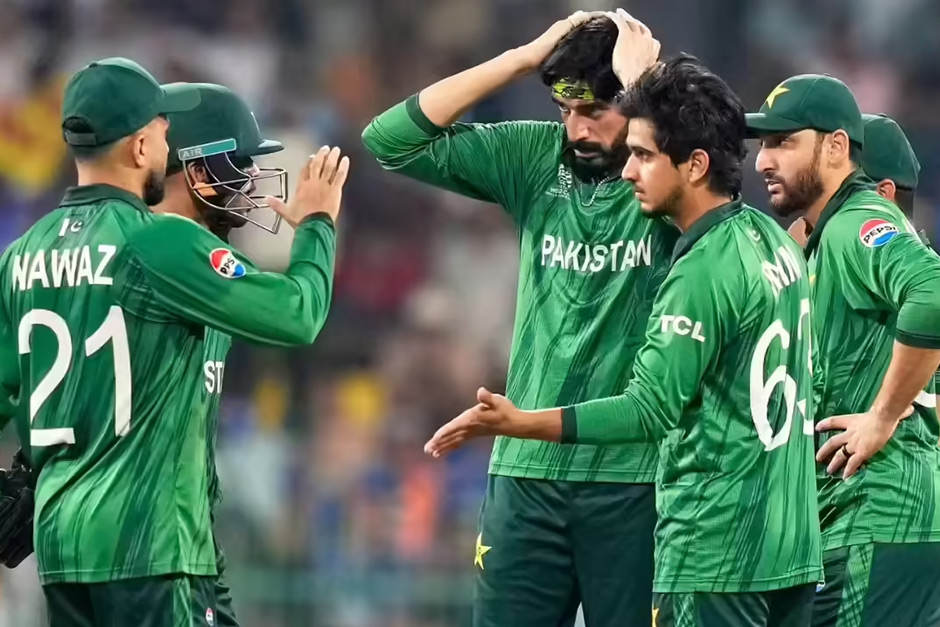
For decades, Pakistan cricket has captivated fans with its unpredictable genius. From the pace and swing of legends like Imran Khan and Wasim Akram to the audacious strokeplay of Inzamam-ul-Haq, raw talent has never been in short supply. Yet, the team’s chronic inconsistency and sudden collapses often lead to the same tired refrains: a lack of temperament, an inability to handle pressure, or a sudden dip in skill. While these observations might hold true in isolated instances, they merely scratch the surface of a much deeper malaise plaguing Pakistan cricket. The real issues run far beyond the boundary ropes, embedded within the very fabric of its cricketing ecosystem.
The Structural Rot Within the PCB
At the heart of Pakistan’s recurring cricketing woes lies the instability and political interference that have long characterised the Pakistan Cricket Board (PCB). Unlike other major cricketing nations where boards enjoy a degree of autonomy and consistent leadership, the PCB has been a revolving door of chairmen, often appointed based on political affiliation rather than cricketing acumen. This frequent leadership churn means policies are rarely given enough time to mature, long-term visions are consistently abandoned, and strategic planning becomes a futile exercise.
The impact on domestic cricket, the very bedrock of any strong international team, is particularly devastating. With inconsistent funding, poorly maintained infrastructure, and a lack of a clear, merit-based pathway for players, the domestic circuit struggles to produce a steady stream of hardened, well-rounded cricketers. Aspiring talents often find themselves navigating a system more focused on patronage than performance, leading to frustration and underdevelopment. Contrast this with India’s robust Ranji Trophy or England’s County Championship, which provide an enduring proving ground for future stars, and the chasm in foundational strength becomes starkly apparent.
A Culture of Insecurity and Short-Term Thinking
The instability at the administrative level inevitably trickles down to the players and coaching staff, fostering a pervasive culture of insecurity. Players are acutely aware that their spot in the national squad can be jeopardised by a single poor performance or a change in the PCB’s leadership. This constant pressure to perform or face the axe often leads to individualistic play, where personal milestones sometimes overshadow team objectives. The “temperamental” issues observed on the field are often symptoms of this underlying anxiety, a consequence of playing in an environment where job security is fragile.
Similarly, coaches and captains are rarely afforded the time and space to build a cohesive unit or implement long-term strategies. Their tenures are often short-lived, forcing them into a desperate pursuit of immediate results. This short-termism prevents the development of a distinct team philosophy or a consistent brand of cricket. As former Pakistan captain Rashid Latif once lamented, “We always talk about talent, but talent needs a system to flourish. Without a stable board and a consistent vision, our players will always struggle to reach their full potential, regardless of their natural ability.” This sentiment perfectly encapsulates the challenge: raw ability can only take a team so far without a robust support system.
Beyond the Boundary: Addressing the Root Causes
While Pakistan cricket continues to produce moments of individual brilliance, its collective struggles will persist until the deep-seated structural and cultural issues are addressed. It requires a fundamental overhaul of the PCB, shielding it from political interference and ensuring appointments are made purely on merit, with a commitment to long-term vision. Investing consistently in domestic cricket, creating transparent pathways for talent, and fostering an environment of security and stability for players and staff are crucial steps.
The challenges Pakistan cricket faces are not merely about a dropped catch or a missed run-out; they are systemic. Until the foundational pillars of administration, domestic structure, and player development are strengthened and made consistent, the nation’s immense cricketing talent will continue to flicker inconsistently, unable to sustain the kind of dominant, world-beating performances its fans so passionately desire and its history suggests it is capable of.

