


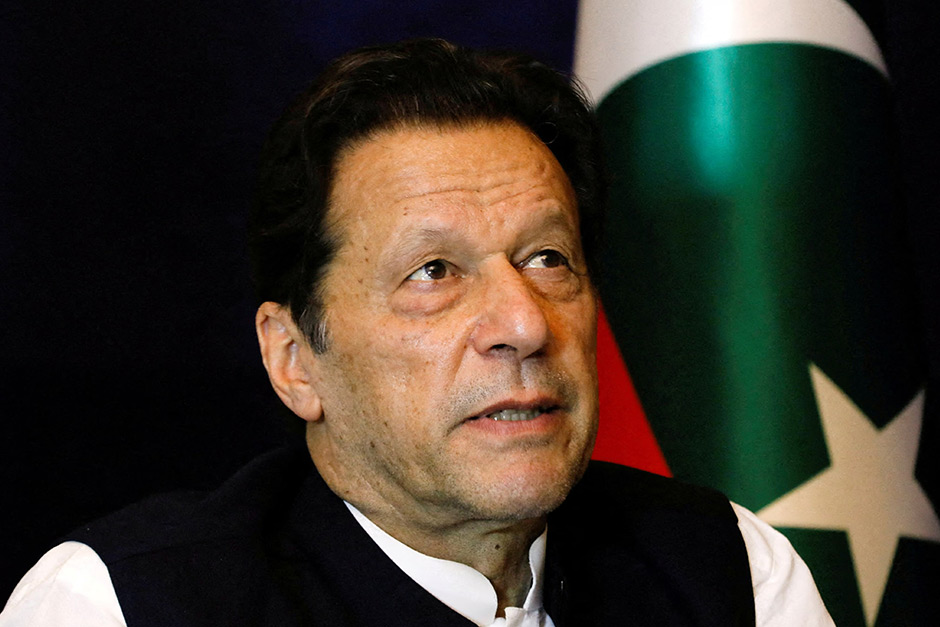
The health of former Pakistani Prime Minister Imran Khan, currently imprisoned in Adiala Jail, has become a significant point of concern, not just within Pakistan but also for observers in neighbouring India. Recent reports from his legal team and party representatives indicate a severe deterioration in his vision, with claims that Khan has been left with only 15% sight in his right eye. This development adds another layer to the already complex narrative surrounding his detention, raising questions about medical care for high-profile political prisoners and the broader implications for human rights in the region.
Allegations of Neglect and Deteriorating Health
Imran Khan, who was ousted from power in April 2022 through a no-confidence vote and subsequently incarcerated on various charges, including corruption and leaking state secrets, has consistently alleged unfair treatment and inadequate facilities during his imprisonment. The most recent and alarming claim concerns his vision. According to his lawyers, Khan has lost a substantial portion of his sight in his right eye, a condition they attribute to a lack of timely and appropriate medical attention while in custody.
The Pakistan Tehreek-e-Insaf (PTI) party, which Khan heads, has been vocal about their leader’s deteriorating health. They contend that despite repeated requests for specialized medical examinations and treatment, authorities have been slow to respond or have provided insufficient care. This alleged neglect has fueled accusations that Khan’s health is being deliberately compromised, a charge vehemently denied by the Pakistani government. The situation brings to light the intricate balance between national security concerns and the fundamental rights of prisoners, particularly those of significant political stature.
Sources close to the PTI suggest that Khan’s vision issues have worsened over several months, escalating to a point where daily activities are significantly impacted. These reports have not been independently verified by neutral medical boards or international organizations, relying primarily on statements from his legal counsel and family. However, the consistent nature of these reports underscores the growing unease regarding his well-being.
Wider Implications and Regional Scrutiny
The health status of a former head of government, especially one as popular and controversial as Imran Khan, inevitably draws attention beyond national borders. For India, a close neighbour with its own history of complex political dynamics and human rights discourse, such developments in Pakistan are watched with keen interest. The treatment of political prisoners, the transparency of judicial processes, and adherence to international human rights standards in Pakistan are factors that influence regional perceptions and stability.
The allegations surrounding Khan’s vision loss resonate with broader concerns about the treatment of political figures in custody across South Asia. Human rights organizations often highlight the importance of providing adequate medical care to all prisoners, irrespective of their political standing or the charges against them. Any perceived dereliction of this duty can lead to international criticism and calls for greater accountability. The PTI has explicitly framed Khan’s medical condition as a human rights issue, seeking intervention from international bodies.
Barrister Salman Safdar, one of Imran Khan’s legal representatives, recently stated, “The reports from medical personnel who have been allowed to examine him sporadically paint a concerning picture. His vision has been severely compromised, and the delay in providing comprehensive treatment is a grave injustice. We fear for his long-term health, and this directly impacts his ability to prepare for his numerous legal battles.” This sentiment underscores the direct link between his physical well-being and his capacity to mount a defense, adding a layer of legal challenge to his already precarious political position.
The implications extend beyond humanitarian concerns; a stable and healthy leadership in Pakistan is vital for regional peace and security, an aspect closely monitored by India. The ongoing political instability and the circumstances surrounding Khan’s detention, now compounded by serious health concerns, contribute to an environment of uncertainty that can have broader geopolitical ramifications. India’s official stance remains one of non-interference in Pakistan’s internal affairs, yet the humanitarian aspect of such a prominent figure’s health cannot be entirely overlooked by regional observers.
Conclusion: An Unfolding Narrative
The news of Imran Khan’s significantly impaired vision adds a critical dimension to his ongoing imprisonment and legal struggles. While independent verification of the full extent of his health issues remains challenging, the consistent reports from his legal team and party warrant serious attention. This situation serves as a stark reminder of the global discourse surrounding human rights in detention and the specific challenges faced by high-profile political prisoners.
As Pakistan navigates its complex political landscape, the well-being of its former leader will continue to be a focal point of discussion, both domestically and internationally. For India and the wider South Asian region, the episode underscores the delicate balance between state authority and individual rights, reminding all stakeholders of the enduring importance of transparency, due process, and humanitarian treatment for all individuals, regardless of their political stature.
*

