


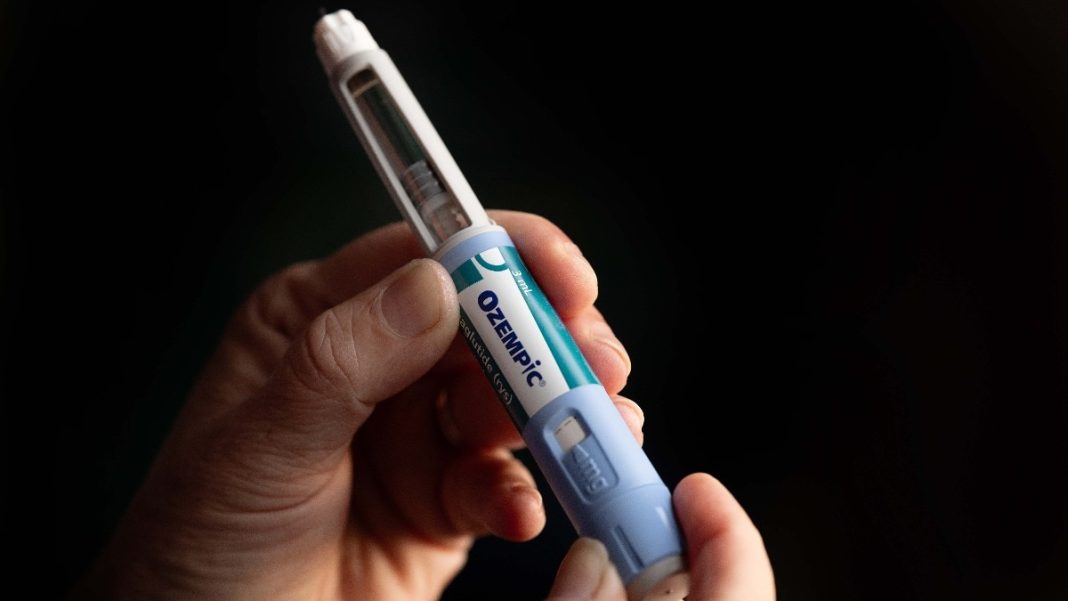
In a significant development for diabetes management in India, Novo Nordisk has officially launched Ozempic (semaglutide) in the country. This eagerly anticipated introduction marks a pivotal moment for patients and healthcare providers, as the Danish pharmaceutical giant sharpens its focus on the burgeoning market for Glucagon-Like Peptide-1 (GLP-1) receptor agonists. The move underscores Novo Nordisk’s strategic commitment to addressing India’s substantial diabetes burden with advanced therapeutic options.
Ozempic and the Promise of GLP-1 Agonists
Ozempic, with its active ingredient semaglutide, belongs to a class of medications known as GLP-1 receptor agonists. These drugs work by mimicking the action of the natural GLP-1 hormone, which is involved in regulating blood sugar levels. Upon administration, semaglutide stimulates insulin release when blood glucose levels are high, suppresses glucagon secretion, and slows gastric emptying, leading to improved glycemic control. Beyond its primary role in managing Type 2 diabetes, GLP-1 agonists like semaglutide have garnered significant attention for their beneficial secondary effects, particularly weight reduction and a demonstrated reduction in the risk of major adverse cardiovascular events (MACE) in patients with established cardiovascular disease.
Prior to its Indian debut, Ozempic has been a cornerstone of diabetes treatment in many parts of the world, recognized for its efficacy and once-weekly dosing regimen, which can significantly enhance patient adherence. Its arrival in India provides endocrinologists and diabetologists with a new powerful tool in their armamentarium, offering a comprehensive approach to managing a complex metabolic disorder that often coexists with obesity and cardiovascular risks.
India’s Diabetes Landscape: A Critical Need
India is often referred to as the “diabetes capital of the world,” facing an alarming and rapidly escalating epidemic of Type 2 diabetes. According to the Indian Council of Medical Research (ICMR), the country is home to over 101 million people living with diabetes, with an additional 136 million pre-diabetic individuals. This staggering prevalence is compounded by a high incidence of obesity and cardiovascular complications, making the need for innovative and effective treatment strategies more urgent than ever. Traditional therapies, while foundational, often fall short in providing comprehensive benefits, particularly in managing weight and mitigating cardiovascular risks.
The launch of Ozempic is thus timely, addressing a significant unmet medical need. For a population grappling with lifestyle-related diseases, a medication that not only controls blood sugar but also aids in weight management and offers cardiovascular protection presents a multifaceted advantage. However, accessibility and affordability will be crucial factors in ensuring its broader impact across India’s diverse socio-economic strata.
“The introduction of semaglutide in India marks a transformative moment in our fight against Type 2 diabetes,” stated Dr. Vivek Gupta, a renowned endocrinologist based in Mumbai. “For years, we’ve seen the struggle of patients with uncontrolled blood sugar, coupled with obesity and cardiovascular comorbidities. Ozempic offers a holistic therapeutic approach that was previously less accessible, providing hope for better outcomes and a significant improvement in quality of life for millions of Indians.”
Novo Nordisk’s Sharpened GLP-1 Strategy in India
The launch of Ozempic in India is not an isolated event but rather a strategic expansion of Novo Nordisk’s global GLP-1 leadership. The company has been at the forefront of developing GLP-1 receptor agonists, with a portfolio that includes other notable drugs like Rybelsus (oral semaglutide) and Wegovy (higher-dose semaglutide specifically for weight management). While Wegovy is not yet available in India, the introduction of Ozempic lays the groundwork for potentially broader access to advanced GLP-1 therapies in the future.
Novo Nordisk’s commitment to India extends beyond product launches; it involves investments in clinical research, patient awareness programs, and physician education to ensure optimal utilization of these advanced medications. The company aims to leverage its deep expertise in diabetes care to make a tangible difference in the lives of Indian patients, positioning itself as a key partner in addressing the nation’s public health challenges.
Conclusion
The launch of Ozempic in India represents a significant stride forward in the management of Type 2 diabetes. With its proven efficacy in glycemic control, weight reduction, and cardiovascular risk mitigation, semaglutide offers a potent new option for a country grappling with an immense diabetes burden. As Novo Nordisk continues to strengthen its GLP-1 push, the landscape of diabetes care in India is poised for a transformative shift, bringing advanced global therapies closer to those who need them most.

