


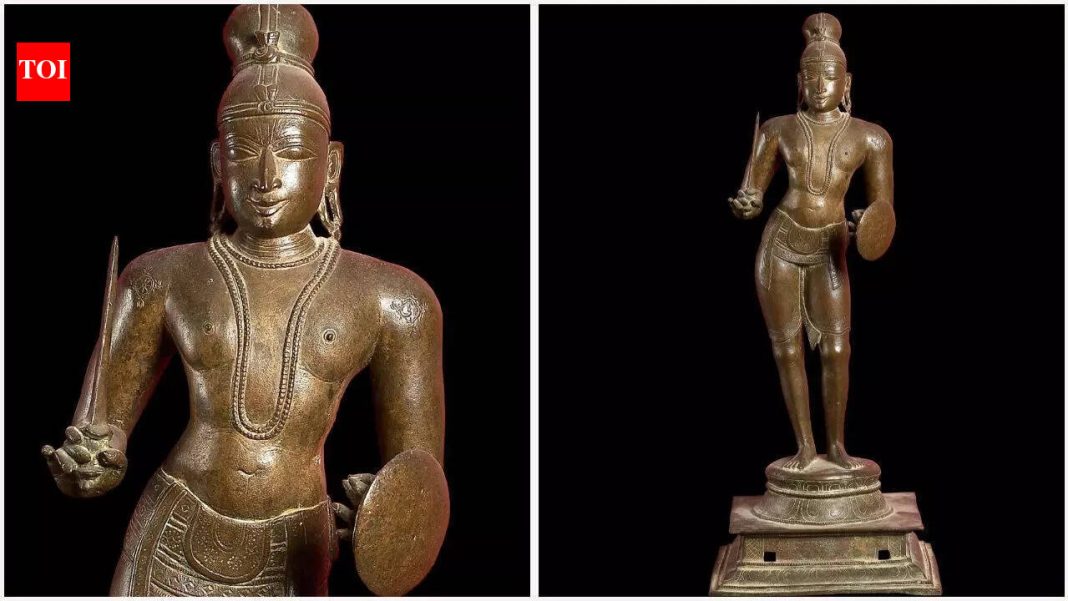
Oxford, UK – In a landmark decision poised to reshape cultural heritage discourse, the Ashmolean Museum at the University of Oxford is set to repatriate approximately 500 artifacts to India. This significant move, stemming from a newly formalized Memorandum of Understanding (MOU) with the Indian government, marks a pivotal moment in the global conversation surrounding the restitution of colonial-era acquisitions and underscores a growing commitment to ethical museum practices.
For India, a nation with a rich and often plundered history, this development represents a profound victory in its sustained efforts to reclaim its heritage. The return of these artifacts, which span centuries and include a diverse range of objects from ancient coins and intricately carved sculptures to delicate terracottas, is not merely a logistical transfer but a symbolic healing of historical wounds and a reaffirmation of India’s cultural sovereignty.
A Collaborative Path to Repatriation
The decision by the Ashmolean Museum, one of the world’s oldest public museums, to proactively engage in such extensive repatriation efforts is notable for its collaborative spirit. Unlike many previous cases which have often involved contentious legal battles or prolonged negotiations, this return is a result of a mutual agreement. The MOU establishes a framework for ongoing cooperation, indicating a potential blueprint for future partnerships between international institutions and nations seeking to reclaim their heritage.
The artifacts destined for India are not limited to a single period or region, reflecting the vast historical landscape of the subcontinent. Among them are numerous coins, some dating back to ancient kingdoms, which offer invaluable insights into economic and political histories. Also included are various sculptures and bronze figures, many of which likely held religious or cultural significance within their original contexts. Terracotta items, everyday objects as well as artistic representations, further enrich the collection, providing a tangible link to the daily lives and artistic expressions of past Indian civilizations.
The process of identifying, cataloguing, and preparing these items for return has been a meticulous undertaking, involving extensive research and expertise from both sides. This diligence ensures that the artifacts are returned to their rightful home with proper documentation and care, ready to be integrated into India’s national collections, where they can be accessed and appreciated by the Indian public and scholars alike. This collaborative approach highlights a shift from adversarial discussions to a more constructive dialogue centered on shared cultural understanding and respect.
India’s Enduring Quest for Heritage Reclamation
India’s pursuit of repatriating its cultural heritage is a long-standing and deeply emotional endeavour, deeply rooted in its colonial past. During British rule and even in the post-independence era, countless artifacts were taken from the country through various means, including official expeditions, illicit trade, and often, outright looting. These objects now reside in museums and private collections across the globe, telling fragmented stories of a glorious past severed from its original context.
The Ministry of Culture and the Archaeological Survey of India (ASI) have been at the forefront of these efforts, leveraging diplomatic channels, legal frameworks, and international conventions like the UNESCO 1970 Convention on the Means of Prohibiting and Preventing the Illicit Import, Export and Transfer of Ownership of Cultural Property. While successful repatriations have occurred incrementally over the years, often involving individual pieces or smaller collections, the Ashmolean’s decision to return such a substantial number of items in one go marks a significant acceleration of this process.
This event resonates deeply within India, where there is a strong public sentiment for the return of cultural property. For many, these artifacts are not merely museum pieces but vital threads in the fabric of national identity and memory. Their return is seen as a restoration of dignity and a tangible acknowledgment of historical injustices. It reinforces the idea that cultural heritage belongs to the communities from which it originated, serving as a powerful reminder of their historical continuity and artistic legacy.
As a cultural heritage expert recently commented, “This is more than just objects changing hands; it’s about repairing historical narratives and fostering a global environment where cultural treasures are recognized as vital components of national identity, not mere collectibles for foreign display.”
A Precedent for Global Museums?
The Ashmolean’s proactive gesture has far-reaching implications, potentially setting a significant precedent for other international museums housing extensive collections of artifacts from former colonies. It encourages a broader reassessment of museum acquisition policies, particularly those related to objects acquired during periods of colonial dominance or political instability. The collaborative spirit demonstrated in this MOU suggests a shift towards partnerships based on mutual respect rather than possessiveness.
For TrendLyric.com readers in India, this news is a source of immense pride and optimism. It signifies a tangible step towards the rightful return of heritage that connects modern India to its ancient roots. It also highlights India’s growing influence on the global stage, where its calls for cultural restitution are increasingly being heard and acted upon. This development not only enriches India’s cultural institutions but also contributes to a more equitable and ethical global approach to cultural heritage management.
As these 500 artifacts prepare for their journey home, they carry with them not just historical weight, but also the promise of a future where cultural heritage is celebrated in its rightful context, fostering deeper understanding and respect between nations.

