


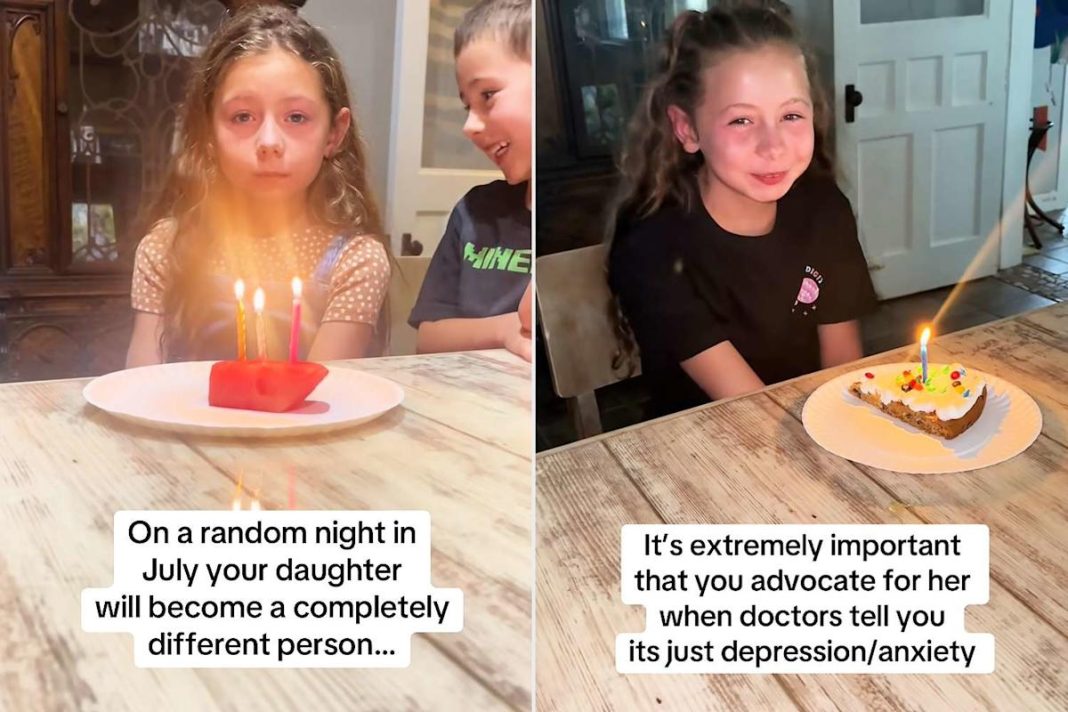
One minute, she was our vibrant, giggling nine-year-old, a whirlwind of energy and infectious optimism. The next, it felt like a switch flipped. Our daughter, Maya, transformed overnight from a sweet, outgoing child into a whirlwind of anger, anxiety, and obsessive behaviors we simply couldn’t comprehend. It was terrifying, heartbreaking, and utterly baffling. This wasn’t a gradual shift; it was an abrupt, stark change that left us reeling, wondering who this unrecognizable child was.
From Sunshine to Storm Clouds
Maya had always been the kind of kid who lit up a room. She loved school, adored her friends, and spent hours drawing fantastical creatures. Then, seemingly out of nowhere, the light in her eyes dimmed. It started subtly – a sudden outburst over a misplaced toy, an intense fear of germs she hadn’t shown before. Within days, it escalated dramatically. She became defiant, throwing tantrums reminiscent of a toddler, screaming obscenities, and hitting her younger brother. Her once neat handwriting turned into an anxious scribble, and her appetite vanished, replaced by an irrational fear of certain foods.
We saw paranoia, too. She’d accuse us of poisoning her food or conspiring against her. Her sleep was fractured by night terrors, and she developed severe separation anxiety, refusing to let me out of her sight. School, once her sanctuary, became a battlefield she dreaded daily. Her teachers, just as bewildered as we were, reported an inability to focus, uncontrollable outbursts, and a complete withdrawal from her peers. Our happy home was now constantly on edge, tip-toeing around a child we loved fiercely but barely recognized.
A Desperate Search for Answers
Panic set in. We cycled through pediatricians, child psychologists, and therapists, each visit offering little more than sympathetic nods and suggestions for “behavioral modification” or “stress reduction.” We felt dismissed, as if we were exaggerating or simply failing as parents. But we knew this wasn’t just a phase; it was too sudden, too extreme. We started keeping detailed logs of her symptoms, searching online for anything that remotely matched Maya’s bizarre, debilitating changes. We felt like detectives, piecing together a medical mystery.
The emotional toll on our family was immense. My husband and I argued more, exhausted and frustrated. Maya’s brother was scared and confused. We felt isolated, ashamed, and utterly alone in our struggle. “It’s easy to dismiss these intense, sudden shifts as ‘just pre-teen hormones’ or ‘attention-seeking,’ but when a child’s personality flips that dramatically and rapidly, parents need to trust their gut that something more is at play,” shared Sarah Jenkins, a mother who experienced a similar journey with her son. Her words resonated deeply with our own conviction that this was beyond typical childhood behavior.
The Unthinkable Diagnosis and a Glimmer of Hope
After months of dead ends, countless blood tests, and even an MRI, we finally found a pediatric neurologist who specialized in complex cases. She listened intently, asked specific questions about the sudden onset, and looked at our meticulously kept symptom log. Her expression shifted. She ordered specialized blood work, and a few weeks later, the call came that changed everything: Maya had PANDAS (Pediatric Autoimmune Neuropsychiatric Disorders Associated with Streptococcal Infections).
The diagnosis was shocking, yet also a profound relief. It wasn’t a psychological breakdown; it was her immune system attacking her brain after an untreated strep infection. The bacteria weren’t there anymore, but her body had gone haywire, causing severe inflammation in brain regions responsible for mood, behavior, and movement. Finally, we had an explanation. More importantly, we had a path forward.
Treatment involved antibiotics, anti-inflammatory medications, and eventually, immune therapies. The journey was long and arduous, with good days and painful relapses. But slowly, painstakingly, we began to see glimpses of our old Maya. Her giggles returned, her anger subsided, and the fear began to recede. It taught us to advocate fiercely for our children, to trust our parental instincts, and to never give up hope, even when the answers seem impossible to find.

