


Quick Summary
Humans are incredibly adaptable! New research reveals how our ancestors conquered Earth’s toughest environments, developing unique physiological traits like spending hours underwater.
What Happened
Consider the Bajau people, ‘Sea Nomads,’ who’ve genetically evolved larger spleens. This boosts their body’s oxygen reserves, enabling them to dive for extended periods. Some individuals potentially spend “4 or 5 hours per day underwater” foraging.
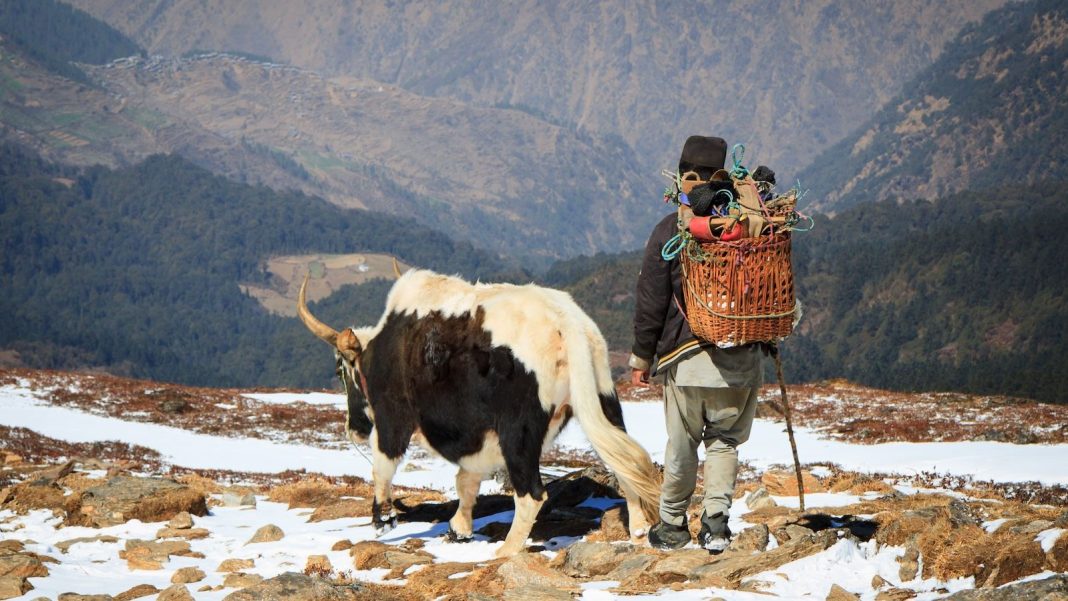
Similar genetic adaptations help populations thrive in extreme cold or high altitudes. These aren’t just learned skills; they’re literally built into our DNA.
“It’s a testament to the sheer resilience of the human body,” remarked one expert, highlighting these incredible insights.
Why It Matters
These findings profoundly advance our understanding of human evolution and species plasticity. They demonstrate how environmental pressures drive specific biological changes, showcasing humanity’s incredible capacity to adapt and thrive.
Bottom Line
From deep-sea foraging to icy landscapes, our story is one of profound adaptation. Our ancestors’ ability to evolve in the face of environmental challenges is a cornerstone of human success.

