


In the vibrant tapestry of India, where families are often the bedrock of support, the health of our elders, and indeed our entire community, is paramount. Yet, a silent epidemic often goes unnoticed, subtly weakening the very framework that supports us: our bones. Osteoporosis, a condition that makes bones brittle and prone to fractures, is a growing public health concern in India, impacting millions, often without them knowing until it’s too late. Understanding this ‘silent thief’ is the first step towards safeguarding bone health across all ages.
Understanding the Silent Thief: What is Osteoporosis?
Osteoporosis literally means “porous bone.” It’s a condition where the body loses too much bone, makes too little bone, or both, leading to bones becoming weak and susceptible to fractures from a minor fall or, in severe cases, even from a simple cough. Unlike a broken arm from an accident, osteoporotic fractures often occur with minimal trauma, signifying an underlying fragility.
Our bones are living tissues, constantly undergoing a process called remodeling, where old bone is removed and new bone is formed. In our youth, new bone formation outpaces removal, leading to peak bone mass. However, typically after the age of 30-35, this balance shifts. With osteoporosis, the rate of bone loss significantly exceeds bone formation, resulting in diminished bone density and structural integrity. The insidious nature of osteoporosis lies in its lack of obvious symptoms. There’s usually no pain or discomfort until a fracture occurs, earning it the moniker of a “silent disease.” Common fracture sites include the hip, spine, and wrist, with spinal compression fractures often leading to loss of height and a stooped posture.
Who is at Risk? Identifying Key Factors in India
While osteoporosis can affect anyone, certain factors significantly increase an individual’s risk. Awareness of these can prompt earlier screening and preventative measures, particularly crucial in the Indian context.
Unchangeable Risks:
- Age: Bone density naturally decreases with age. Post-menopausal women are at a significantly higher risk due to a sharp decline in estrogen, a hormone vital for bone maintenance. However, men are also susceptible, particularly after age 70.
- Gender: Women are four times more likely to develop osteoporosis than men.
- Family History: If a parent or sibling has had osteoporosis or a hip fracture, your risk increases.
- Body Frame: Petite and thin individuals tend to have less bone mass to begin with.
- Ethnicity: Individuals of Asian and Caucasian descent are generally at higher risk.
Lifestyle & Controllable Risks:
- Dietary Deficiencies:
Insufficient intake of calcium and Vitamin D is a major contributor. Despite abundant sunlight, Vitamin D deficiency is surprisingly prevalent in India due to factors like less outdoor activity, heavy clothing, and air pollution. Many traditional Indian diets may also lack adequate calcium sources if dairy intake is low.
- Sedentary Lifestyle: Lack of weight-bearing exercise (like walking, running, dancing, or stair climbing) weakens bones.
- Smoking and Alcohol: Tobacco use and excessive alcohol consumption have been directly linked to weaker bones.
- Certain Medical Conditions: Conditions like rheumatoid arthritis, celiac disease, inflammatory bowel disease, thyroid disorders, and some cancers can increase osteoporosis risk.
- Medications: Long-term use of certain medications, such as corticosteroids (often used for asthma, arthritis, and autoimmune diseases), proton pump inhibitors, and some anti-seizure drugs, can negatively impact bone health.
Dr. Priya Sharma, a leading endocrinologist in Bengaluru, emphasizes, “Many Indians, especially women, overlook bone health until a fracture happens. It’s not just a disease of old age; the foundations for strong bones are laid in youth. We need a paradigm shift from treatment to prevention, focusing on diet, exercise, and early screening for those at risk.”
Prevention and Management: Taking Charge of Bone Health
The good news is that osteoporosis is largely preventable and manageable. Taking proactive steps can significantly reduce your risk and improve your quality of life.
Dietary Foundations:
Ensure your diet is rich in calcium and Vitamin D. Good sources of calcium in the Indian diet include dairy products (milk, paneer, curd), leafy green vegetables (spinach, mustard greens), ragi (finger millet), fortified foods, and certain pulses. For Vitamin D, aim for sensible sun exposure (e.g., 10-15 minutes, two to three times a week, during non-peak hours like early morning or late afternoon). Dietary sources include fatty fish, egg yolks, and fortified milk or cereals. Supplements may be necessary, especially for those with diagnosed deficiencies, but always consult a doctor.
Active Lifestyle:
Incorporate regular weight-bearing exercises and strength training into your routine. Activities like walking, jogging, dancing, climbing stairs, and yoga help build and maintain bone density. Resistance training with weights or bodyweight exercises strengthens muscles, which in turn supports bones. Balance exercises, such as Tai Chi, are also crucial, especially for older adults, to reduce the risk of falls.
Medical Interventions & Screening:
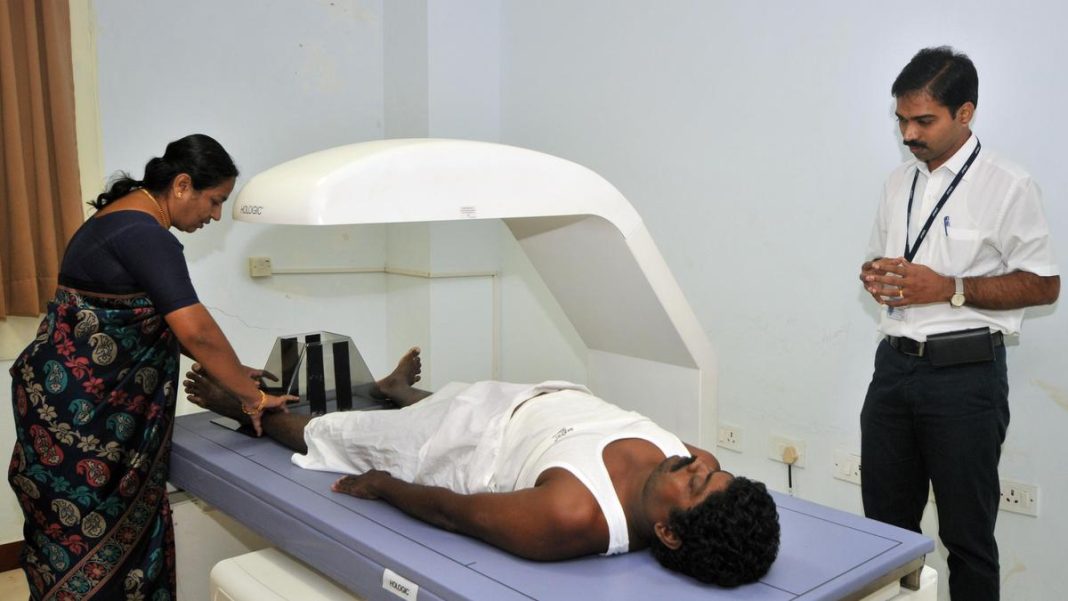
If you have risk factors, talk to your doctor about a bone mineral density (BMD) test, typically done using a DEXA scan. This non-invasive scan can diagnose osteoporosis or osteopenia (low bone mass) before a fracture occurs. Depending on the diagnosis, your doctor may recommend lifestyle modifications, calcium and Vitamin D supplements, or prescription medications to slow bone loss and even build new bone. Regular health check-ups are vital, especially for post-menopausal women and men over 65.
Osteoporosis is not an inevitable part of aging. By understanding its causes, identifying risk factors, and adopting a proactive approach to bone health through diet, exercise, and timely medical advice, we can build a stronger, healthier future for ourselves and our communities. Let’s talk about our bones, nurture them, and prevent the silent thief from stealing our strength and independence.

