


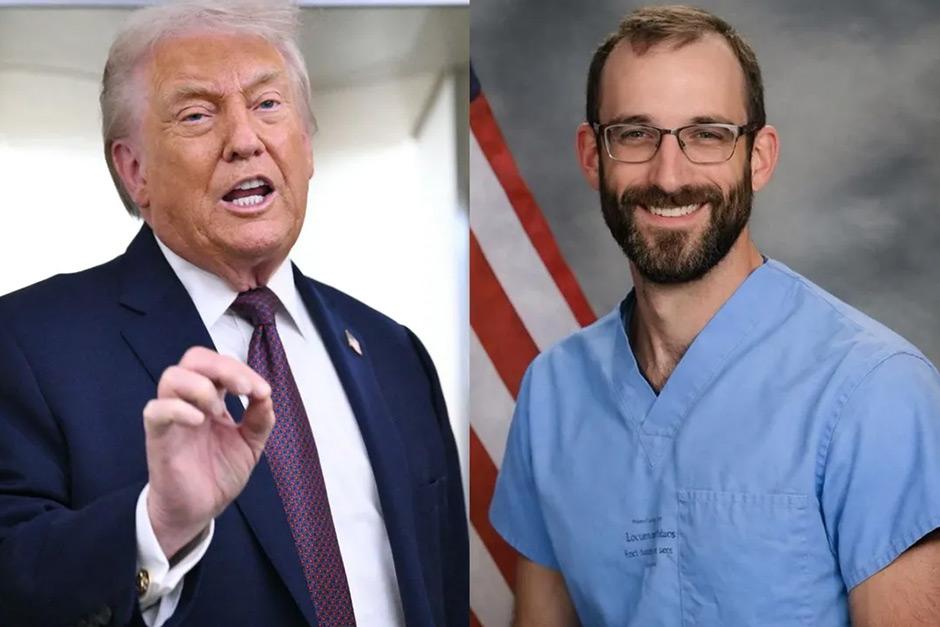
The news of Alex Pretti’s unjust killing has landed like a punch to the gut for many across the nation. It’s more than just another tragic headline; it feels like a raw nerve, exposed for all to see. In a political landscape already fractured and volatile, this incident isn’t just a ripple – it’s a wave, one that could fundamentally alter the course of upcoming electoral battles, especially for a figure like Donald Trump aiming for a second term.
The Echo of Injustice: How Pretti’s Death Resonates
There are moments in history when an individual tragedy transcends its immediate sorrow and becomes a symbol, a flashpoint for broader societal frustrations. Alex Pretti’s death appears to be one such moment. It speaks to a deep-seated anxiety about accountability, about the perceived integrity of institutions, and about who is truly protected under the law. The immediate outcry isn’t confined to a single demographic or political leaning; it’s a widespread sense of disbelief and outrage that cuts across the usual divides. When an event feels so profoundly wrong, it shakes the public’s faith in the established order.
This isn’t just about policy or legislation; it’s about a visceral feeling of betrayal and vulnerability. People are asking fundamental questions about power, justice, and protection. This emotional resonance is precisely what makes it a potent force in the political arena. It creates a vacuum of trust that different political narratives will rush to fill, each offering their own explanation and solution.
A Crucible for the “Strong Man” Narrative
Enter Donald Trump. His political identity has always been deeply intertwined with the idea of challenging the establishment, of being an outsider who alone can fix a “rigged” system. Pretti’s killing, perceived by many as a grievous injustice stemming from systemic flaws, provides a powerful, ready-made canvas for this narrative. Trump’s rhetoric thrives on moments of public discontent, on the feeling that traditional institutions have failed the common person.
Consider his consistent emphasis on “law and order,” but always with the caveat that he is the one who will ensure it’s applied fairly, or that corrupt elements within the system need to be rooted out. Alex Pretti’s case becomes a stark, undeniable example of what many of his supporters believe is fundamentally broken. It allows him to portray himself not just as a leader, but as the only leader willing and capable of confronting these deep-seated issues head-on. As one veteran political strategist, Eleanor Vance, recently observed, “This incident isn’t just a news story; it’s a direct feed into Trump’s core message. It strengthens his argument that only a radical shift can correct what he calls systemic rot, making his return appear not just desirable, but necessary, to a certain segment of the electorate.”
The Shifting Political Thermometer
The long-term impact of Pretti’s unjust killing on Trump’s second term prospects cannot be overstated. It’s not simply another talking point; it’s something that could fundamentally alter the political temperature. For voters disillusioned with the status quo, or those already primed to distrust mainstream institutions, this incident offers compelling validation for their concerns. It could galvanize support, not necessarily out of ideological alignment, but out of a shared sense of outrage and a yearning for drastic change.
The narrative isn’t just about what happened to Alex Pretti; it’s about what it signifies for the nation’s soul. It raises questions about who is truly safe, who is truly accountable, and whether the system can ever be truly just. In this emotionally charged environment, a leader who promises decisive action and a dramatic upheaval of the established order finds fertile ground. This tragedy has the potential to become a defining issue, shaping public discourse and influencing electoral decisions in ways that few other recent events have.
The unjust killing of Alex Pretti isn’t just a personal tragedy; it’s a profound political earthquake. It has laid bare anxieties about justice and accountability that resonate deeply with a broad swathe of the populace. For Donald Trump, whose political brand is built on challenging the very institutions now under scrutiny, this incident may prove to be a powerful catalyst. It could significantly reshape the political landscape, lending new weight and urgency to his campaign, and potentially becoming a true game-changer in his quest for a second term.

