


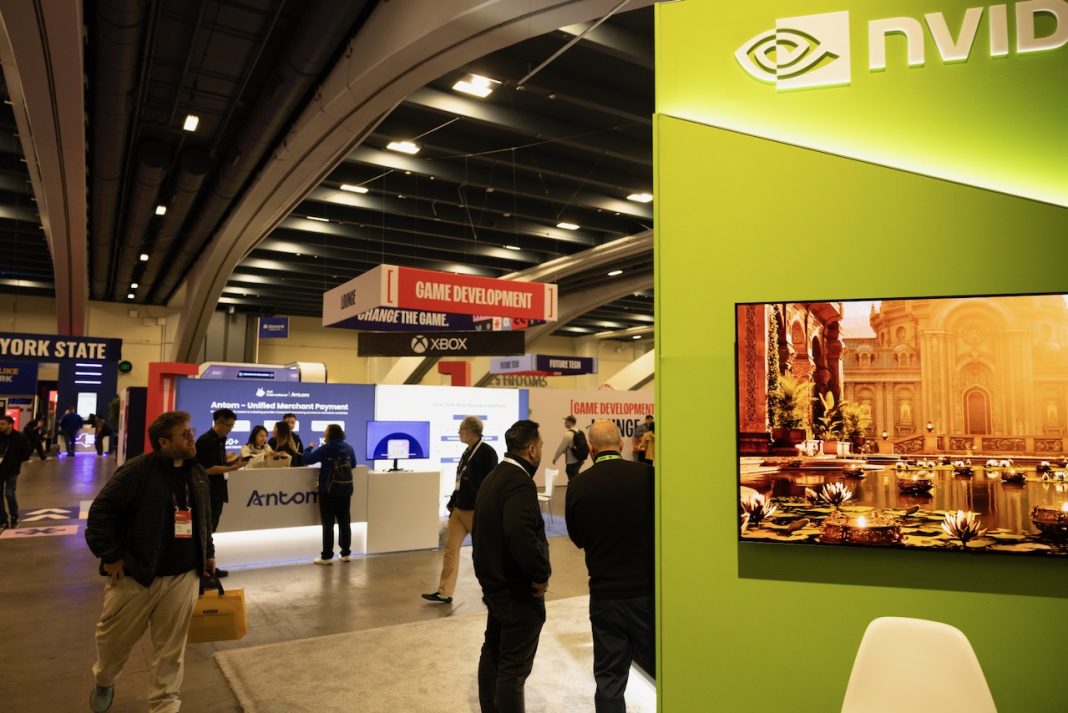
The buzz surrounding San Francisco’s tech conferences has always been a reliable barometer for the industry’s health. So, when one of the city’s biggest annual tech gatherings recently reported a staggering 30% drop in attendance, it sent ripples of curiosity and concern across the ecosystem. This isn’t just a blip; it’s a significant downturn that prompts a closer look at what’s really happening in the heart of the tech world. Is it a sign of economic tightening, a re-evaluation of the conference model, or something more fundamental?
Economic Headwinds and Shifting Priorities
The immediate and most obvious suspect for the attendance slump is the current economic climate. The tech industry, after years of seemingly boundless growth, has been navigating a period of significant recalibration. Layoffs, venture capital slowdowns, and a renewed emphasis on profitability over hyper-growth have prompted companies to scrutinize every expenditure, especially discretionary ones like conference travel and tickets.
Attending a major tech conference involves not just the ticket price, which can run into the thousands, but also flights, accommodation, and dining in one of the most expensive cities globally. For many organizations, particularly those tightening their belts, the cost-benefit analysis of sending multiple team members to a week-long event simply isn’t adding up like it used to. Companies are prioritizing core operations, and professional development budgets are often among the first to see cuts.
The Evolving Value Proposition of Conferences
Beyond the economic pinch, there’s a deeper conversation brewing about the very nature and value of large-scale tech conferences in an increasingly digital world. The pandemic accelerated a shift towards virtual and hybrid events, proving that knowledge sharing and networking can happen without physical presence. While many craved the return to in-person connection, the bar for what constitutes a truly valuable face-to-face experience has arguably been raised.
Attendees are no longer satisfied with generic keynotes and crowded exhibition floors. They’re seeking genuine, actionable insights, unique networking opportunities, and a tangible return on their significant investment of time and money. “The days of simply showing up to a tech conference are over,” observed a long-time industry analyst. “Attendees and their companies are demanding clear ROI, deeper engagement, and unique experiences that simply can’t be replicated online or in smaller, local meetups.” If a conference doesn’t offer something truly compelling and unique, many are choosing to save their resources.
San Francisco’s Unique Challenges
It would be remiss not to consider San Francisco’s specific role in this equation. While undeniably an innovation hub, the city faces its own set of challenges that could be contributing to the decline in appeal for large events. High costs, public safety concerns, and the overall perception of the city have been frequent talking points. While these issues are complex and multifaceted, they add another layer of consideration for event organizers and potential attendees weighing their options.
For some, the logistical hurdles and expenses associated with San Francisco might outweigh the intrinsic pull of being at the epicenter of tech. Other cities are actively vying for these large events, often offering more favorable conditions and competitive pricing. The magic of San Francisco as the place to be for tech events is being tested.
Looking Ahead: A New Chapter for Tech Gatherings?
The 30% attendance drop is more than just a statistic; it’s a signal. It suggests that the tech conference landscape is undergoing a significant transformation. Organizers will need to innovate, demonstrating clear value, fostering genuine connection, and perhaps rethinking pricing structures or even the very format of these large-scale gatherings. The era of “build it and they will come” might be fading, replaced by an urgent need for relevance, accessibility, and undeniable value in a rapidly evolving industry.
What emerges from this re-evaluation could be a new, more focused, and perhaps more impactful generation of tech events. The industry is always adapting, and its conferences must too.

